Introduction
The smartphone in your pocket is the result of more than a century of innovation, investment, and economic transformation. Understanding how the idea of phones began is not just a story about technology—it is also a powerful lesson in long-term investing, capital allocation, financial markets, and passive income opportunities created by technological revolutions.
This article explores the origins of phones from an economic and financial perspective. You will learn:
- How early phone inventions emerged from market needs
- The role of investors, patents, and infrastructure spending
- How phones reshaped global financial markets and personal finance
- Why communication technology has been one of the most profitable long-term investment themes
Whether you are a beginner or an experienced investor, this historical lens provides valuable insight into how innovation creates wealth over time.
Table of Contents
The Economic Problem That Created the Phone
Communication Before Phones: A Market Inefficiency
Before phones, long-distance communication relied on:
- Physical messengers
- Postal services
- Telegraph systems (text-only, limited speed)
From an economic standpoint, this created:
- High transaction costs
- Delayed decision-making
- Reduced productivity for businesses and governments
As economists often say, “Markets reward technologies that reduce friction.” The phone was designed to eliminate friction in communication.
The Birth of the Phone Idea
Alexander Graham Bell and Commercial Incentives
The idea of transmitting voice electrically emerged in the mid-19th century. Alexander Graham Bell, often credited with inventing the telephone in 1876, was motivated not just by science, but by commercial potential.
Bell himself stated:
“The most successful men in the end are those whose success is the result of steady accretion.”
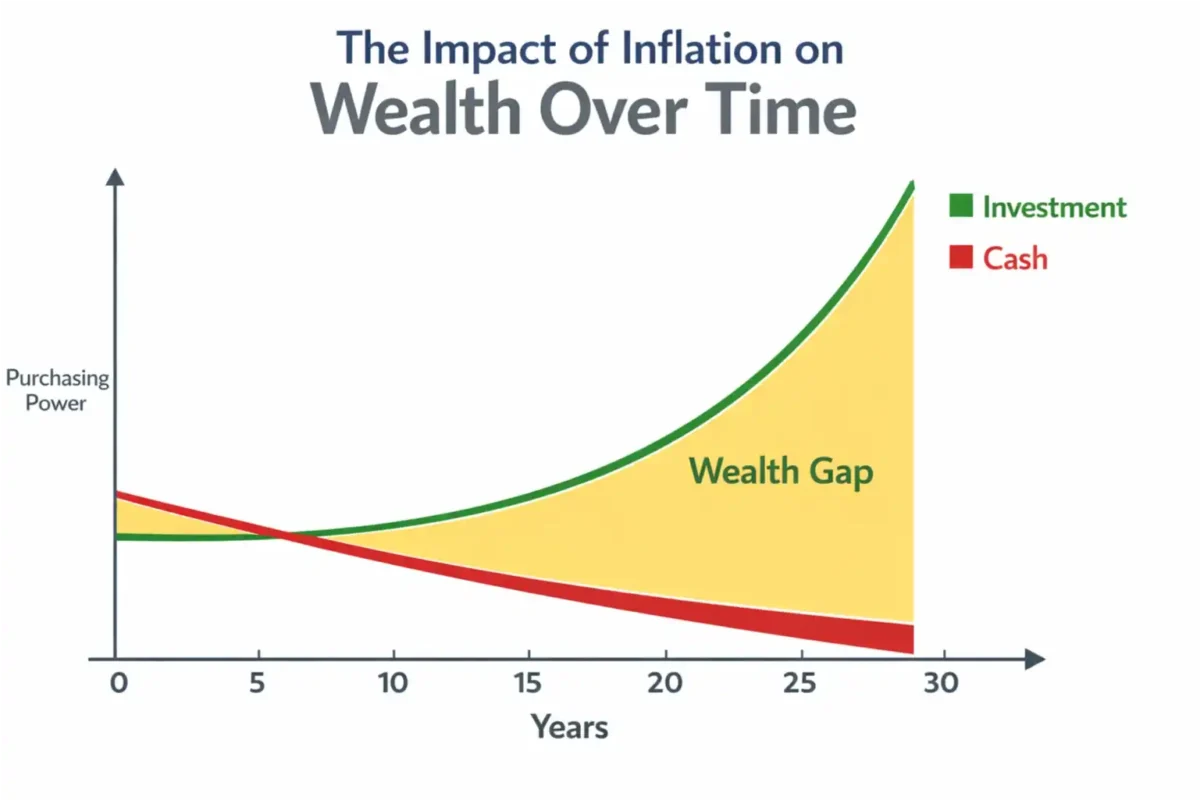
This principle applies directly to early phone adoption: slow at first, exponential later.
Early Financial Backing
Bell’s invention gained traction because:
- Investors funded research and patent protection
- Telephone companies formed monopolistic networks
- Governments granted licenses and legal frameworks
This combination of innovation + capital + regulation laid the foundation for massive long-term returns.
Phones as an Infrastructure Investment
Building the First Networks
Early phone systems required:
- Physical wiring across cities
- Switchboards and operators
- Maintenance and training labor
This turned phones into a capital-intensive infrastructure project, similar to railroads or electricity.
Economic Characteristics:
- High upfront costs
- Strong network effects
- Increasing returns to scale
As usage increased, the value of the network grew exponentially—a classic example of positive feedback loops in markets.
Phones and Financial Markets
Creation of Telecom Giants
The phone industry gave rise to some of the most influential corporations in history, including:
- AT&T
- Bell System subsidiaries
- Later global telecom firms
These companies:
- Became blue-chip stocks
- Paid consistent dividends
- Attracted long-term institutional investors
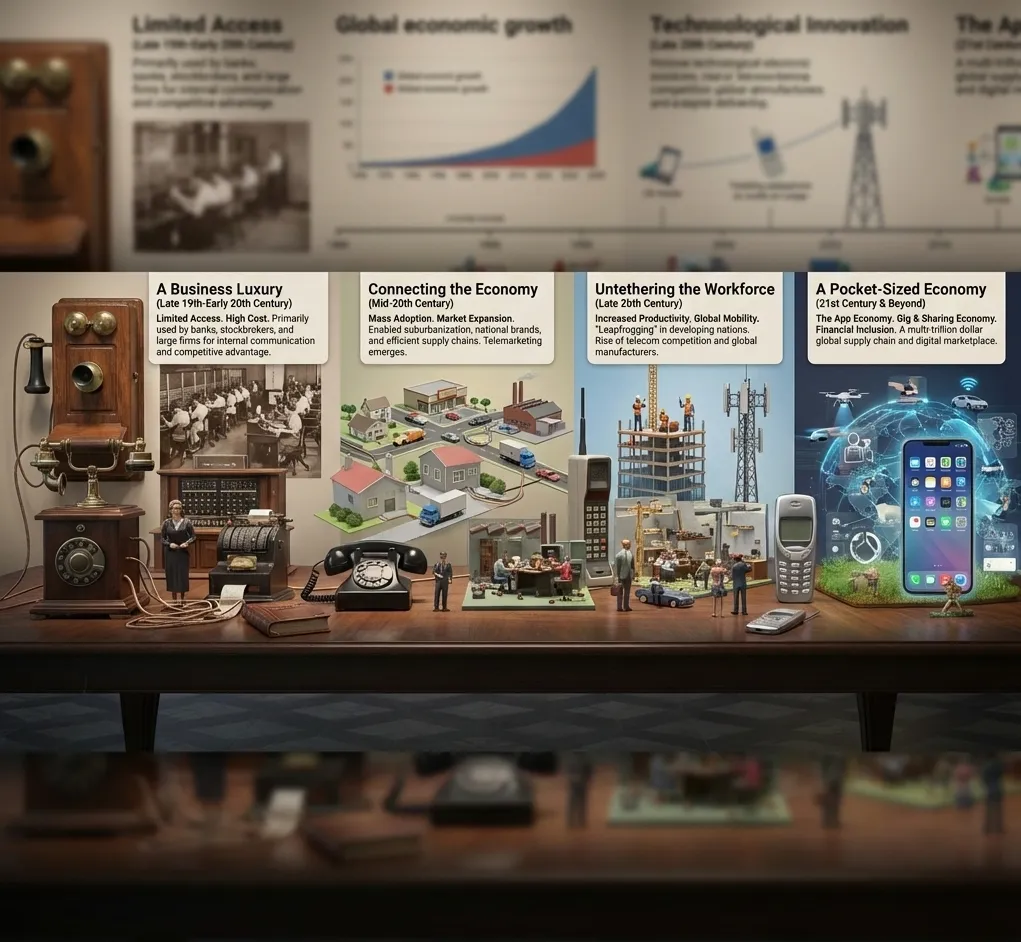
A simple historical table illustrates the trend:
| Era | Key Phone Technology | Investor Impact |
|---|---|---|
| 1900–1950 | Landlines | Stable dividends |
| 1980–2000 | Mobile phones | Growth stocks |
| 2007–Present | Smartphones | Tech-driven market expansion |
Phones, Passive Income, and Wealth Creation
Dividends and Royalties
Phones created multiple passive income streams:
- Dividends from telecom stocks
- Patent royalties
- Licensing fees
- Infrastructure leasing
As one investor famously said:
“Technology doesn’t just change lives—it compounds capital.”
Long-term holders of telecom and later smartphone-related stocks benefited from compounding returns, not speculation.
Smartphones: A Financial Revolution
From Utility to Ecosystem
Smartphones transformed phones into:
- Payment tools
- Investment platforms
- E-commerce gateways
This shift expanded revenue models:
- App stores
- Subscription services
- Advertising ecosystems
From a personal finance perspective, phones reduced:
- Banking costs
- Market access barriers
- Information asymmetry
Retail investors now trade stocks, manage budgets, and build passive income directly from their phones.
Investing Lessons from the History of Phones
Key Takeaways for Investors
The story of how phones began teaches timeless investment lessons:
- Disruptive technologies take time to reach full value
- Early adoption often looks unprofitable at first
- Infrastructure investments create durable moats
- Network effects reward long-term patience
As Warren Buffett once said:
“The stock market is a device for transferring money from the impatient to the patient.”
Conclusion
The idea of phones began as a solution to a communication problem, but evolved into one of the most powerful wealth-generating technologies in financial history. From early landlines to modern smartphones, phones reshaped markets, created passive income streams, and democratized access to finance.
Practical Actions for Readers:
- Study historical tech trends before investing
- Focus on long-term adoption, not short-term hype
- Look for industries with network effects and infrastructure advantages
Understanding the past is one of the most underrated tools in building future wealth.