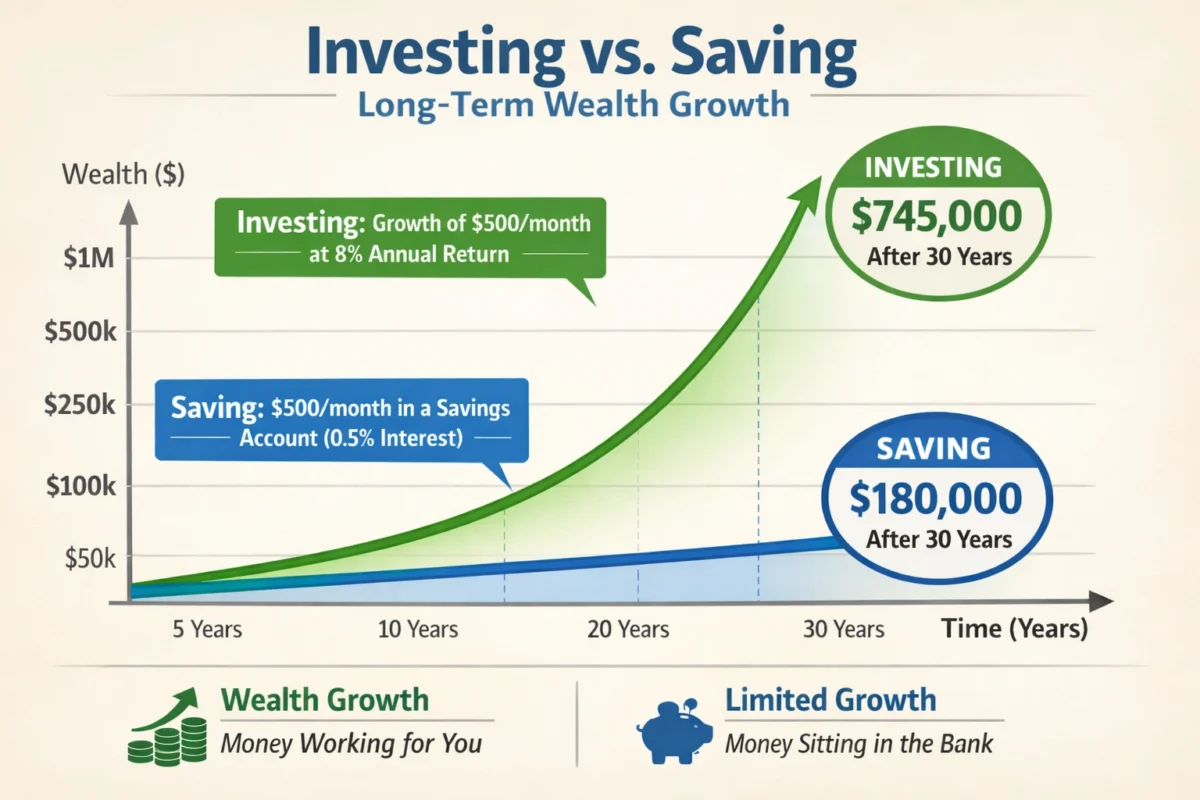
Investing is one of the most powerful ways to grow your wealth over time, yet for many beginners, it can feel overwhelming. Understanding where to start, what to invest in, and how to manage risk is crucial for long-term financial success. This comprehensive guide will walk you through everything a beginner needs to know about investing, providing practical steps, strategies, and insights.
Why Investing Matters
Investing allows your money to work for you. Instead of keeping cash in a savings account that may lose value due to inflation, investing can generate returns and help build wealth. For beginners, the key is to understand that:
- Investing is a long-term strategy
- Consistency matters more than timing
- Knowledge and planning reduce risk
Investing is not about getting rich quickly; it’s about growing your wealth steadily and securely.
Understanding Different Types of Investments
1. Stocks
Stocks represent ownership in a company. When you buy shares, you become a partial owner and can earn money through:
- Dividends: A portion of the company’s profits
- Capital gains: Selling the stock at a higher price than purchased
Tip for beginners: Start with large, well-established companies (blue-chip stocks) to minimize risk.
2. Bonds
Bonds are loans you give to governments or companies in exchange for interest payments. They are generally less risky than stocks and provide predictable income.
Tip: Include bonds in your portfolio to balance risk and stability.
3. Mutual Funds and ETFs
Mutual funds and exchange-traded funds (ETFs) pool money from multiple investors to buy a diversified portfolio of stocks and bonds. They are ideal for beginners because:
- They offer diversification
- Professional managers handle investment decisions
- They are easier to buy than individual stocks
4. Real Estate
Investing in real estate can generate rental income and capital appreciation. While it requires more capital and management, it offers:
- Tangible assets
- Potential tax benefits
- Diversification outside of stocks and bonds
5. Alternative Investments
Other options include:
- Cryptocurrency
- Commodities (gold, oil)
- Peer-to-peer lending
Tip: Only allocate a small portion of your portfolio to alternative investments until you are experienced.
Steps to Start Investing with Confidence
Step 1: Set Financial Goals
Decide what you want to achieve:
- Short-term goals (1–3 years): emergency fund, vacation, major purchase
- Medium-term goals (3–7 years): down payment, debt repayment
- Long-term goals (7+ years): retirement, wealth building
Step 2: Assess Your Risk Tolerance
Understand your comfort level with risk. Generally:
- Younger investors can take more risk with stocks
- Older investors may prioritize safer bonds and income-generating assets
Step 3: Build an Emergency Fund
Before investing, ensure you have 3–6 months of living expenses saved. This provides a financial safety net.
Step 4: Choose an Investment Account
Select the right account for your goals:
- Brokerage accounts: flexible investing in stocks, ETFs, and mutual funds
- Retirement accounts (IRA, 401k): tax advantages for long-term growth
- Robo-advisors: automated, beginner-friendly portfolios
Step 5: Diversify Your Portfolio
Diversification reduces risk by spreading investments across asset types, sectors, and geographies.
Example allocation for beginners:
- 60% stocks
- 30% bonds
- 10% alternatives or cash
Step 6: Start Small and Be Consistent
You don’t need a large sum to begin. Consistent monthly contributions build wealth over time through compounding returns.
Step 7: Monitor and Rebalance
Regularly review your portfolio to ensure it aligns with your goals. Rebalancing involves adjusting asset allocation to maintain your desired risk level.
Common Mistakes Beginners Should Avoid
- Chasing Hot Stocks: Avoid investing based on hype or short-term trends.
- Ignoring Fees: High fees reduce long-term returns. Compare brokerage and fund costs.
- Emotional Investing: Decisions based on fear or greed often lead to losses.
- Lack of Research: Always understand what you are investing in.
- Neglecting Diversification: Don’t put all your money in one stock or asset.
Tools and Resources for Beginners
- Brokerage platforms: Fidelity, Vanguard, Robinhood
- Robo-advisors: Betterment, Wealthfront
- Financial news & research: Bloomberg, Investopedia, Seeking Alpha
- Books: The Intelligent Investor, A Random Walk Down Wall Street
Summary and Actionable Takeaways
- Investing is key for long-term wealth growth; start as early as possible.
- Understand different investment types: stocks, bonds, ETFs, real estate, and alternatives.
- Set clear goals, assess risk, and build an emergency fund first.
- Start small, diversify, and invest consistently.
- Avoid common mistakes like emotional investing, high fees, and lack of research.
- Use tools, platforms, and educational resources to stay informed.
Action Step: Open a brokerage account today and start with a small, diversified investment plan. Remember, consistency and patience are your best allies.
Download our free beginner’s investing checklist to start building your portfolio today