Introduction
Purchasing power is one of the most important — yet often misunderstood — concepts in economics and personal finance. It determines how much value your money truly holds and how far it can go in meeting your daily needs, long-term goals, and investment ambitions. While many people focus on how much they earn or save, the real question is what that money can actually buy over time.
In this article, you will understand the purchasing power in a clear, practical way. We will explore how inflation, income growth, interest rates, and investments affect purchasing power, why it matters for investors and households, and what you can do to protect and grow it. Whether you are a beginner or an experienced investor, this guide will help you make smarter financial decisions in a changing economic environment.

Table of Contents
What Is Purchasing Power?
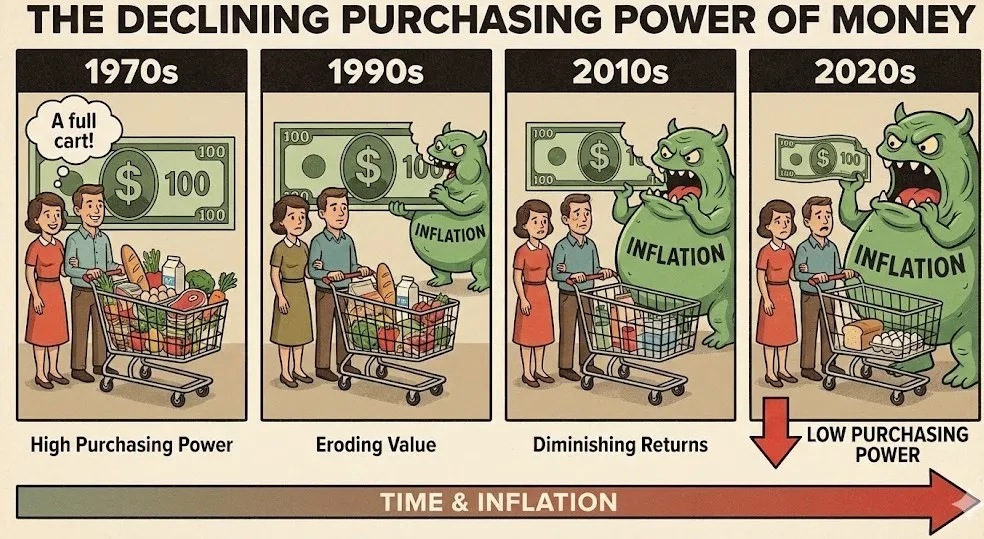
Purchasing power refers to the amount of goods and services that a unit of money can buy at a given time. When purchasing power decreases, the same amount of money buys fewer goods and services. When it increases, your money stretches further.
Simple Example
- In 2010, $100 might have covered a week of groceries.
- In 2025, that same $100 may only cover three or four days.
This decline does not mean the money disappeared — it means its purchasing power declined, mainly due to inflation.
The Relationship Between Purchasing Power and Inflation
Inflation is the primary force that erodes purchasing power over time.
How Inflation Works
Inflation occurs when the general price level of goods and services rises across an economy. When prices rise:
- Each unit of currency buys less
- Savings lose real value if returns do not exceed inflation
- Fixed incomes become less reliable
According to data from the International Monetary Fund (IMF) and national statistical agencies, long-term average inflation in developed economies ranges between 2%–3% annually. Even small annual inflation compounds significantly over decades.
Source: https://www.imf.org
Inflation vs Purchasing Power (Conceptual Table)
| Year | Inflation Rate | Purchasing Power of $100 |
|---|---|---|
| Year 1 | 0% | $100 |
| Year 5 | 3% avg | ~$86 |
| Year 10 | 3% avg | ~$74 |
This illustrates why holding cash for long periods without growth is risky.
Purchasing Power in Personal Finance
Understanding purchasing power is essential for everyday financial planning.
Income and Wage Growth
If your salary increases by 3% annually but inflation is 4%, your real income declines, even though you earn more in nominal terms.
Key takeaway:
- Income growth must exceed inflation to maintain purchasing power.
Savings and Cash Holdings
Cash stored in bank accounts with low interest rates often loses value in real terms.
For example:
- Savings account return: 1%
- Inflation rate: 4%
- Real return: –3%
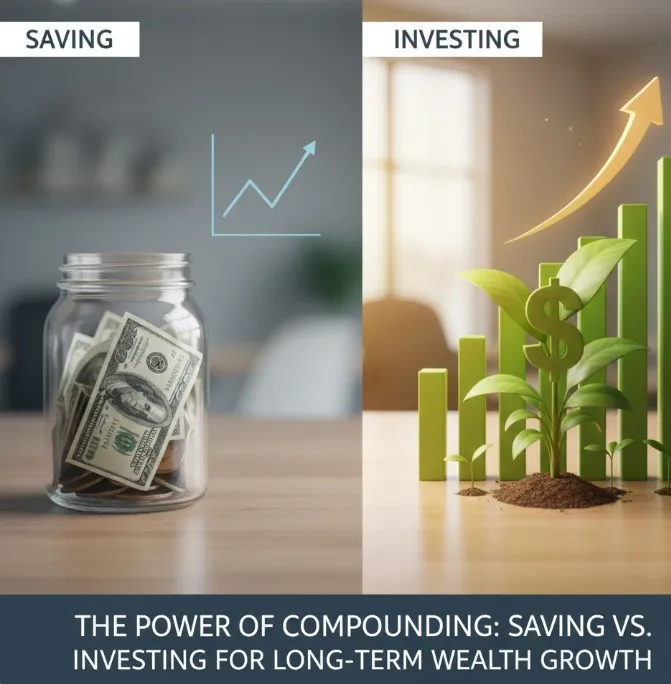
This is why long-term savers must look beyond cash-based strategies.
Purchasing Power and Investing
Investing plays a critical role in preserving and growing purchasing power.
Assets That Historically Protect Purchasing Power
- Stocks (Equities)
- Companies can raise prices over time
- Long-term stock market returns have historically outpaced inflation
- Source: https://www.investopedia.com
- Real Estate
- Property values and rental income tend to rise with inflation
- Acts as a partial inflation hedge
- Commodities (Gold, Energy, Agriculture)
- Often perform well during inflationary periods
- Gold is commonly viewed as a store of value
- Inflation-Protected Securities
- Government bonds indexed to inflation (e.g., TIPS)
- Designed specifically to preserve purchasing power
Assets That May Lose Purchasing Power
- Cash
- Fixed-rate bonds during high inflation
- Fixed pensions without inflation adjustments
Purchasing Power in Global and Currency Context
Purchasing power also varies across countries and currencies.
Purchasing Power Parity (PPP)
Purchasing Power Parity (PPP) compares currencies based on what they can buy domestically rather than exchange rates alone.
Example:
- $10 in one country may buy a full meal
- $10 in another may only buy a coffee
PPP is used by organizations like the World Bank to compare living standards globally.
Source: https://www.worldbank.org
This concept matters for:
- International investing
- Remote workers
- Retirees considering relocation
The Long-Term Impact of Declining Purchasing Power
Failing to account for purchasing power can have serious long-term consequences.
Retirement Planning Risk
If retirement expenses grow faster than savings returns:
- Retirement funds may run out earlier than expected
- Lifestyle adjustments become necessary
Lifestyle Creep vs Real Wealth
Many people feel richer as income rises but ignore rising costs. True wealth growth occurs only when purchasing power improves, not just income.
How to Protect and Grow Your Purchasing Power
Here are practical strategies to defend your purchasing power over time.
1. Invest for Real Returns
- Aim for investments that beat inflation
- Focus on diversified portfolios
2. Avoid Excessive Cash Hoarding
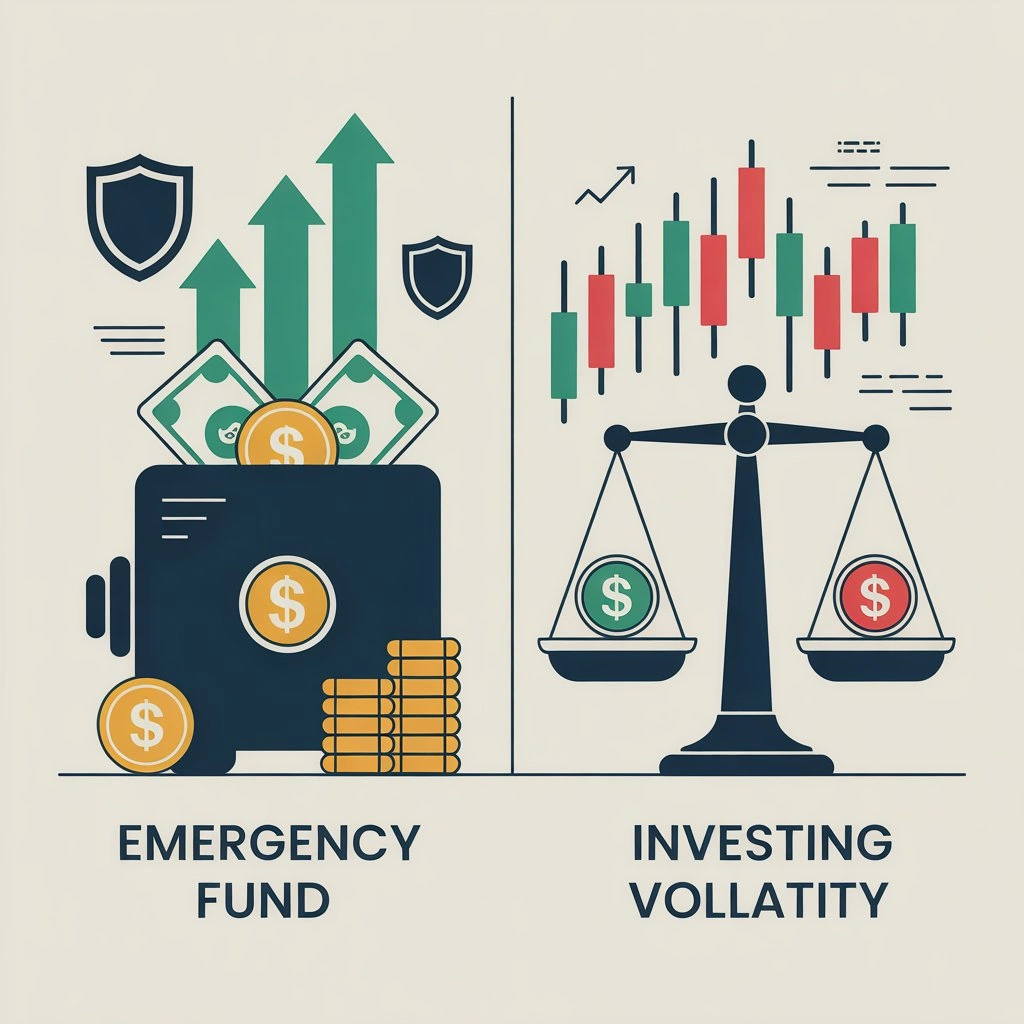
- Keep emergency funds liquid
- Invest excess cash strategically
3. Increase Financial Literacy
- Understand inflation data
- Track real (inflation-adjusted) returns
4. Diversify Income Streams
- Passive income sources
- Skills-based side income
5. Review Spending Patterns
- Inflation often hides in lifestyle upgrades
- Maintain intentional spending habits
Purchasing Power and Passive Income
Passive income can help stabilize purchasing power, especially during inflationary periods.
Examples include:
- Dividend-paying stocks
- Rental income
- Royalties or digital products
When structured properly, these income streams can grow alongside inflation, preserving real value over time.
Conclusion
To understand the purchasing power is to understand the true value of money. It is not about how much you earn or save, but how effectively your money works for you over time. Inflation silently erodes wealth, while smart investing, income growth, and financial awareness protect it.
Key takeaways:
- Purchasing power determines real wealth
- Inflation is the main threat to long-term financial security
- Investing is essential to preserve value
- Financial decisions should always consider real, not nominal, returns
By making purchasing power a central part of your financial strategy, you position yourself for sustainable growth, stronger resilience, and long-term financial freedom.