Introduction
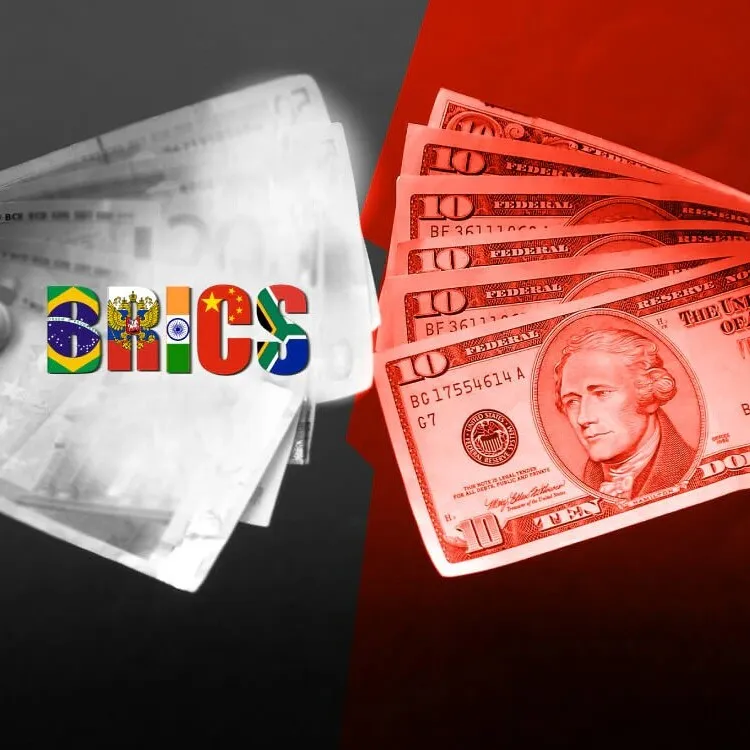
The global financial landscape is undergoing a profound transformation, marked by the rise of new economic powers and a growing push to reshape the architecture of international trade. At the heart of this shift is the expanded BRICS bloc, a coalition of major emerging economies that has moved from a consultative forum to a formidable geopolitical and economic entity. The recent expansion, which brought in key resource-rich nations, has amplified the group’s collective influence, making its strategic moves a central topic for investors, policymakers, and businesses worldwide. Understanding the BRICS impact on USD is no longer a fringe concern, but a critical exercise in forecasting the future of global finance.
This topic matters today because the US dollar’s status as the world’s primary reserve currency underpins much of the current economic stability and the United States’ geopolitical power. Any credible challenge to this dominance, even a gradual one, has far-reaching implications for inflation, interest rates, and trade dynamics across all continents. The BRICS nations, representing a significant portion of the world’s population, GDP, and commodity production, are actively pursuing alternatives to the dollar for trade settlement and financial transactions. This article will serve as a comprehensive guide, exploring the motivations behind the BRICS expansion, detailing the mechanisms of their de-dollarization agenda for 2026, and analyzing the potential short-term and long-term consequences for the US dollar and the global economy.
The New BRICS Bloc: A Shift in Global Economic Gravity
The BRICS group, originally comprising Brazil, Russia, India, China, and South Africa, was founded on the principle of providing a collective voice for emerging markets. Its recent expansion marks a decisive step toward realizing a more multipolar world order. The addition of new members, including key players from the Middle East and Africa, has fundamentally altered the bloc’s economic profile, transforming it from a loose association into a heavyweight contender in global affairs. This expansion is driven by a shared desire to increase economic autonomy and reduce vulnerability to the financial policies and sanctions regimes of Western nations.
Understanding the Expanded BRICS Membership
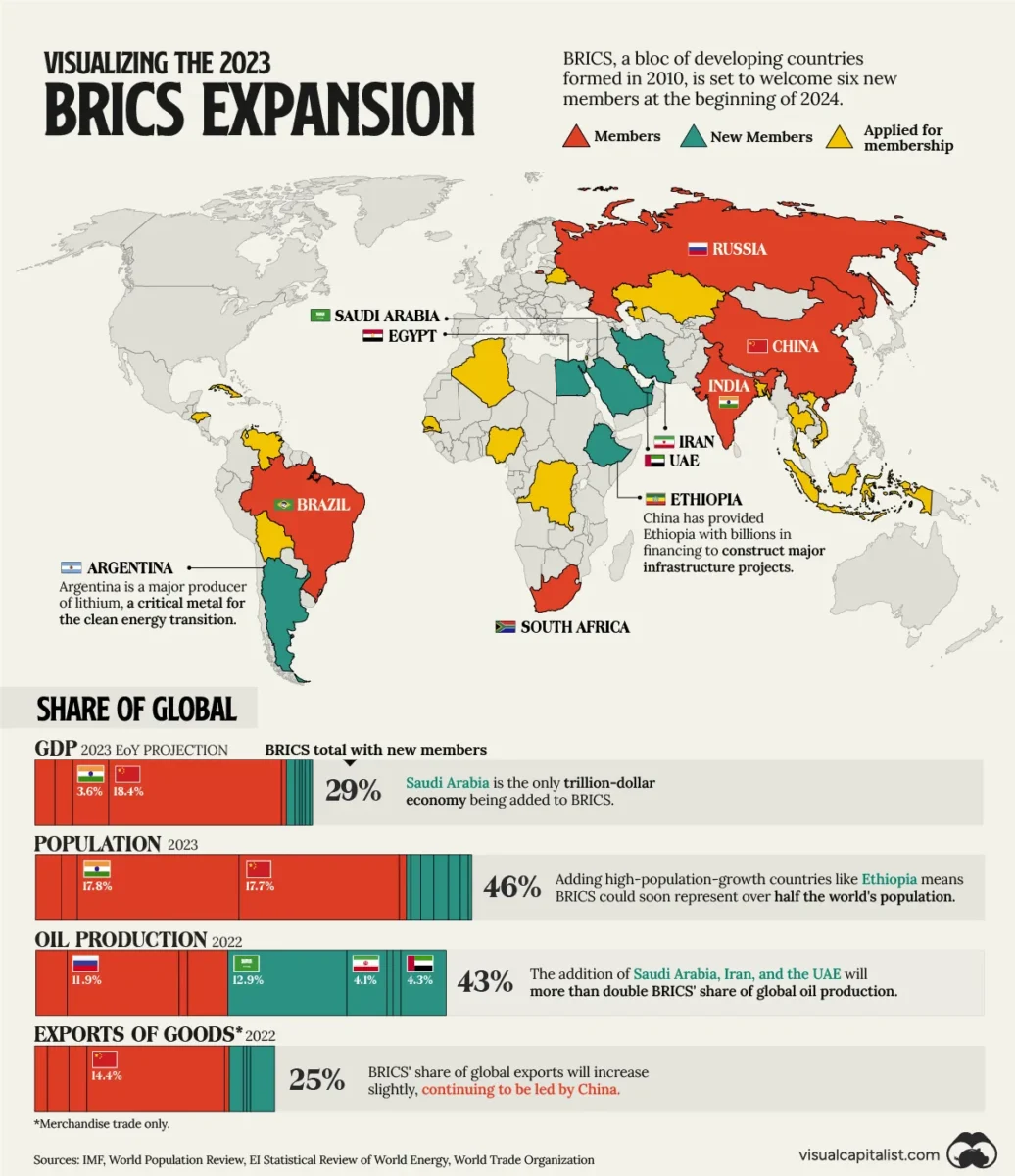
The new BRICS membership, which became fully effective in early 2026, significantly bolsters the bloc’s control over vital global resources and trade routes. The inclusion of major oil producers, for instance, gives the group unprecedented leverage in the energy markets, allowing them to push for trade settlements in currencies other than the US dollar. Furthermore, the expanded bloc now accounts for a much larger share of the world’s population and economic output, granting it greater legitimacy and influence in international institutions. This collective strength is the primary engine behind the group’s de-dollarization efforts, as a larger, more diverse coalition can absorb economic shocks and offer more robust alternative financial mechanisms. The sheer scale of the expanded BRICS economy means that decisions made within the bloc can now have an immediate and measurable effect on global commodity prices and currency flows.
The Core Motivation: Reducing Dollar Dependence
The drive to reduce reliance on the US dollar is rooted in both economic pragmatism and geopolitical necessity. For many BRICS members, the dollar’s dominance exposes them to the risk of financial sanctions, as seen with Russia, and to the volatility of US monetary policy, which can destabilize their domestic economies. The US Federal Reserve’s interest rate decisions, for example, can trigger capital flight from emerging markets, creating financial crises. By promoting local currency trade and developing independent payment systems, BRICS nations aim to insulate themselves from these external pressures. This is not necessarily an attempt to destroy the dollar, but rather a strategic move to create a “Plan B,” ensuring that their economies can continue to function and grow even if they are cut off from the dollar-centric financial system. This motivation is a key factor in understanding the long-term BRICS impact on USD.
De-Dollarization 2.0: The BRICS Impact on USD in Trade and Finance
The current phase of de-dollarization, often termed “De-Dollarization 2.0,” is characterized by concrete, institutional steps rather than mere rhetoric. The BRICS nations are building parallel financial infrastructure designed to bypass the existing Western-dominated systems, particularly in the areas of cross-border payments and trade settlement. These initiatives are designed to be practical, offering tangible benefits to member states and their trading partners, thereby encouraging a natural migration away from the dollar.
The BRICS Unit and Gold-Backed Settlement
One of the most significant developments is the pilot program for the BRICS Unit, a proposed settlement tool intended to facilitate trade among member states without relying on the US dollar. This unit is not a traditional currency but a basket-based mechanism, reportedly supported by a combination of gold and the currencies of the BRICS member states. The gold component, in particular, is a powerful symbol of stability and a direct challenge to the fiat nature of the dollar. With the expanded BRICS bloc controlling a substantial portion of the world’s gold reserves, the introduction of a gold-backed settlement tool provides a credible, non-political alternative for international transactions. The pilot, which began in late 2025, is focused on proving the viability of this mechanism for high-volume cross-border trade, establishing a new, dollar-free channel for global commerce.
| Feature | BRICS Unit (Proposed Settlement Tool) | US Dollar (Current Global Reserve) |
|---|---|---|
| Nature | Basket-based settlement mechanism, not a currency. | Fiat currency, backed by the full faith and credit of the US government. |
| Backing | Reportedly backed by a mix of gold and BRICS currencies. | No commodity backing. |
| Primary Use | Facilitating trade settlement among BRICS and partner nations. | Global trade, reserve asset, and primary medium of exchange. |
| Geopolitical Risk | Low, designed to be politically neutral and sanctions-proof. | High, subject to US foreign policy and sanctions. |
| Adoption | Limited, currently in pilot phase for intra-bloc trade. | Universal, deeply entrenched in global financial systems. |
Alternative Payment Systems: BRICS Pay and CBDC Interoperability
Beyond the BRICS Unit, the bloc is actively expanding its digital payment infrastructure to create a seamless, dollar-free ecosystem. BRICS Pay is a decentralized system designed to link the national payment networks of member states, such as Russia’s System for Transfer of Financial Messages (SPFS), China’s Cross-Border Interbank Payment System (CIPS), and India’s Unified Payments Interface (UPI). This integration has already led to a measurable reduction in USD usage for intra-bloc trade, demonstrating the practical effectiveness of these parallel systems.
Furthermore, the concept of Central Bank Digital Currency (CBDC) interoperability is a major priority for 2026. Russia, China, and India are collaborating to interlink their respective digital currencies, which would allow for instant, low-cost, and direct cross-border payments without the need for traditional correspondent banking or the SWIFT system, which is heavily dollar-dependent. This technological leap represents a significant threat to the dollar’s role as the primary intermediary in global finance, as it offers a faster and more efficient alternative for settling international obligations. The success of these payment systems will be a major determinant of the overall BRICS impact on USD in the coming years.
Navigating the Risks and Opportunities for the US Dollar
The narrative surrounding de-dollarization often swings between alarmist predictions of the dollar’s imminent collapse and dismissive arguments that its dominance is unassailable. The reality is more nuanced, suggesting a gradual, structural erosion of the dollar’s market share rather than a sudden demise. The BRICS impact on USD will be felt most acutely in specific sectors, such as commodity trade, before it affects the dollar’s role as a global reserve asset.
Short-Term vs. Long-Term BRICS Impact on USD
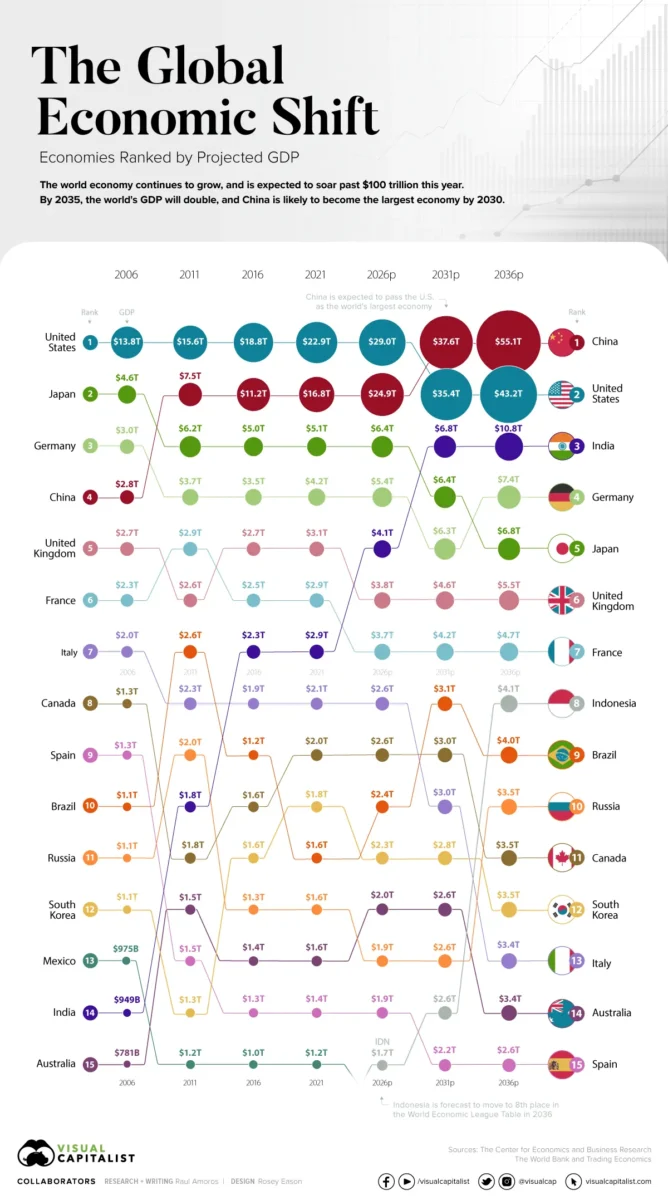
In the short term, the direct impact of BRICS initiatives on the US dollar’s value and global reserve status is likely to be minimal. The dollar’s dominance is supported by deep, liquid US capital markets, a strong rule of law, and a lack of a single, credible alternative. The BRICS Unit and BRICS Pay are currently focused on intra-bloc trade, which, while significant, does not yet challenge the dollar’s role in the broader global economy.
However, the long-term implications are more serious. Every successful local currency trade, every loan issued by the New Development Bank (NDB) in a local currency, and every transaction settled via BRICS Pay represents a small but permanent reduction in the demand for the dollar. Over decades, this cumulative effect, often referred to as “death by a thousand cuts,” could lead to a structural decline in the dollar’s share of global reserves and trade. This shift would increase the cost of borrowing for the US government and reduce the geopolitical flexibility afforded by the dollar’s reserve status.
| Factor | Pros for the Global Economy (Post-De-Dollarization) | Cons for the Global Economy (Post-De-Dollarization) |
|---|---|---|
| Currency Risk | Reduced exposure to US monetary policy and inflation. | Increased currency volatility and complexity in cross-border trade. |
| Financial Stability | Greater financial autonomy for emerging markets. | Fragmentation of the global financial system, potentially slowing trade. |
| Trade Efficiency | Faster, cheaper settlement via systems like BRICS Pay. | Loss of a single, universally accepted unit of account. |
| Geopolitics | More balanced global power structure. | Increased risk of economic blocs and trade wars. |
The Role of the New Development Bank (NDB)
The New Development Bank (NDB), established by the BRICS nations, is a crucial institutional pillar of the de-dollarization strategy. The NDB’s primary mandate is to mobilize resources for infrastructure and sustainable development projects in BRICS and other emerging economies. Critically, the NDB has committed to increasing the share of its lending in the local currencies of its member states, aiming for a significant portion of its total loan book to be non-dollar denominated.
This strategy serves a dual purpose. First, it provides a much-needed alternative to institutions like the World Bank and the International Monetary Fund (IMF), which are often perceived as being dominated by Western interests. Second, and more importantly for the BRICS impact on USD, it promotes the use of local currencies in large-scale, long-term infrastructure financing. When a country borrows and repays a loan in its own currency, it eliminates the currency mismatch risk, which has historically been a major source of financial instability in emerging markets. By minimizing the need for dollar-denominated debt, the NDB is directly reducing the structural demand for the US dollar in the developing world.
Conclusion
The BRICS expansion and the subsequent acceleration of the de-dollarization agenda represent one of the most significant structural shifts in the global economy since the end of the Cold War. The group is not merely talking about change; it is actively building the institutional and technological infrastructure—from the BRICS Unit and BRICS Pay to local currency lending via the NDB—to support a multipolar financial world. While the US dollar’s dominance is not facing an immediate collapse, it is entering a period of gradual, yet undeniable, erosion. The BRICS impact on USD will manifest not as a sudden crisis, but as a slow, steady decline in its market share, particularly in commodity trade and cross-border payments.
For investors and businesses, this new reality demands a thoughtful, long-term perspective. The practical action is to diversify currency exposure and pay close attention to the development of alternative payment rails. Companies engaged in trade with BRICS nations should explore settling transactions in local currencies to mitigate currency risk and potentially benefit from lower transaction costs offered by systems like BRICS Pay. Furthermore, the increased demand for gold, driven by its role as a potential backing for the BRICS Unit, suggests that it will continue to be a strategic asset in a de-dollarizing world. Policymakers in the West must recognize that the challenge is structural, not cyclical, and that maintaining the dollar’s preeminence requires strengthening the underlying economic fundamentals and addressing the geopolitical concerns that are driving nations toward alternatives. Ultimately, the shift is toward a more complex, multi-currency system, requiring thoughtful decision-making to navigate the evolving landscape of global finance.
FAQ Section
How quickly will the BRICS Unit replace the US dollar?
The BRICS Unit is not designed to replace the US dollar as a global reserve currency, at least not in the near term. It is intended as a settlement tool for trade among BRICS and partner nations. The dollar’s dominance is supported by deep, liquid markets and trust, which take decades to build. The BRICS impact on USD will be a gradual erosion of its market share in trade, not a sudden replacement.
What is the difference between BRICS Pay and SWIFT?
SWIFT is a messaging system that facilitates communication between banks for international payments, which are typically settled in US dollars. BRICS Pay is a decentralized payment system that aims to link national payment networks, allowing for direct, real-time settlement in local currencies, bypassing the need for SWIFT and the dollar.
Which countries have joined the expanded BRICS bloc?
The expanded BRICS bloc, as of early 2026, includes the original five members (Brazil, Russia, India, China, South Africa) plus several new members, including key oil-producing nations and influential regional players. This expansion significantly increases the bloc’s collective economic and resource power.
Will de-dollarization cause hyperinflation in the United States?
While a complete and sudden abandonment of the dollar could lead to significant economic disruption, the current, gradual de-dollarization trend is unlikely to cause hyperinflation. The primary risk is a reduction in demand for US debt, which could lead to higher interest rates and a weaker dollar over time, but this is a slow process that the Federal Reserve can manage. The BRICS impact on USD is more about market share than catastrophic collapse.
What should an average investor do in response to the BRICS expansion?
An average investor should focus on diversification. This includes diversifying across different asset classes, geographies, and currencies. Consider assets that perform well in a multipolar world, such as commodities, gold, and equities in emerging markets that are poised to benefit from increased intra-BRICS trade.
We encourage you to share your thoughts on this monumental shift in global finance. Tell us in the comments if you find value in this article and what you believe the long-term consequences of the BRICS impact on USD will be for your investments.
References
[1] Watcher.Guru. BRICS De-Dollarization Agenda For 2026 Advances With Global Launch. https://watcher.guru/news/brics-de-dollarization-agenda-for-2026-advances-with-global-launch
[2] Council on Foreign Relations. What Is the BRICS Group and Why Is It Expanding?. https://www.cfr.org/backgrounder/what-brics-group-and-why-it-expanding
[3] J.P. Morgan. De-dollarization: The end of dollar dominance?. https://www.jpmorgan.com/insights/global-research/currencies/de-dollarization
[4] Visual Capitalist. Visualizing the BRICS Expansion in 4 Charts. https://www.visualcapitalist.com/visualizing-the-brics-expansion-in-4-charts/