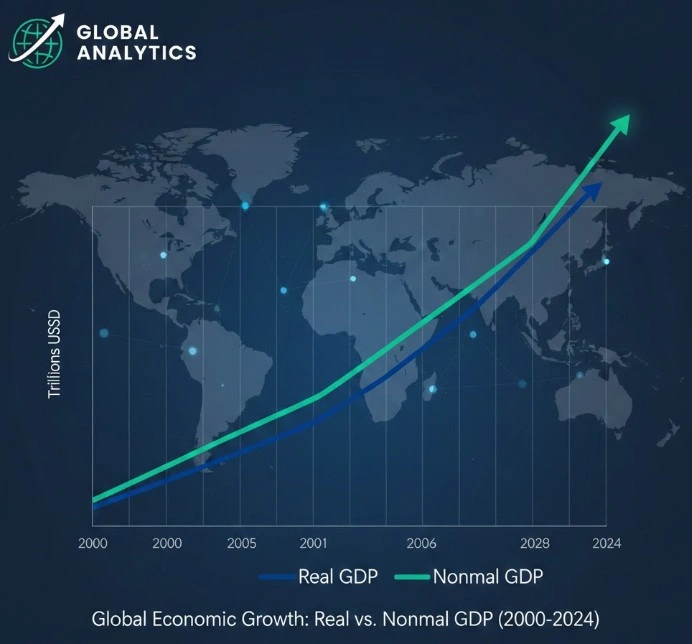
In an era marked by unprecedented technological advancement and consistent economic expansion, a troubling paradox persists: while the national economy grows, a significant portion of the population remains trapped in a cycle of poverty. We often hear that a rising tide lifts all boats, yet for many, the water level never seems to reach them. This phenomenon, where Why Most People Stay Poor Even When the Economy Grows is a critical question of our time, isn’t a matter of individual failure or a lack of ambition. Instead, it points to deep-seated structural issues and systemic barriers that prevent the benefits of economic growth from being distributed equitably. Understanding this disconnect is more than an academic exercise; it is essential for building a more inclusive and prosperous society for everyone. This article will delve into the complex reasons behind this persistent poverty, exploring the invisible traps, systemic hurdles, and economic forces that keep financial security out of reach for so many, even as the world around them appears to get richer.
Table of Contents
The Invisible Chains of the Poverty Trap

The concept of a poverty trap is fundamental to understanding why individuals and communities struggle to escape destitution, even amidst economic prosperity. It posits that people remain poor not necessarily due to a lack of talent, motivation, or effort, but because they are caught in a self-reinforcing mechanism where their current state of poverty makes it incredibly difficult to accumulate the necessary capital—be it financial, human, or social—to improve their circumstances. Research from institutions like the London School of Economics (LSE) highlights that those born into poverty often lack the initial assets required to access higher-productivity opportunities [1]. This creates a critical threshold: individuals with wealth below this level are often forced into low-productivity jobs with minimal returns, making it nearly impossible to save or invest in education, health, or business ventures that could lift them out of poverty. Conversely, those above this threshold have the means to leverage opportunities, further widening the gap. This isn’t merely about income; it’s about the fundamental ability to access and utilize resources that foster upward mobility. The absence of a safety net, coupled with the constant pressure of day-to-day survival, means that any small setback—a medical emergency, a bad harvest, or a job loss—can push individuals deeper into the trap, negating any incremental progress they might have made. Breaking free often requires significant external intervention or a substantial one-off transfer of assets, as demonstrated by studies in rural Bangladesh, which showed that such interventions could enable individuals to sustainably improve their livelihoods [1]. Without such a catalyst, the cycle of poverty perpetuates, regardless of broader economic growth.
Systemic Barriers to Financial Inclusion

One of the most significant yet often overlooked reasons why many individuals remain poor, even as the economy expands, is the pervasive issue of barriers to financial services. In a modern economy, access to basic banking, credit, and investment opportunities is crucial for wealth accumulation and financial stability. However, for a substantial portion of the population, these services are either inaccessible, unaffordable, or simply not designed to meet their needs. Many low-income individuals lack the necessary documentation, stable addresses, or even the time to navigate the complex processes required to open a bank account. This exclusion forces them into alternative, often predatory, financial services such as payday loans, check-cashing services, and high-interest credit, which erode their already limited resources and deepen their debt [2]. Without access to traditional banking, saving money securely, building a credit history, or making affordable transactions becomes incredibly difficult. Furthermore, the absence of financial literacy education means many are unaware of how to effectively manage their money, invest for the future, or protect themselves from financial exploitation. This systemic exclusion from mainstream financial tools creates a significant hindrance to upward mobility, preventing individuals from leveraging their income, however modest, into wealth-building opportunities. The digital divide further exacerbates this issue, as many essential financial services increasingly move online, leaving those without internet access or digital literacy at a distinct disadvantage. These barriers are not merely inconveniences; they are fundamental structural impediments that actively prevent individuals from participating fully in the economic system and benefiting from its growth.
The Squeeze: Stagnant Wages and Soaring Costs
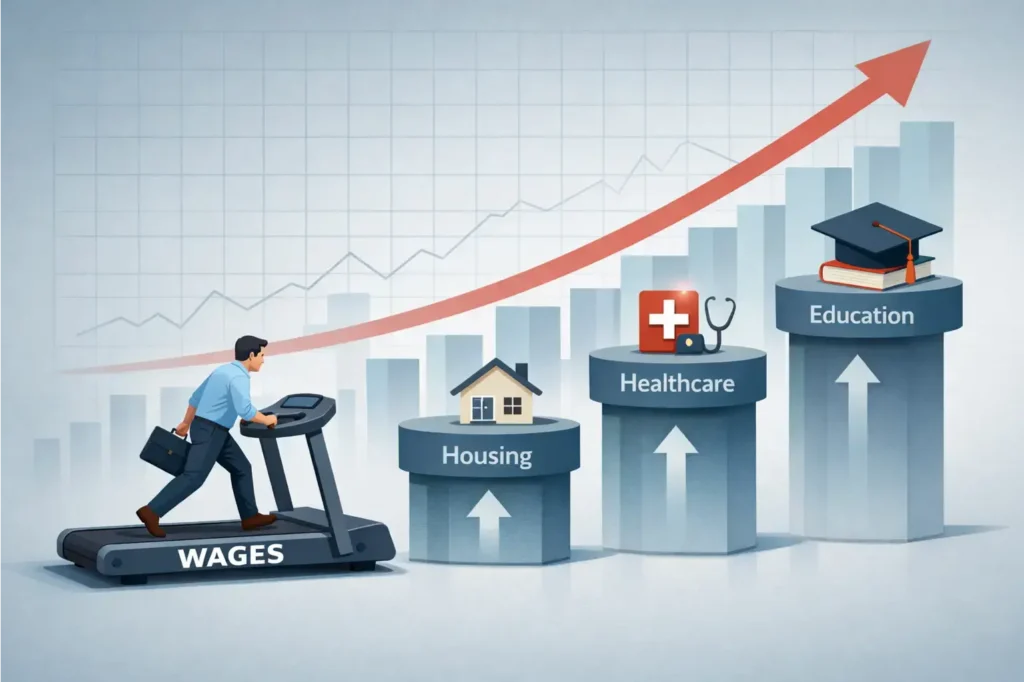
Even as national economies report robust growth, a significant segment of the population finds itself in a relentless financial squeeze due to stagnant wages and soaring costs of essential goods and services. For decades, the real wages of many workers, particularly those in low- and middle-income brackets, have failed to keep pace with inflation and the overall productivity gains of the economy. This means that while the economy produces more wealth, the purchasing power of average households either stagnates or declines. Simultaneously, the costs of fundamental necessities—housing, healthcare, education, and even food—have escalated dramatically. For instance, housing prices in many urban and suburban areas have far outstripped wage growth, making homeownership an unattainable dream for many and forcing a larger portion of income to be allocated to rent [2]. Similarly, healthcare expenses continue to rise, often leading to medical debt, which is a leading cause of bankruptcy in many developed nations. The burden of student loan debt, a direct consequence of rising education costs, further hampers young people’s ability to accumulate wealth, start businesses, or purchase homes. This widening gap between what people earn and what they need to spend to maintain a basic standard of living creates a perpetual treadmill effect. Individuals are forced to work longer hours or take on multiple jobs just to stay afloat, leaving little to no disposable income for savings, investments, or emergencies. This constant struggle to meet basic needs prevents wealth accumulation and perpetuates financial insecurity, making it incredibly difficult for individuals to benefit from broader economic growth, which often manifests in areas like stock market gains or corporate profits that are out of reach for those living paycheck to paycheck.
The Widening Chasm: Wealth Gaps and Unequal Distribution of Economic Gains

Economic growth, while often celebrated as a sign of progress, frequently masks a more insidious problem: the unequal distribution of its gains, leading to ever-widening wealth gaps. The benefits of a growing economy are not shared equally; instead, they tend to disproportionately accrue to those who already possess significant capital. The wealthy primarily derive their income and wealth from investments in assets such as stocks, real estate, and businesses, which appreciate in value during periods of economic expansion. As the economy grows, so too does the value of these assets, creating a compounding effect that rapidly increases the fortunes of the rich. In contrast, the poor and much of the middle class rely predominantly on wages, which, as previously discussed, have largely stagnated. This fundamental difference in how wealth is generated—through capital appreciation versus labor income—is a key driver of persistent inequality. When economic growth occurs, it often translates into higher corporate profits and stock market booms, directly benefiting shareholders and investors. For those without a significant investment portfolio, these gains remain largely abstract. Furthermore, tax policies in many nations often favor capital gains over labor income, further exacerbating this disparity [2]. The rich are able to leverage their existing wealth to generate more wealth, while those without capital find it nearly impossible to enter this cycle. This creates a feedback loop where the rich get richer, and the poor, despite living in a growing economy, find their relative position worsening. The concentration of wealth at the top also translates into greater political influence, which can then be used to shape policies that further entrench these inequalities, such as deregulation or tax cuts that primarily benefit corporations and high-net-worth individuals. This structural advantage ensures that even when the economic pie grows larger, the slices allocated to the majority remain disproportionately small, or in some cases, even shrink.
Beyond Individual Choice: Systemic Issues and Structural Barriers
While individual choices and efforts play a role in personal financial outcomes, it is crucial to recognize that poverty is often a symptom of deeper systemic issues and structural barriers that limit opportunities for entire segments of the population. The narrative of
pulling oneself up by one’s bootstraps often overlooks the fact that many people either have no boots or are stuck in quicksand. Systemic gaps in access to quality education, affordable healthcare, stable housing, and equitable job opportunities create a playing field that is far from level [2]. For instance, communities with underfunded schools perpetuate cycles of low educational attainment, limiting future earning potential. Residential segregation, often a legacy of discriminatory policies, concentrates poverty, leading to fewer resources, higher crime rates, and limited access to good jobs within those areas [3].
Furthermore, the justice system can disproportionately affect low-income individuals and minority groups, with minor infractions leading to fines, court fees, and incarceration that can derail financial stability for years. Lack of affordable childcare prevents many parents, particularly single mothers, from entering or remaining in the workforce. Even seemingly neutral policies can have disparate impacts; for example, zoning laws that restrict affordable housing options contribute to urban sprawl and increased transportation costs for low-wage workers. These are not isolated incidents but interconnected components of a system that, intentionally or unintentionally, creates and maintains economic disadvantage. Addressing these structural barriers requires comprehensive policy interventions that go beyond individual-focused solutions, aiming instead to dismantle the systemic obstacles that prevent millions from participating fully in a growing economy.
Conclusion: Beyond the Illusion of Universal Prosperity
The persistent reality that Why Most People Stay Poor Even When the Economy Grows is a complex issue rooted in a confluence of factors that extend far beyond individual effort or ambition. The illusion of universal prosperity, often painted by headline economic growth figures, obscures the deep-seated structural inequalities and systemic barriers that actively prevent a significant portion of the population from benefiting. From the invisible chains of the poverty trap, which deny individuals the initial assets needed for upward mobility, to the systemic exclusion from essential financial services, the deck is often stacked against those at the bottom. The relentless squeeze of stagnant wages coupled with the soaring costs of basic necessities further exacerbates this struggle, forcing many into a perpetual cycle of financial precarity. Moreover, the widening chasm of wealth inequality ensures that the lion’s share of economic gains flows to those who already possess capital, leaving wage earners behind. Finally, the pervasive systemic issues and structural barriers in education, healthcare, housing, and justice create an uneven playing field that entrenches disadvantage across generations.
Recognizing these multifaceted challenges is the first step toward fostering genuine, inclusive prosperity. It demands a shift in perspective from blaming individuals for their circumstances to critically examining and reforming the systems that perpetuate poverty. True economic growth should not merely increase the overall pie but ensure that every member of society has a fair opportunity to partake in its bounty. This requires comprehensive policy interventions, including equitable access to quality education and healthcare, robust financial inclusion initiatives, policies that ensure living wages keep pace with the cost of living, and progressive tax reforms that address wealth concentration. Only by dismantling these structural impediments can we hope to build an economy where a rising tide truly lifts all boats, transforming the current paradox into a future of shared prosperity and opportunity for all.
Frequently Asked Questions
Why does economic growth not always reduce poverty?
Economic growth often benefits those who already possess significant capital and assets, such as stocks and real estate, more than it benefits wage earners. When growth is not accompanied by policies that ensure equitable distribution, such as fair wages, access to education, and social safety nets, the benefits tend to concentrate at the top, leaving many behind. Structural barriers and systemic issues also prevent many from participating in or benefiting from economic expansion.
What is a “poverty trap”?
A poverty trap is a self-reinforcing mechanism that makes it very difficult for individuals or communities to escape poverty. It suggests that a certain minimum amount of capital or resources is needed to break free from poverty, and those below this threshold are unable to accumulate enough to invest in their future, thus remaining trapped in low-productivity cycles. This can include lack of access to education, healthcare, or financial services.
How do stagnant wages contribute to persistent poverty?
When wages do not keep pace with the rising cost of living, particularly for essential goods and services like housing, healthcare, and education, individuals and families find their purchasing power diminishing. This forces them to allocate a larger portion of their income to basic necessities, leaving little to no room for savings, investments, or emergencies, thereby perpetuating financial insecurity and making wealth accumulation nearly impossible.
What role do financial services play in keeping people poor?
Lack of access to mainstream financial services, such as bank accounts, affordable credit, and investment opportunities, can significantly hinder upward mobility. Without these tools, individuals are often forced to rely on predatory alternative financial services, which can trap them in cycles of debt. It also prevents them from building credit, saving securely, and leveraging financial instruments that can help grow wealth.
Are individual choices or systemic issues more responsible for persistent poverty?
While individual choices and efforts are certainly factors, research and evidence increasingly point to systemic issues and structural barriers as the primary drivers of persistent poverty. Factors like unequal access to quality education, healthcare, and job opportunities, discriminatory policies, and the concentration of wealth at the top create an uneven playing field that makes it incredibly difficult for many to escape poverty, regardless of their individual efforts.
Your Voice Matters
We hope this article has shed light on the complex reasons why poverty persists even in times of economic growth. Understanding these dynamics is crucial for fostering a more equitable society. We invite you to share your thoughts, experiences, and perspectives in the comments section below. What solutions do you believe are most effective in addressing these challenges? Your insights contribute to a richer discussion and a collective understanding of how we can build a future where prosperity is truly shared by all. Don’t forget to subscribe to our blog for more in-depth analyses and discussions on critical economic and social issues.
References
- LSE. “Why do people stay poor?” LSE Research, January 18, 2021. https://www.lse.ac.uk/research/research-for-the-world/economics/why-do-people-stay-poor
- Moorhead, Caitlyn. “6 Reasons the Poor Stay Poor and the Middle Class Doesn’t Get Richer.” Yahoo Finance, December 16, 2025. https://finance.yahoo.com/news/6-reasons-why-poor-stay-170030897.html
- Urban Institute. “Poverty Results from Structural Barriers, Not Personal Choices.” Urban Wire, February 16, 2021. https://www.urban.org/urban-wire/poverty-results-structural-barriers-not-personal-choices-safety-net-programs-should-reflect-fact