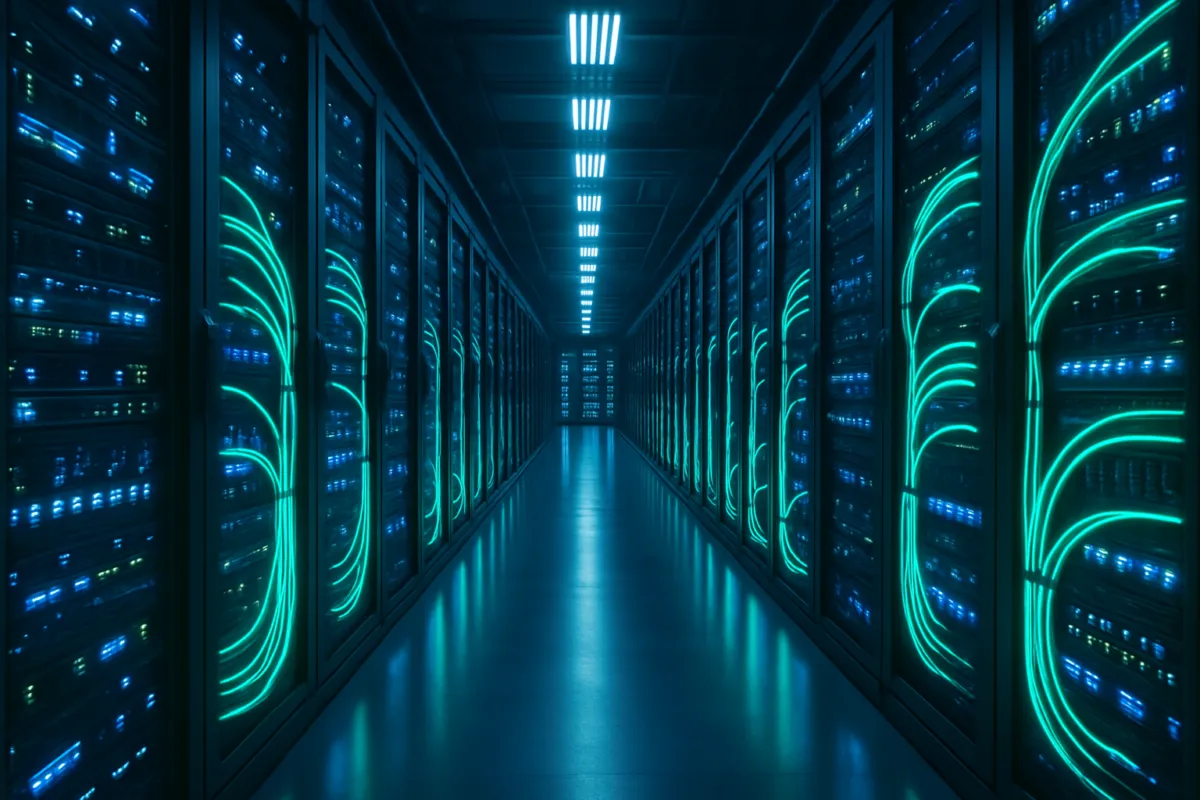
The artificial intelligence revolution is no longer a distant promise; it is a present-day reality reshaping industries at an unprecedented pace. For investors, the initial gold rush centered on the companies creating the foundational AI models and the chipmakers supplying the raw computational power. However, as the AI boom matures and transitions from a speculative frenzy to a sustainable, infrastructure-driven economy, a more resilient and often overlooked investment strategy is coming to the fore: the “pick and shovel” play. This strategy, borrowed from the 19th-century gold rush, suggests that the most reliable profits often go not to the miners themselves, but to those who sell the tools and supplies. In the context of 2026, the essential tools are the AI infrastructure stocks—the companies that build, power, connect, and cool the massive data centers required to train and run modern AI.
The shift in focus is critical. While the performance of the most prominent AI chipmakers has been spectacular, their valuations reflect high expectations. The next phase of the AI trade, as we move deeper into 2026, is increasingly defined by the massive capital expenditure (capex) of hyperscalers—the tech giants like Amazon, Microsoft, and Google—who are pouring hundreds of billions into their digital foundations [1]. This spending spree is creating a powerful, multi-year tailwind for the companies that provide the physical and digital scaffolding for AI. Understanding this infrastructure layer—from high-speed networking to advanced cooling and specialized real estate—is the key to unlocking the next wave of durable returns in the AI investment landscape. This article will provide a deep dive into the core components of AI infrastructure, identifying the key players and explaining why they represent the most compelling “pick and shovel” opportunity for long-term investors.
The Foundation of the AI Gold Rush: Why Infrastructure Matters
The sheer scale of modern AI is staggering. Training a single large language model (LLM) can consume as much energy as dozens of homes over a year, and the demand for computational resources is growing exponentially. This explosive growth has created a fundamental bottleneck: the physical infrastructure needed to support it. The initial phase of the AI boom was characterized by a race for the most powerful GPUs. The current phase, however, is defined by the race to build the factories—the data centers—that house these chips and keep them running efficiently. This is where the AI infrastructure stocks shine. They are the providers of the physical layer that ensures the chips can communicate, stay cool, and receive uninterrupted power. Without this robust foundation, the AI revolution grinds to a halt. The investment thesis here is simple: every dollar spent on an AI chip necessitates multiple dollars spent on the surrounding infrastructure. As hyperscalers project capital spending to exceed half a trillion dollars in 2026, the companies enabling this build-out are poised for reliable, long-term revenue growth [2]. This shift represents a move from a focus on the supply of chips to the demand for the entire ecosystem, offering a more diversified and less volatile way to participate in the AI supercycle.
The Hyperscaler Spending Spree
The world’s largest technology companies—the hyperscalers—are the primary drivers of AI infrastructure demand. Their capital expenditure (capex) budgets are the leading indicator for the entire sector. Historically, analyst estimates for this spending have been consistently too low, a trend that is expected to continue through 2026. Goldman Sachs Research, for instance, noted that the consensus estimate for 2026 capex for these companies was already climbing past $500 billion, with a potential upside that could push it toward $700 billion, a level comparable to the peak of past technology investment cycles [1]. This unprecedented level of investment is not just about buying more servers; it is a fundamental overhaul of the global computing architecture. The spending is distributed across four key areas: semiconductors, networking, power/cooling, and data center real estate. While the semiconductor companies capture the headlines, the other three areas are the pure-play infrastructure beneficiaries.
| AI Investment Wave | Primary Focus | Key Beneficiaries | Investment Thesis |
|---|---|---|---|
| Wave 1: Compute | Raw processing power (GPUs, specialized chips) | Chipmakers (e.g., Nvidia, AMD) | High growth, high volatility, high valuation. |
| Wave 2: Infrastructure | Physical and digital foundation (Power, Cooling, Connectivity, Space) | AI infrastructure stocks (e.g., Vertiv, Broadcom, Equinix) | Durable, recurring revenue, lower volatility, essential tools. |
| Wave 3: Productivity | Application and integration of AI models | Software, Services, and End-Users (e.g., Salesforce, Adobe) | Growth tied to adoption rates and clear revenue generation. |
The “Nervous System”: Networking and Interconnects

In the age of AI, the speed of computation is only as fast as the speed of communication between the processors. A single AI model is not trained on one chip; it is trained across thousands of GPUs working in parallel, often housed in different racks or even different data centers. This requires an incredibly fast, low-latency, and high-bandwidth network—the “nervous system” of the AI factory. The bottleneck has shifted from the chip itself to the interconnects that link them. This is a crucial area for AI infrastructure stocks, as the demand for 800G and 1.6T Ethernet solutions is skyrocketing. Companies that provide the necessary switches, routers, and optical components are seeing their order books swell, driven by the non-negotiable need for seamless data flow. The efficiency of the entire AI cluster is directly proportional to the quality of its networking infrastructure.
Key Players: Broadcom and Arista Networks
Two companies stand out in the networking layer of the AI infrastructure: Broadcom and Arista Networks.
Broadcom (AVGO) has cemented its position as a foundational provider of the underlying technology. Often described as the “nervous system” of the AI ecosystem, Broadcom designs and manufactures the custom silicon chips—specifically the Tomahawk and Jericho switches—that power the high-speed Ethernet networks within the data centers of the largest hyperscalers [3] [4]. Furthermore, Broadcom’s custom ASIC (Application-Specific Integrated Circuit) business, where it designs specialized chips for its biggest customers, ties it directly to the capex spending of the AI giants. As hyperscalers build out their massive AI clusters, they rely on Broadcom’s technology to ensure the thousands of GPUs can communicate efficiently.
Arista Networks (ANET) is the leader in high-performance, software-driven networking solutions. Arista’s switches are essential for connecting the AI clusters and are optimized for the demanding, high-density environments of modern data centers [5]. The company’s focus on cloud networking and its ability to deliver the necessary speed and scale for AI workloads make it a pure-play beneficiary of the infrastructure build-out. As AI models grow larger, the demand for Arista’s high-end switching and routing platforms will only intensify.
| Networking Metric | Importance for AI Infrastructure |
|---|---|
| Bandwidth | Must be extremely high (800G to 1.6T) to move massive training datasets between GPUs quickly. |
| Latency | Must be ultra-low to ensure synchronous communication between thousands of parallel processors. |
| Topology | Requires specialized, non-blocking network architectures (e.g., Clos networks) to prevent data bottlenecks. |
| Optical Components | Essential for long-distance, high-speed links, driving demand for companies that manufacture transceivers. |
Powering the Beast: Cooling and Energy Management
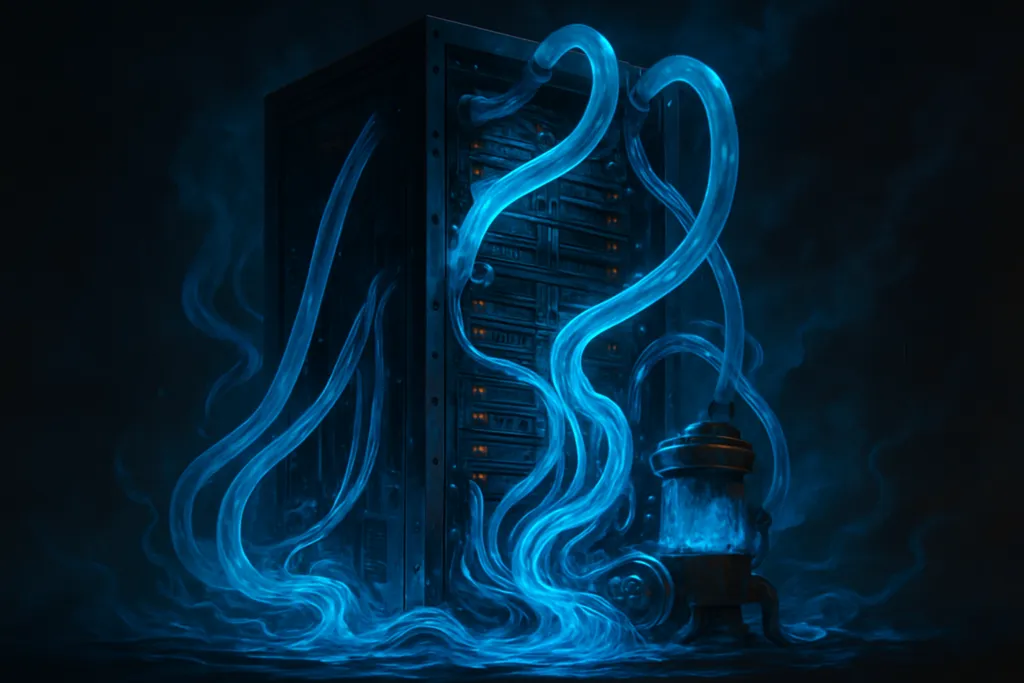
The most significant physical challenge posed by the AI boom is the massive increase in power density. A standard data center rack in 2023 consumed about 10-15 kilowatts (kW) of power. By early 2026, AI-specific clusters are pushing power consumption to an astonishing 120kW to 150kW per rack [6]. This tenfold increase in density generates an immense amount of heat that traditional air-cooling systems simply cannot handle. This has created a critical, non-negotiable need for advanced cooling and power management solutions, making this segment one of the most compelling areas for AI infrastructure stocks. The shift is driving a revolution toward liquid cooling—both direct-to-chip and immersion cooling—and demanding a complete overhaul of the electrical infrastructure within and around data centers.
The Liquid Cooling Revolution
The companies providing these essential power and cooling solutions are the ultimate “pick and shovel” plays, as their products are required regardless of which AI model or chip ultimately wins the market.
Vertiv Holdings (VRT) is a prime example. Vertiv is a global leader in providing critical digital infrastructure and continuity solutions, with a rapidly growing focus on liquid cooling technologies. As hyperscalers transition to high-density AI racks, Vertiv’s modular data center solutions and advanced thermal management systems are becoming indispensable [6]. The company is positioned to capitalize on the multi-year upgrade cycle required to support the new power demands of AI.
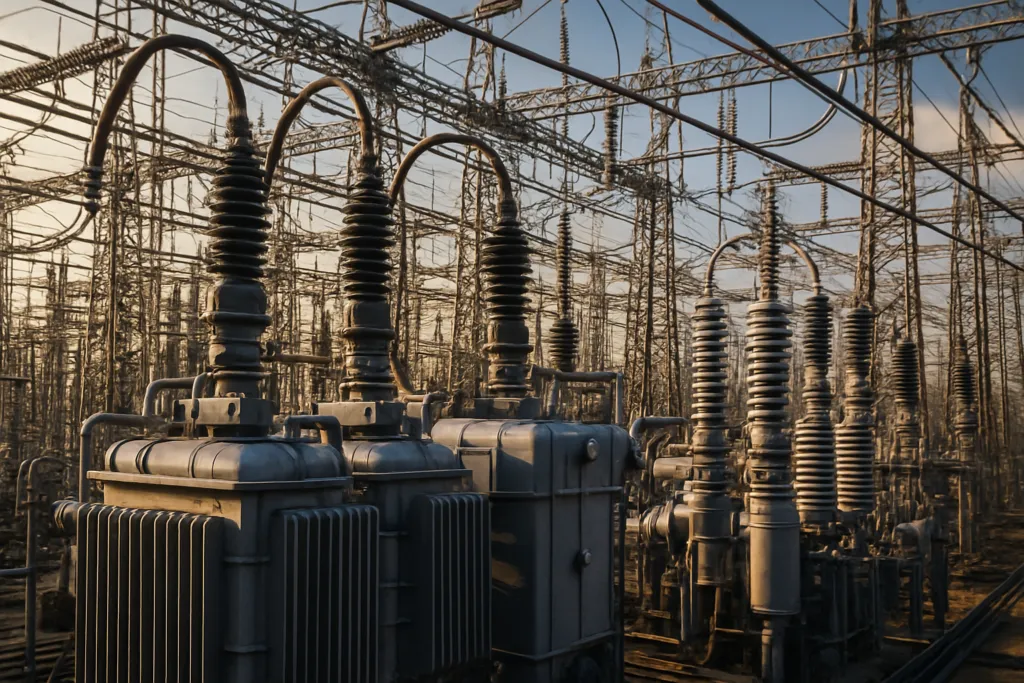
Eaton Corporation (ETN), often referred to as the “Power Manager,” is another critical infrastructure player. Eaton provides the electrical components—from uninterruptible power supplies (UPS) to switchgear and power distribution units—that manage the flow of electricity to these power-hungry data centers [7]. The company is deeply embedded in the industrial super-cycle driven by AI, as every new data center, and every upgrade to an existing one, requires Eaton’s mission-critical power management technology.
| Data Center Power Density | 2023 Standard Rack | 2026 AI Rack (Projected) | Implication for Infrastructure |
|---|---|---|---|
| Power Consumption | 10-15 kW | 120-150 kW | Requires massive upgrades to power distribution and utility grid capacity. |
| Cooling Method | Air Cooling | Liquid Cooling (Direct-to-Chip/Immersion) | Drives demand for specialized thermal management systems (e.g., Vertiv). |
| Energy Source | Standard Grid | Increased focus on on-site generation and grid stability. | Benefits power management companies (e.g., Eaton) and utilities. |
The Real Estate of AI: Data Center REITs
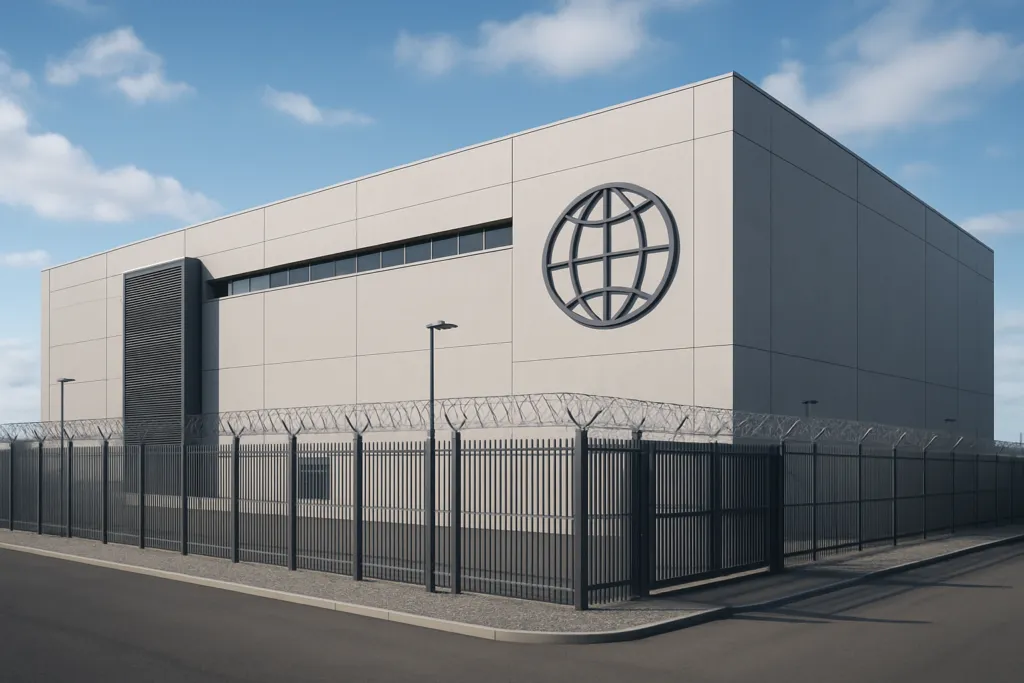
The physical space to house the AI infrastructure is a finite and increasingly valuable resource. This is the domain of Data Center Real Estate Investment Trusts (REITs), which own and operate the specialized facilities that hyperscalers lease. These companies offer a unique investment profile: they combine the high-growth potential of the AI sector with the stability and recurring revenue of real estate. The AI boom has fundamentally altered the demand profile for these REITs, shifting the focus from simple square footage to the ability to deliver massive amounts of power and cooling capacity. The long-term, sticky nature of their leases, often with built-in escalators, provides a resilient revenue stream that is highly attractive to investors seeking stability amid tech volatility.
Recurring Revenue and Global Reach
The leading Data Center REITs are strategically positioned to benefit from the multi-year AI build-out.
Equinix (EQIX) is the world’s largest data center and colocation provider, known for its vast global footprint and high-interconnection capabilities. Equinix’s value proposition in the AI era is its ability to connect enterprises directly to cloud providers and AI services, a critical need for companies adopting AI [8]. Its recurring revenue model and global scale make it a foundational holding for investors seeking exposure to the AI real estate market.
Digital Realty Trust (DLR) is another major player, focusing on providing hyperscale and enterprise data center solutions. Digital Realty has been actively raising capital, including launching a U.S. Hyperscale Data Center Fund, to support up to $10 billion in data center investments, explicitly targeting the AI-driven demand [9]. Their focus on providing massive, power-dense facilities for the largest AI clusters positions them directly in the path of the hyperscaler capex wave.
| Data Center REITs: Key Metrics for AI Investors | Equinix (EQIX) | Digital Realty (DLR) |
|---|---|---|
| Primary Focus | Interconnection, Global Colocation, Enterprise | Hyperscale, Large-Scale AI Deployments |
| Revenue Model | Recurring, Long-Term Leases | Recurring, Long-Term Leases |
| AI Advantage | Direct connectivity to cloud and AI services (Interconnection) | Ability to deliver massive, power-dense capacity (Hyperscale) |
| Investment Profile | Stability, Global Diversification, High Interconnection Fees | Scale, Direct Exposure to Hyperscaler Capex |
Beyond the Tech Stack: The Industrial “Pick and Shovel”
While the core infrastructure is dominated by tech-adjacent companies, the “pick and shovel” thesis extends into the industrial and utility sectors. The sheer physical demands of the AI build-out require massive amounts of construction, specialized engineering, and a reliable, upgraded power grid. These non-tech stocks offer a more diversified and often less-appreciated way to invest in the AI boom.
For example, companies involved in the construction and engineering of these massive data center campuses, such as EMCOR Group (EME), are seeing a surge in demand for their services [10]. Similarly, the immense power requirements are driving demand for companies that provide large-scale power generation and transmission equipment. This includes industrial giants like Cummins (CMI), which provides backup power generators, and GE Vernova (GEV), which is involved in the energy transition and grid modernization required to support the new energy load. Investing in these industrial players provides exposure to the AI supercycle without the high valuations and volatility of the pure-tech sector.
Conclusion: Translating Infrastructure Knowledge into Action
The investment narrative for AI is evolving. The initial phase, characterized by a singular focus on the chipmakers, is giving way to a more mature, infrastructure-centric phase. For investors in 2026, the most prudent and potentially most rewarding strategy is to look beyond the “gold” and focus on the AI infrastructure stocks—the “pick and shovel” providers. These companies—in networking, cooling, power management, and specialized real estate—are essential, non-negotiable components of the AI ecosystem. Their growth is directly tied to the multi-year, multi-trillion-dollar capital expenditure plans of the world’s largest technology companies, offering a more durable and predictable path to returns.
The practical action for the discerning investor is to build a diversified portfolio across this infrastructure layer. This means allocating capital to companies that provide the high-speed connectivity (Broadcom, Arista), the critical power and thermal management (Vertiv, Eaton), and the physical real estate (Equinix, Digital Realty). By focusing on these foundational elements, investors can capture the sustained, industrial-scale growth of the AI revolution while mitigating some of the speculative risk associated with the front-end AI model and chip wars. The future of AI is being built today, and the companies providing the tools for that construction are the ones set to deliver the most reliable long-term value.
Frequently Asked Questions (FAQ)
What is the “pick and shovel” investment strategy in the context of AI?
The “pick and shovel” strategy involves investing in the companies that provide the essential tools, infrastructure, and services needed by the high-growth sector, rather than investing directly in the high-growth companies themselves. For AI, this means investing in the companies that build, power, and connect the data centers, such as networking, cooling, and data center real estate firms, rather than just the chipmakers or AI software companies.
Why is the focus shifting from AI chips to AI infrastructure in 2026?
The shift is driven by the physical limitations of scaling AI. The massive increase in power consumption and heat generation from advanced GPUs has created bottlenecks in networking, cooling, and power supply. Hyperscalers are now spending hundreds of billions to resolve these infrastructure issues, creating a massive, multi-year demand cycle for AI infrastructure stocks.
What are the biggest risks to investing in AI infrastructure stocks?
The primary risks include a sudden slowdown in hyperscaler capital expenditure (capex), which is currently not anticipated but remains a possibility. Other risks include technological obsolescence (e.g., a new cooling method that disrupts the market), and regulatory hurdles related to energy consumption and data center expansion.
Are Data Center REITs a good way to invest in AI infrastructure?
Yes, Data Center REITs like Equinix and Digital Realty offer a stable, recurring-revenue way to invest in the AI boom. Their value is tied to providing the physical space and power capacity that AI clusters require. They benefit from long-term leases with built-in escalators, providing a real estate-backed investment with high-tech growth exposure.
How does the power density increase affect AI infrastructure companies?
The power density of AI server racks is projected to increase tenfold by 2026 (from ~15kW to ~150kW). This necessitates a complete shift from traditional air cooling to advanced liquid cooling solutions, directly benefiting companies like Vertiv, and driving massive demand for power management and distribution equipment from companies like Eaton.
The AI infrastructure landscape is complex and rapidly evolving. Share your thoughts and questions about the “pick and shovel” strategy in the comments below. Which infrastructure stock do you believe is best positioned for 2026, and why? Subscribe to our newsletter for more in-depth analysis on the future of technology investing.
References
[1] Goldman Sachs. (2025, December 18). Why AI Companies May Invest More than $500 Billion in 2026. https://www.goldmansachs.com/insights/articles/why-ai-companies-may-invest-more-than-500-billion-in-2026
[2] BlackRock. (2025, December 18). AI stocks, alternatives, and the new market playbook for 2026. https://www.blackrock.com/us/financial-professionals/insights/ai-stocks-alternatives-and-the-new-market-playbook-for-2026
[3] Financial Content. (2026, January 1). The Second Wave: Top AI Stock Picks for 2026 and the Rise of the Infrastructure Giants. https://markets.financialcontent.com/stocks/article/marketminute-2026-1-1-the-second-wave-top-ai-stock-picks-for-2026-and-the-rise-of-the-infrastructure-giants
[4] Yahoo Finance. (2026, January 4). The 3 Best AI Stocks to Buy in January 2026. https://www.fool.com/investing/2026/01/04/once-in-decade-3-best-ai-stocks-buy-2026-nvda-meta/
[5] Exoswan. (2025, December 11). Top AI Infrastructure Stocks 2026: Data Center Picks & …. https://exoswan.com/ai-infrastructure-stocks
[6] Financial Content. (2026, January 2). The Cooling Heart of the AI Era: A Deep-Dive into Vertiv Holdings (VRT). https://markets.financialcontent.com/wral/article/predictstreet-2026-1-2-the-cooling-heart-of-the-ai-era-a-deep-dive-into-vertiv-holdings-vrt
[7] Sahm Capital. (2025, December 23). Top AI Infrastructure Stocks For 2026 Industrial Super-Cycle. https://www.sahmcapital.com/news/content/top-ai-infrastructure-stocks-for-2026-industrial-super-cycle-2025-12-23
[8] Ainvest. (2026, January 2). Why Equinix Is a Strategic Buy for 2026: A Deep Dive into Recurring Revenue, AI Demand, and Global Expansion. https://www.ainvest.com/news/equinix-strategic-buy-2026-deep-dive-recurring-revenue-ai-demand-global-expansion-2601/
[9] Nasdaq. (2025, December 27). The Overlooked Winners in the AI Gold Rush. https://www.nasdaq.com/articles/power-grids-data-centers-overlooked-winners-ai-gold-rush-0
[10] Investing.com. (2026, January 1). 3 Picks-and-Shovels Ways to Invest in AI Without Betting on Chipmakers. https://www.investing.com/analysis/3-picksandshovels-ways-to-invest-in-ai-without-betting-on-chipmakers-200672464