
Introduction
In times of economic uncertainty, the echoes of past recessions often bring a sense of apprehension. Yet, history reveals that these periods, while challenging, have also been crucibles for significant wealth creation. Understanding the lessons from past recessions: habits that built real wealth is not merely an academic exercise; it’s a practical guide for navigating today’s financial landscape. This article will delve into the strategies and mindsets adopted by individuals and entities who not only weathered economic storms but emerged stronger, offering invaluable insights into building lasting prosperity even when the markets falter. We will explore key financial principles, examine historical examples, and distill actionable habits that can empower you to transform adversity into opportunity.
Table of Contents
Understanding the Economic Cycle: Recessions as Opportunities
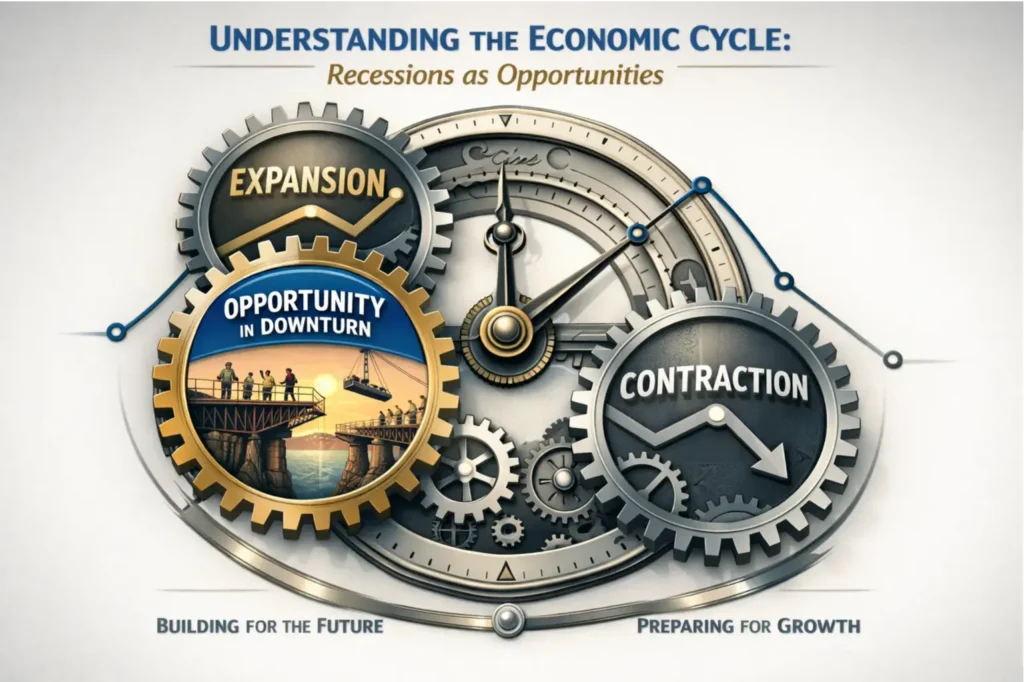
Economic cycles are an inherent part of market dynamics, characterized by periods of expansion and contraction. Recessions, often marked by reduced economic activity, job losses, and market volatility, can instill fear and lead to panic. However, a deeper look into history reveals that these downturns often present unique opportunities for those prepared to act strategically. Understanding the underlying causes and typical patterns of recessions is the first step toward leveraging them for wealth accumulation. This section will explore the historical context of major recessions, such as the Great Depression and the 2008 financial crisis, and discuss how these periods, despite their immediate challenges, set the stage for future growth and innovation. We will also examine the psychological impact of recessions on investors and consumers, emphasizing the importance of a long-term perspective over short-term reactions. By recognizing recessions as temporary phases within a larger economic narrative, individuals can shift their focus from fear to foresight, identifying undervalued assets and emerging trends that pave the way for significant financial gains. The ability to remain calm and analytical during widespread panic is a hallmark of successful wealth builders, allowing them to make informed decisions when others are driven by emotion. This historical perspective provides a crucial foundation for understanding why certain habits prove resilient and profitable across different economic eras.
The Anatomy of a Recession: Causes and Characteristics
Historical Overview: Major Recessions and Their Impact
Core Habits of Recession-Resilient Wealth Builders
Successful navigation of economic downturns often hinges on a set of fundamental financial habits that transcend specific market conditions. These are not merely reactive measures but proactive strategies cultivated over time. One of the most critical habits is maintaining a robust emergency fund, providing a financial cushion against unexpected job loss or market volatility. This liquid reserve prevents forced selling of assets at unfavorable prices. Another cornerstone is disciplined saving and investing, particularly during downturns when assets may be undervalued. This counter-intuitive approach, often referred to as
“buying the dip,” has been a key strategy for many who have built significant wealth. Furthermore, a commitment to continuous learning and skill development enhances one’s value in the job market, providing a hedge against unemployment. This section will delve into these and other essential habits, such as prudent debt management and living below one’s means, providing a comprehensive framework for financial resilience. We will also explore the mindset of successful investors, who view recessions not as crises but as opportunities to acquire quality assets at a discount. By adopting these habits, individuals can build a strong financial foundation that not only withstands economic shocks but also capitalizes on them for long-term growth.
The Power of Liquidity: Maintaining a Strong Cash Reserve
Frugality and Smart Spending: Living Below Your Means
Continuous Learning and Skill Enhancement
Strategic Investing During Downturns
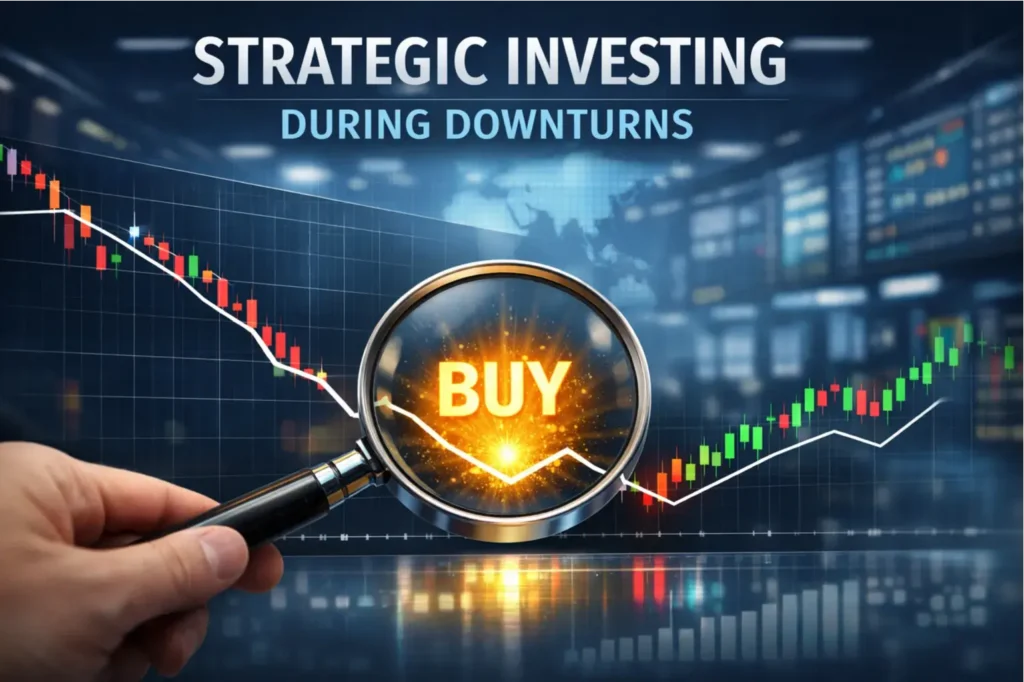
Investing during a recession requires a blend of courage, patience, and strategic foresight. While market downturns can be intimidating, they often present the most attractive entry points for long-term investors. The key is to focus on fundamental value rather than short-term market sentiment. This section will explore various investment strategies that have proven effective during past recessions. We will discuss the importance of diversification across different asset classes, including stocks, bonds, and real estate, to mitigate risk. Additionally, we will examine the concept of dollar-cost averaging, a technique that involves investing a fixed amount of money at regular intervals, which can help smooth out the effects of volatility. The section will also highlight the characteristics of companies that tend to perform well during and after recessions, such as those with strong balance sheets, low debt, and essential products or services. By focusing on quality and maintaining a long-term perspective, investors can turn market turmoil into a powerful engine for wealth creation.
Identifying Undervalued Assets: A Value Investing Approach
The Role of Diversification in Risk Management
Long-Term Perspective: Avoiding Panic Selling
Entrepreneurship and Innovation in Recessions

Contrary to popular belief, recessions can be fertile ground for entrepreneurship and innovation. Many successful companies, including General Motors, Disney, and Microsoft, were founded during economic downturns. This section will explore the unique opportunities that recessions create for new businesses. We will discuss how lower operating costs, reduced competition, and a greater availability of talent can provide a strategic advantage for startups. The section will also feature case studies of companies that not only launched during recessions but went on to become industry leaders. By examining their stories, we can identify common themes and strategies, such as a focus on solving pressing customer problems and a lean, agile approach to business operations. This exploration will provide inspiration and practical advice for aspiring entrepreneurs who see opportunity where others see crisis.
Historical Examples of Companies Founded in Recessions
| Company | Founding Year | Recession Period |
|---|---|---|
| General Motors | 1908 | Panic of 1907 |
| Disney | 1929 | The Great Depression |
| Microsoft | 1975 | 1973–75 recession |
| Airbnb | 2008 | The Great Recession |
Identifying New Market Needs and Gaps
The Advantages of a Lean Startup Mentality
Conclusion
Recessions, while challenging, are not insurmountable obstacles to financial success. As history has repeatedly shown, they are periods of immense opportunity for those who are prepared, disciplined, and forward-thinking. The core habits of maintaining liquidity, living below one’s means, and continuously learning, combined with strategic, long-term investing and an entrepreneurial spirit, form a powerful blueprint for building real wealth. By embracing the lessons from past recessions, we can transform our approach to economic downturns, viewing them not as times of crisis, but as moments to sow the seeds of future prosperity. The key is to remain focused on fundamental principles, resist the pull of fear and panic, and have the courage to act when others are hesitant. The habits that build wealth during recessions are the same habits that sustain it over the long term, providing a timeless guide to financial well-being.
FAQ Section
What is the single most important habit for building wealth during a recession?
While several habits are crucial, maintaining a strong cash reserve or emergency fund is arguably the most important. It provides the financial stability to avoid selling assets at a loss and the flexibility to seize investment opportunities when they arise.
Is it better to pay off debt or invest during a recession?
This depends on the interest rate of the debt. High-interest debt, such as credit card balances, should be prioritized. Once high-interest debt is managed, investing in undervalued assets can offer higher long-term returns.
How can I overcome the fear of investing during a market downturn?
Education and a long-term perspective are key. Understanding that market downturns are a normal part of the economic cycle and that markets have historically recovered can help build confidence. Starting with small, regular investments (dollar-cost averaging) can also reduce the emotional impact of volatility.
Are there any specific industries that tend to perform well during recessions?
Yes, defensive sectors such as consumer staples (food, beverages, household goods), healthcare, and utilities tend to be more resilient because their products and services are in constant demand, regardless of the economic climate.
Should I try to start a business during a recession?
Starting a business during a recession can be advantageous due to lower costs and less competition. However, it requires a solid business plan, a clear value proposition, and a lean operational model. Many successful companies have been founded during economic downturns.
We hope this article has provided you with valuable insights into building wealth during economic downturns. What are your thoughts on these strategies? Share your experiences and questions in the comments below. For more in-depth financial analysis and wealth-building tips, consider subscribing to our newsletter.
References
- 4 Key Financial Lessons from the Last Recession
- Millionaire who has ‘weathered recessions’: What I’m doing with my …
- 13 Massive Companies That Started During a Recession