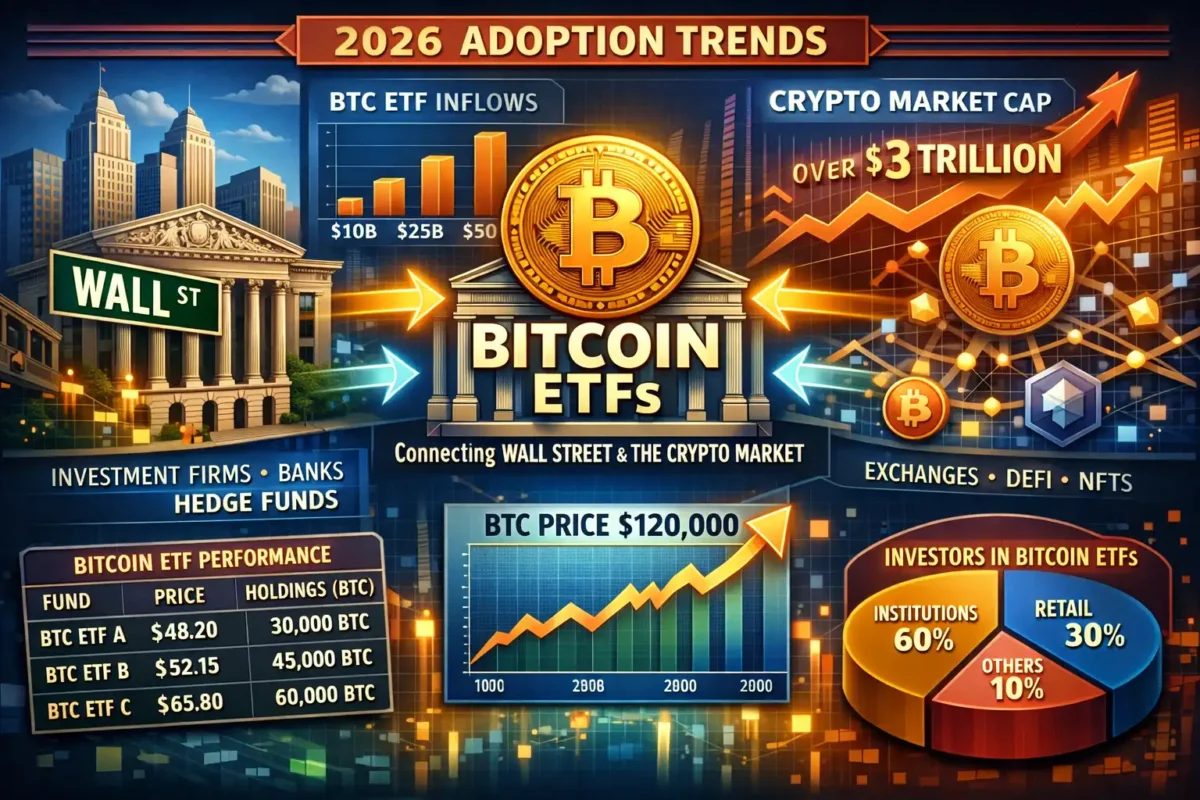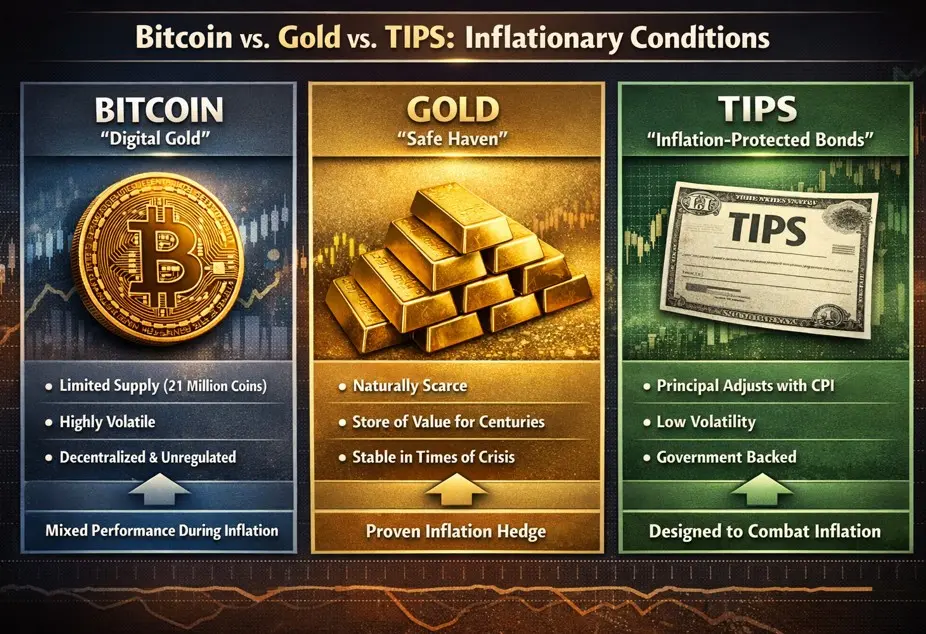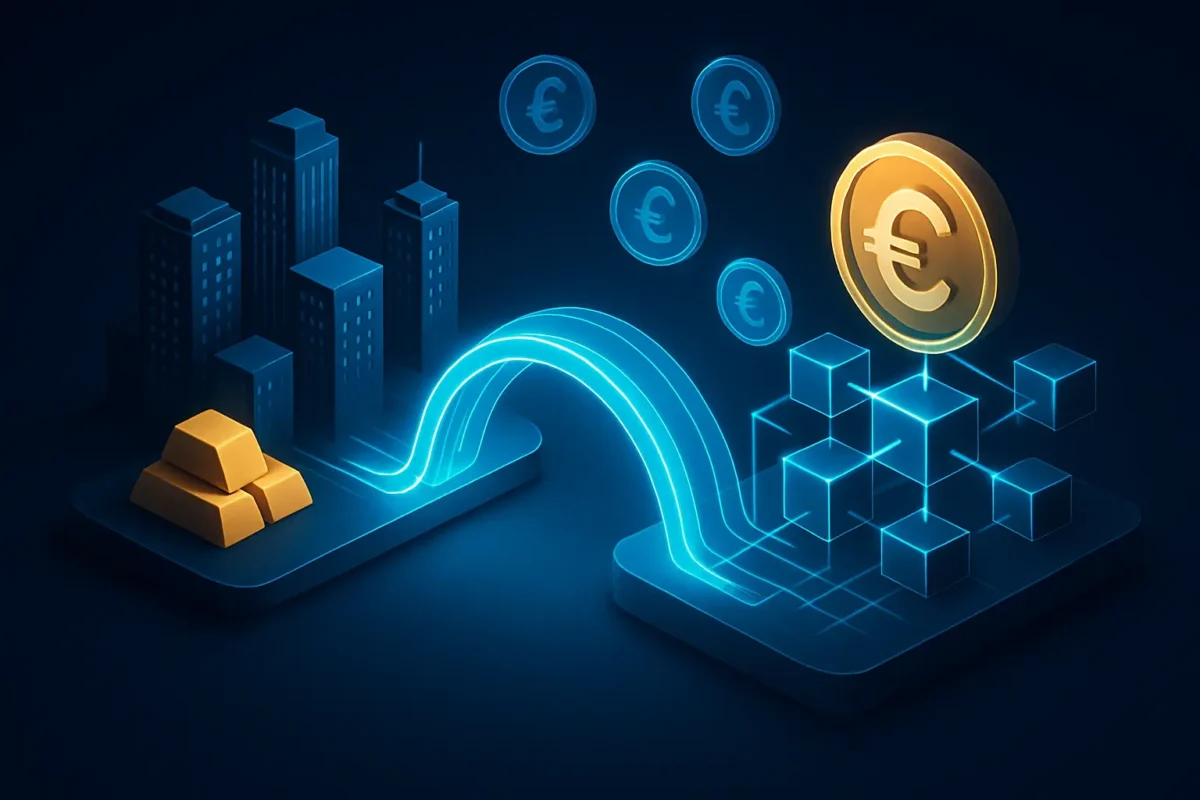
The convergence of traditional finance and decentralized technology has ushered in a new era of investment, with the tokenization of Real-World Assets (RWAs) emerging as the most significant narrative in the crypto space. This process involves converting the value of tangible and intangible assets—from real estate and fine art to government bonds and private credit—into digital tokens on a blockchain. The profound implications of this shift are only just beginning to be understood, but the core appeal is clear: unlocking immense value and creating unprecedented accessibility. The powerful RWA tokenization benefits are driving institutional adoption at a pace few could have predicted, fundamentally reshaping capital markets. By bridging the gap between trillions of dollars in global assets and the efficiency of blockchain technology, RWA tokenization is not merely a trend; it is the inevitable digital transformation of asset ownership, promising to democratize wealth and enhance market efficiency for investors worldwide.
Understanding the Fundamentals of RWA Tokenization
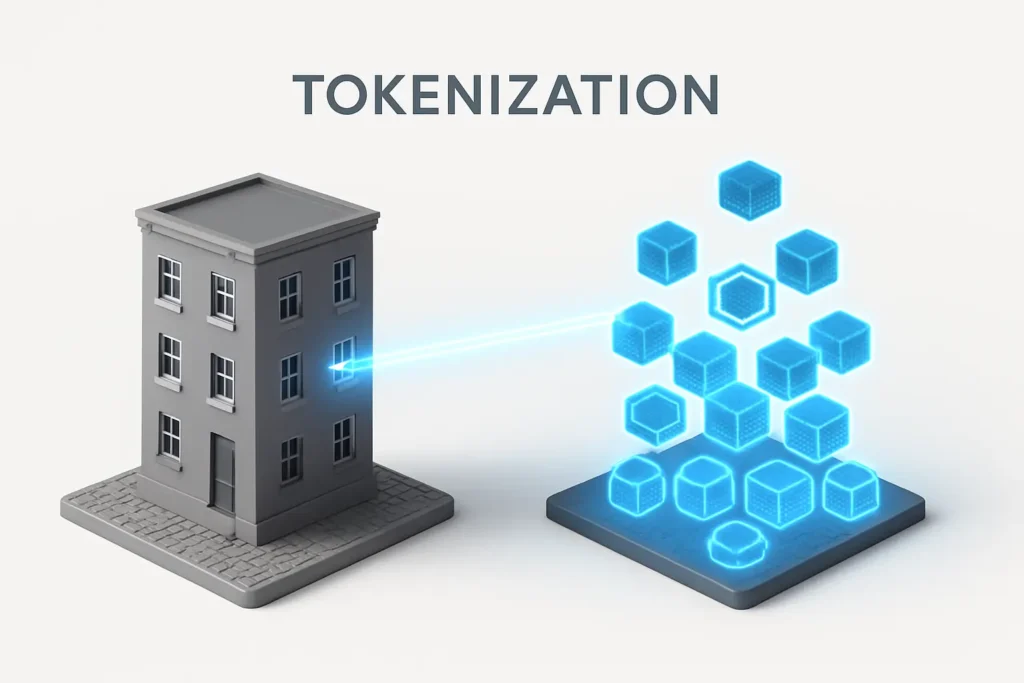
The concept of tokenization is deceptively simple yet revolutionary in its execution. It is the process of issuing a digital token on a blockchain that represents a direct, verifiable claim on an underlying physical or financial asset. This mechanism transforms traditionally illiquid assets into programmable, divisible, and easily transferable digital securities. To fully grasp the magnitude of this shift, it is essential to define the core components and the technical process that underpins this financial innovation.
What are Real-World Assets (RWAs)?
Real-World Assets encompass any asset with tangible value that exists outside the native crypto ecosystem. This includes physical assets like land, buildings, gold, and commodities, as well as financial assets such as equities, corporate bonds, private credit, and intellectual property. Historically, these assets have been governed by complex legal frameworks, requiring extensive paperwork, centralized custodians, and slow, costly settlement processes. The sheer volume of this market is staggering, with estimates suggesting that the total value of all global assets far exceeds the current crypto market capitalization, making the RWA sector the largest potential growth vector for blockchain technology.
How Tokenization Works: From Physical to Digital
The tokenization process is a multi-step journey that securely links the physical asset to its digital representation. It begins with the legal structuring of the asset, ensuring that the token legally represents ownership or a beneficial interest in the underlying asset. Next, the asset is digitally represented by minting tokens on a chosen blockchain (e.g., Ethereum, Solana, Avalanche). These tokens are essentially smart contracts that contain all the relevant information about the asset, including ownership rights, valuation data, and compliance rules. Finally, the asset is placed under the custody of a regulated entity, and the tokens are made available for trading. This digital wrapper allows for automated management of dividends, voting rights, and compliance, all enforced by the smart contract.
The Core RWA Tokenization Benefits for Investors and Institutions
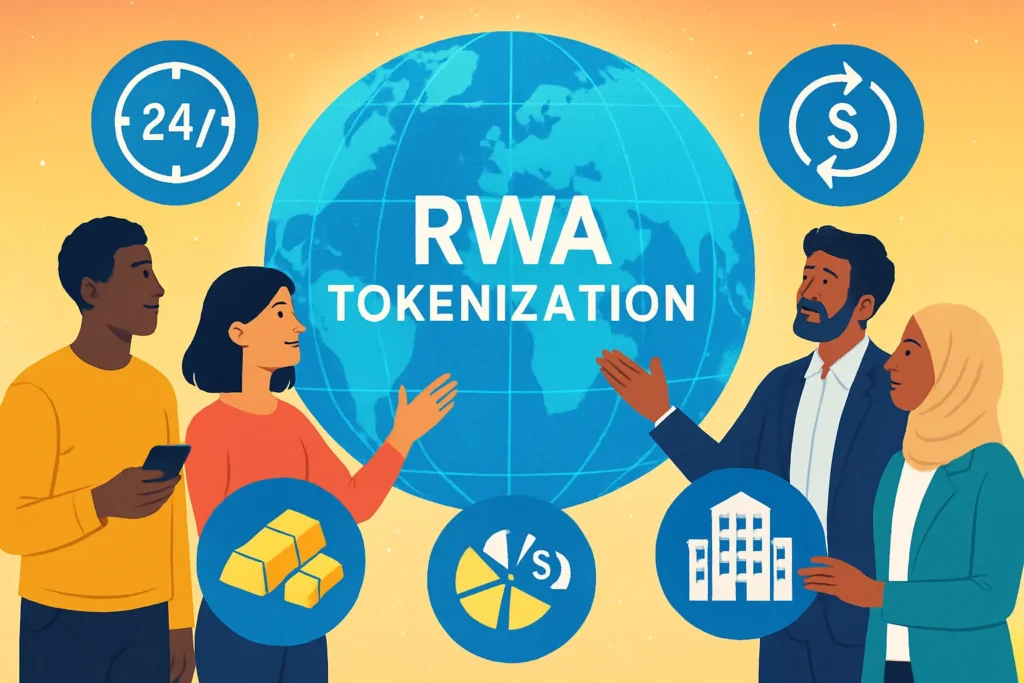
The primary driver behind the rapid growth of this sector is the compelling suite of RWA tokenization benefits it offers to all market participants. These advantages address long-standing inefficiencies in traditional finance (TradFi), promising a more equitable, efficient, and accessible global financial system.
Democratizing Access through Fractional Ownership
One of the most transformative benefits is the ability to enable fractional ownership. Assets like commercial real estate or high-value fine art are typically reserved for ultra-high-net-worth individuals or large institutional funds. Tokenization allows these assets to be divided into thousands of smaller, affordable tokens, effectively lowering the barrier to entry for retail investors globally. An investor can now own a small, liquid piece of a skyscraper or a private equity fund, diversifying their portfolio in ways previously impossible. This democratization of investment capital is a powerful engine for wealth creation and financial inclusion.
Enhanced Liquidity and 24/7 Market Access
Illiquidity has long been the bane of private markets. Selling a piece of real estate or a stake in a private company can take months or even years. Tokenization transforms these assets by making them tradable on secondary markets, often 24 hours a day, 7 days a week. This continuous market access, combined with the ease of transfer on a blockchain, dramatically enhances liquidity. For asset owners, this means faster access to capital; for investors, it means greater flexibility and the ability to exit positions quickly.
Operational Efficiency and Cost Reduction
The traditional process of asset transfer is riddled with intermediaries—brokers, custodians, lawyers, and clearing houses—each adding time, complexity, and cost. By leveraging smart contracts, tokenization automates many of these functions, leading to significant operational efficiencies. Settlement times, which can take days (T+2 or T+3) in traditional markets, are reduced to near-instantaneous (T+0) finality on the blockchain. This reduction in friction and reliance on manual processes translates directly into lower transaction costs for both issuers and investors.
| Feature | Traditional Asset Ownership | Tokenized Asset Ownership |
|---|---|---|
| Minimum Investment | High (often $100k+) | Low (can be $100 or less) |
| Liquidity | Low (months/years to sell) | High (24/7 secondary markets) |
| Settlement Time | T+2 or T+3 (Days) | T+0 (Seconds/Minutes) |
| Transparency | Low (Private ledgers) | High (On-chain, auditable) |
| Intermediaries | Many (Brokers, Custodians) | Few (Smart Contracts, Issuer) |
Major Asset Classes Leading the Tokenization Charge
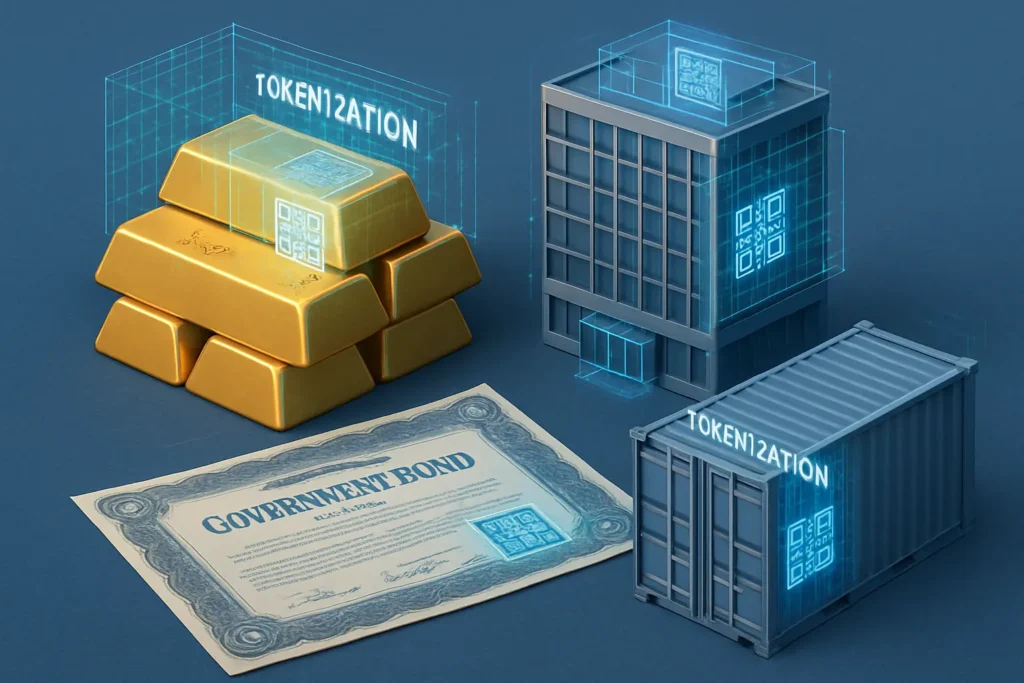
While virtually any asset can be tokenized, certain classes are leading the charge due to their inherent illiquidity and high value. The market is currently dominated by two major categories: financial instruments and real assets.
Real Estate: The $16 Trillion Opportunity
Real estate is arguably the most compelling use case for RWA tokenization. As the largest asset class globally, it is notoriously illiquid and inaccessible. Tokenization solves this by allowing a property to be fractionalized and traded globally. According to a report by the Boston Consulting Group (BCG), the tokenized asset market is conservatively projected to reach $16 trillion by 2030 [1], with real estate expected to be a dominant segment. This massive market shift is driven by the potential to unlock capital for developers and provide passive income streams to a global investor base through automated rent and dividend distributions via smart contracts.
Tokenized Treasuries and the Rise of On-Chain Yield
The tokenization of U.S. Treasury bills and government bonds has become a cornerstone of institutional RWA adoption. These assets offer a low-risk, regulated yield that is highly attractive to both crypto-native and traditional investors. By tokenizing these instruments, platforms can offer on-chain yield to DeFi protocols, providing a stable, real-world return that is fully collateralized by sovereign debt. This integration brings the stability of TradFi into the volatile crypto ecosystem, serving as a critical bridge for institutional capital.
Private Credit and Commodities
Beyond the giants of real estate and bonds, private credit—loans made to small and medium-sized enterprises (SMEs)—is a rapidly growing tokenized sector. This market is typically opaque and restricted, but tokenization offers a transparent, efficient way for investors to participate in high-yield debt markets. Similarly, commodities like gold, silver, and even carbon credits are being tokenized. This allows for easier trading and verifiable ownership without the logistical burdens of physical storage and transfer, making these assets more fungible and accessible.
Institutional Adoption: The BlackRock and Franklin Templeton Effect
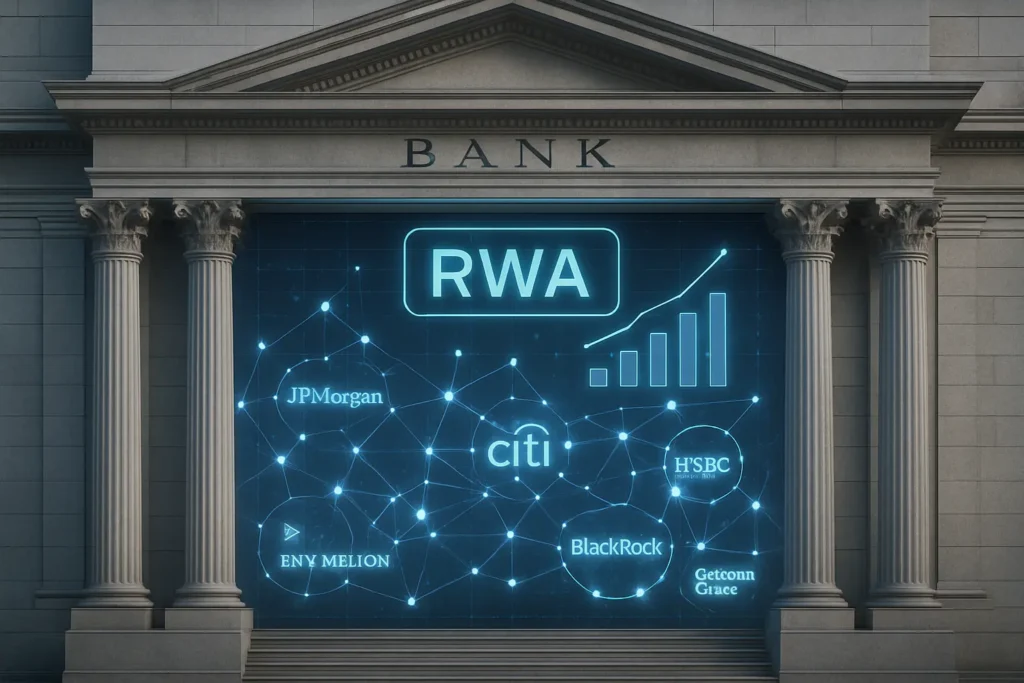
The true validation of the RWA narrative comes from the active participation of the world’s largest financial institutions. Their entry signals that tokenization has moved beyond experimental status and is now a core component of their long-term strategy.
Case Study: BlackRock’s BUIDL Fund
The launch of BlackRock’s USD Institutional Digital Liquidity Fund (BUIDL) in 2024 was a watershed moment. BUIDL is a tokenized money market fund that holds U.S. Treasury bills and repurchase agreements, allowing investors to subscribe and redeem using stablecoins on the Ethereum blockchain. By April 2025, BUIDL’s assets under management (AUM) had rapidly grown to over $1.92 billion [2], demonstrating the immense institutional demand for on-chain access to regulated, high-quality assets. This move by the world’s largest asset manager not only validates the technology but also sets a new standard for how institutional capital will interact with blockchain networks.
The Role of Traditional Finance (TradFi) Giants
BlackRock is not alone. Franklin Templeton, another financial giant, has been a pioneer with its Franklin OnChain U.S. Government Money Fund (FOBXX), which has surpassed $420 million in AUM and is available on multiple blockchains [3]. These institutions are leveraging tokenization to:
- Reduce Costs: Streamlining back-office operations and reducing settlement risk.
- Expand Distribution: Tapping into a global, 24/7 investor base that is native to the digital asset ecosystem.
- Enhance Transparency: Providing real-time, auditable proof of reserves and ownership on a public ledger.
The involvement of these TradFi giants is critical, as they bring the necessary regulatory compliance, capital, and trust required to scale the RWA market from billions to trillions of dollars.
Navigating the Regulatory and Technical Challenges
While the RWA tokenization benefits are clear, the path to mass adoption is not without hurdles. The primary challenges lie in establishing clear regulatory frameworks and ensuring the technical integrity of the digital-to-physical link.
Global Regulatory Frameworks (MiCA, VARA)
The regulatory landscape is rapidly evolving to accommodate tokenized assets. In the European Union, the Markets in Crypto-Assets (MiCA) regulation provides a comprehensive framework for digital assets, offering much-needed clarity for issuers and investors. Similarly, jurisdictions like the UAE, through the Virtual Assets Regulatory Authority (VARA), are finalizing rulebooks that specifically address the tokenization of real-world assets. This global push toward regulatory clarity is essential, as tokenized assets must comply with existing securities laws while leveraging the unique capabilities of blockchain technology. The long-term success of RWA tokenization hinges on the ability of issuers to operate within clear, compliant legal structures.
Security, Interoperability, and Oracle Reliability
Technically, the security of the underlying smart contracts is paramount, as any vulnerability could expose the asset’s value. Furthermore, interoperability—the ability for tokenized assets to move seamlessly between different blockchains and traditional financial systems—is a key technical challenge. Finally, the reliability of oracles, which are decentralized data feeds that connect the real-world status and valuation of an asset to its on-chain token, is crucial. If the oracle data is inaccurate or compromised, the integrity of the tokenized asset is jeopardized. Continuous innovation in zero-knowledge proofs (ZKPs) and advanced oracle solutions is actively addressing these technical risks.
The Future Outlook: RWA Trends to Watch in 2026
Looking ahead to 2026, the RWA tokenization market is poised for explosive growth, driven by several key trends:
- The Rise of DeFi-TradFi Integration: We will see deeper integration between tokenized assets and decentralized finance (DeFi) protocols. Tokenized bonds and treasuries will become the preferred collateral for lending and borrowing protocols, bringing stability and a reliable yield source to DeFi.
- Focus on Private Equity and Venture Capital: Tokenization will increasingly target illiquid private market assets, providing early liquidity windows for venture capital funds and private equity firms, transforming how capital is raised and managed in these sectors.
- ESG and Sustainable Assets: The tokenization of environmental, social, and governance (ESG) assets, such as carbon credits and green bonds, will accelerate. Blockchain’s transparency will provide verifiable proof of impact, making sustainable investing more trustworthy and accessible.
- Sovereign Digital Currencies (CBDCs) as Settlement Layers: The eventual rollout of Central Bank Digital Currencies (CBDCs) will likely serve as a secure, regulated settlement layer for tokenized assets, further streamlining transactions and reducing counterparty risk.
The market is moving from a phase of proof-of-concept to one of full-scale deployment, cementing RWA tokenization as the dominant narrative for the next cycle of financial innovation.
Conclusion
The tokenization of Real-World Assets represents a fundamental, irreversible shift in the architecture of global finance. By digitizing assets, we are not just creating new investment products; we are solving decades-old problems of illiquidity, inaccessibility, and inefficiency. The powerful RWA tokenization benefits—from fractional ownership and 24/7 liquidity to massive operational cost savings—are too compelling for institutions and investors to ignore. With major financial players like BlackRock and Franklin Templeton actively deploying tokenized funds, and regulatory clarity emerging across key jurisdictions, the foundation for a trillion-dollar market is firmly in place. The future of finance is a hybrid one, where the stability of real-world assets is seamlessly merged with the efficiency and transparency of blockchain technology.
Frequently Asked Questions
What is the primary risk associated with RWA tokenization?
The main risk is the legal and technical link between the digital token and the physical asset. If the legal framework is unclear or the smart contract governing the token is flawed, the token may not confer the intended ownership rights, leading to legal and financial complications. This is why regulatory clarity and robust legal structuring are paramount for RWA projects.
How does RWA tokenization differ from traditional securitization?
Traditional securitization involves pooling assets and issuing securities, which is a complex, centralized, and slow process. RWA tokenization is more granular, allowing for fractional ownership of single assets, and uses decentralized, automated smart contracts for issuance and management, leading to faster settlement and greater transparency than traditional methods.
Can any asset be tokenized, and what is the most common asset class?
Theoretically, any asset with verifiable value can be tokenized. However, the most common and fastest-growing tokenized asset class is currently U.S. Treasury bills and government bonds, due to their high quality, low risk, and the strong institutional demand for on-chain yield. Real estate is projected to be the largest segment by value in the long term.
What role do oracles play in the RWA ecosystem?
Oracles are essential decentralized data feeds that connect the real-world data of an asset (e.g., property valuation, bond price, rent collection status) to the smart contract on the blockchain. They ensure that the digital token accurately reflects the real-time status and value of the underlying physical asset, maintaining the integrity of the tokenized system.
Is RWA tokenization only for institutional investors?
While institutional capital is driving the initial market growth and providing necessary liquidity, one of the core benefits of RWA tokenization is the democratization of access. Fractional ownership allows retail investors to participate in high-value assets like commercial real estate and private credit with significantly lower capital requirements than ever before.
The RWA revolution is unfolding now. Share your thoughts on which real-world asset from fine wine to infrastructure, you believe will be the next to be fully tokenized in the comments below.
References
[1] BCG Report: Tokenized Funds: The Third Revolution in Asset Management Decoded. Boston Consulting Group. [https://www.bcg.com/press/29october2024-tokenized-funds-the-third-revolution-in-asset-management-decoded]
[2] BlackRock BUIDL Fund Data. BlackRock. [https://www.blackrock.com/us/individual/products/335234/blackrock-usd-institutional-digital-liquidity-fund]
[3] Franklin OnChain U.S. Government Money Fund – FOBXX. Franklin Templeton. [https://www.franklintempleton.com/investments/options/money-market-funds/products/29386/SINGLCLASS/franklin-on-chain-u-s-government-money-fund/FOBXX]
[4] Asset Tokenization Market Size & Share Analysis. Mordor Intelligence. [https://www.mordorintelligence.com/industry-reports/asset-tokenization-market]
[5] Asset Tokenization in Financial Markets. World Economic Forum. [https://reports.weforum.org/docs/WEF_Asset_Tokenization_in_Financial_Markets_2025.pdf]