Introduction
Economic recessions are often described as rare disasters, but history tells a different story. Downturns are not accidents. They are recurring phases of the economic cycle, much like winters that follow summers. From the Great Depression of the 1930s, to the oil shocks of the 1970s, the dot-com crash, the 2008 global financial crisis, and the COVID-19 recession, the pattern repeats. Markets fall, jobs become uncertain, credit tightens, and fear spreads faster than facts. Yet, in every recession, some people survive with less stress, fewer losses, and sometimes even stronger financial positions. The difference is rarely intelligence, income, or luck. It is behavior. More specifically, it is money habits for recession that have been tested, broken, and proven over decades.
Today, this topic matters more than ever. Inflation shocks, rising interest rates, geopolitical uncertainty, and fragile global supply chains have reminded people that stability is never guaranteed. Many individuals still build their financial lives assuming tomorrow will look like yesterday. History punishes that assumption. Recessions expose weak habits quickly, but they also reward strong ones quietly. As Warren Buffett famously said, “Only when the tide goes out do you discover who’s been swimming naked.” Recessions reveal the true strength of financial behavior.
By the end of this article, you will not just know what money habits help during recessions. You will understand why they work, how they protected people in past crises, and how to apply them calmly in real life without panic or perfection. These are not trendy hacks or aggressive strategies. They are durable habits that survive stress. They are slow, sometimes boring, and deeply powerful. Most importantly, they are available to anyone willing to think long term and act with intention.
Table of Contents
Building Cash Reserves Before You Feel Safe
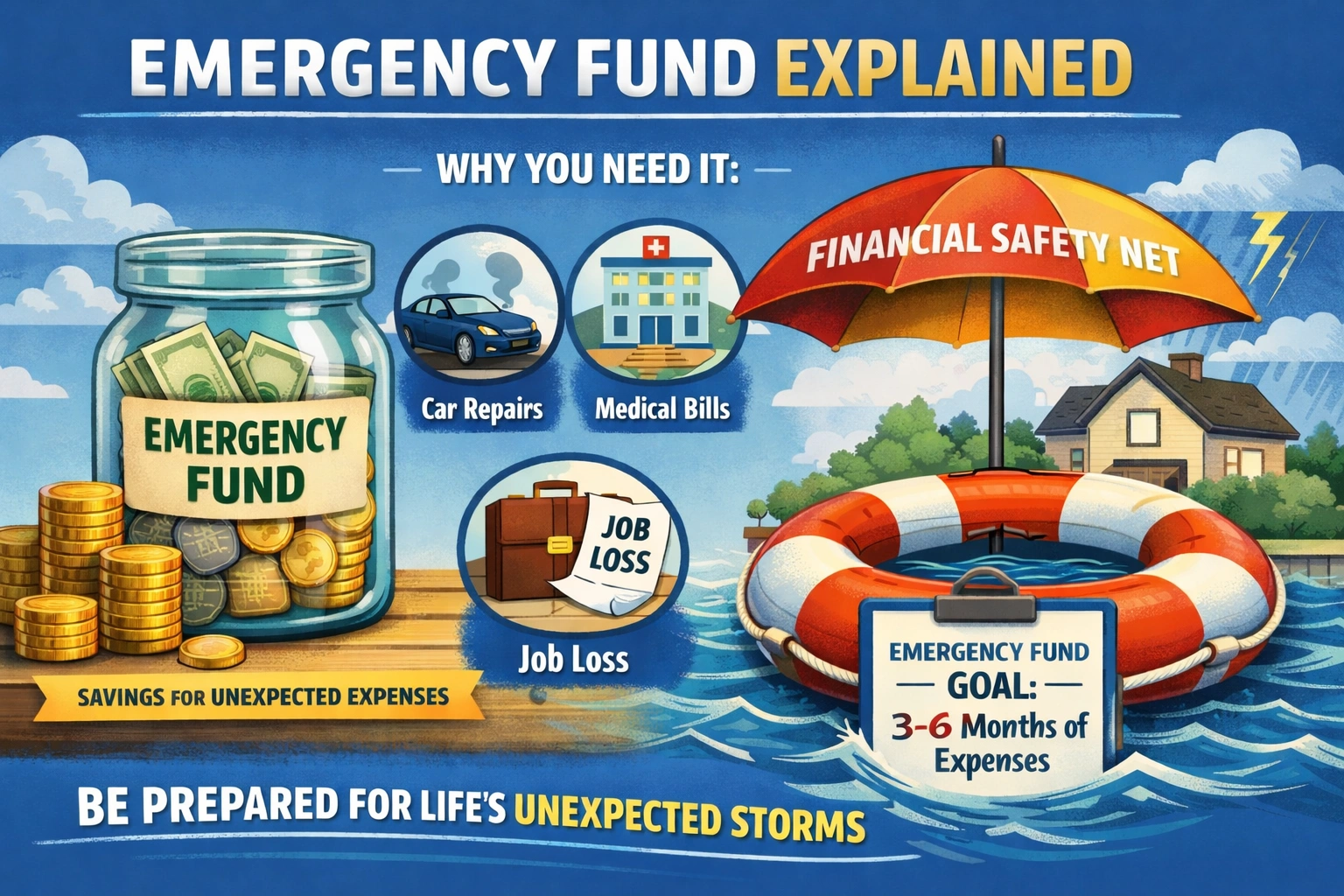
One of the most consistent lessons from every recession in modern history is that cash buys time, and time buys options. Before explaining how much cash to save or where to keep it, it is important to understand why this habit matters so deeply during economic downturns. Recessions do not usually begin with dramatic headlines. They begin quietly, with small job losses, tighter credit, and slower spending. People who live paycheck to paycheck often feel pressure immediately. Without cash reserves, even a short disruption can force bad decisions, such as selling investments at a loss, taking on high-interest debt, or accepting unfavorable work conditions out of desperation.
Historically, households with emergency savings fared significantly better during recessions. Data from the U.S. Federal Reserve after the 2008 crisis showed that families with even three months of expenses in cash were far less likely to default on loans or miss rent payments. Cash acts as financial shock absorbers. It does not generate high returns, but it prevents permanent damage. As economist John Maynard Keynes emphasized, liquidity during uncertainty is not a luxury; it is a necessity.
This money habit for recession is not about fear. It is about preparation. Cash gives psychological stability, which leads to better decisions. When you know you can cover essentials for months, you are less likely to panic when markets fall or layoffs appear in the news. That calm is an underrated financial asset.
Key principles of recession-proof cash habits:
- Maintain 3–6 months of essential living expenses in accessible accounts.
- Separate emergency savings from long-term investments.
- Prioritize liquidity over yield during uncertain periods.
- Treat cash as insurance, not as an investment failure.
Living Below Your Means When Times Are Good
Living below your means sounds simple, yet it is one of the most difficult money habits for recession to maintain, especially during economic expansions. When incomes rise and credit is easily available, lifestyle inflation quietly creeps in. People upgrade homes, cars, subscriptions, and daily spending to match their new income. The danger is not the spending itself, but the lack of margin it creates. When a recession hits, fixed expenses become traps.
History repeatedly shows that households with lower fixed costs recover faster from downturns. During the Great Recession, many foreclosures were not caused by irresponsible borrowing alone, but by over-commitment during good times. Mortgage payments, car loans, and consumer debt left no flexibility when incomes dropped. By contrast, individuals who intentionally lived below their means had room to breathe. They could reduce discretionary spending without sacrificing necessities.
This habit matters because recessions punish rigidity. The economy becomes less forgiving. Employers cut costs. Banks tighten lending. Opportunities shrink temporarily. Living below your means creates flexibility. It allows you to adapt rather than react. As behavioral economist Morgan Housel explains, “Wealth is what you don’t see.” The invisible gap between income and expenses is where resilience lives.
Importantly, this is not about deprivation. It is about intentional spending. People who practice this habit spend generously on what they value and ruthlessly cut what they do not. That mindset survives recessions because it is already optimized for constraint.
Characteristics of sustainable spending habits:
- Fixed expenses kept comfortably below income.
- Lifestyle choices designed for flexibility, not status.
- Avoidance of long-term obligations that depend on perfect conditions.
- Conscious distinction between wants and needs.
Avoiding High-Interest Debt as a Survival Strategy
Debt behaves very differently in recessions than it does in expansions. During good times, debt feels manageable, even helpful. Credit cards, personal loans, and buy-now-pay-later programs appear convenient and harmless. The problem is that high-interest debt compounds against you when income becomes uncertain. This is why avoiding or aggressively reducing high-interest debt is one of the most important money habits for recession survival.
Historically, recessions expose the fragility of debt-dependent households. During the 1970s stagflation period, rising interest rates crushed borrowers who relied heavily on consumer credit. In 2008, adjustable-rate mortgages reset upward just as incomes fell, leading to mass defaults. Debt removes flexibility. Minimum payments do not care about layoffs or market crashes.
Avoiding high-interest debt matters because it protects cash flow. When your monthly obligations are low, your financial stress is low. This allows you to make rational decisions under pressure. As Ray Dalio often notes, downturns are balance sheet events. Strong balance sheets survive. Weak ones break.
Not all debt is equal, but consumer debt with high interest rates is especially dangerous in recessions. Eliminating it during good times is not exciting, but it is profoundly protective. It is a quiet form of risk management that rarely gets headlines but consistently works.
Debt behaviors that increase recession resilience:
- Paying off credit card balances in full whenever possible.
- Avoiding lifestyle purchases financed with high interest.
- Understanding interest rates and how compounding works against you.
- Prioritizing cash flow stability over short-term consumption.
Investing Consistently Without Trying to Predict Crashes
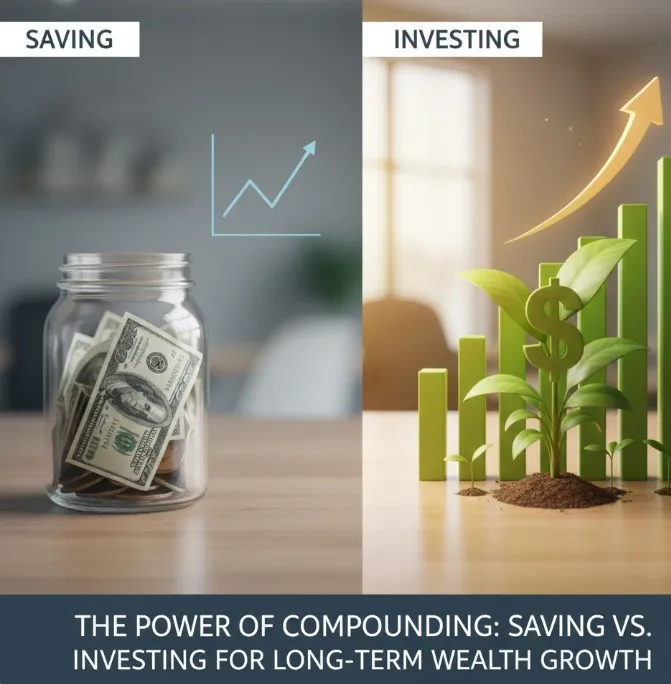
One of the most emotionally difficult aspects of recessions is watching investments decline in value. Many people respond by stopping investments, selling at lows, or waiting for “certainty” to return. History shows that these reactions are costly. Consistent investing, especially through downturns, is one of the most powerful money habits for recession periods.
The reason this habit works is simple but uncomfortable. Recessions temporarily disconnect prices from long-term value. Markets fall faster than fundamentals. Investors who continue contributing during downturns buy assets at lower prices. This behavior was rewarded after every major recession. After the 2008 crash, investors who kept investing in broad market indexes recovered faster and achieved higher long-term returns than those who exited.
This habit matters because it separates behavior from emotion. You are not investing because the future looks good. You are investing because time works in your favor. As Peter Lynch famously said, “Far more money has been lost by investors trying to anticipate corrections than lost in the corrections themselves.” Consistency beats prediction.
This does not mean ignoring risk or overexposing yourself. It means aligning investments with long-term goals and sticking to a plan through cycles. Recessions are painful, but they are temporary. Habits that respect that truth survive.
Principles of recession-resilient investing:
- Automatic, regular contributions regardless of market conditions.
- Focus on long-term diversified assets.
- Avoid reacting emotionally to short-term market noise.
- Understanding that volatility is the price of long-term returns.
Maintaining Multiple Income Skills and Flexibility
Income is often treated as static, but history shows it is one of the most fragile parts of personal finance during recessions. Layoffs, reduced hours, and business closures disproportionately affect those with narrow income sources. Developing adaptable income skills is a lesser-discussed but powerful money habit for recession resilience.
During the Great Depression, individuals with transferable skills found work more easily across industries. During the COVID-19 recession, workers with digital skills adapted faster to remote work and new opportunities. Income flexibility does not mean juggling dozens of side hustles. It means building skills that are valuable across economic conditions.
This habit matters because recessions reshuffle labor demand. Some sectors shrink while others grow. Those who can pivot survive with less disruption. Flexibility reduces fear, because you know your value is not tied to a single employer or role.
Economist Joseph Schumpeter described recessions as periods of “creative destruction.” Old structures break, new ones form. People who invest in skills rather than titles adapt better to this process. This is a long-term habit that compounds quietly over time.
Ways to build income resilience:
- Developing transferable, in-demand skills.
- Maintaining professional networks even during good times.
- Exploring secondary income streams gradually, not desperately.
- Staying curious and adaptable as industries change.
Conclusion
Recessions are not personal failures, and they are not avoidable events. They are economic stress tests that reveal the strength of financial habits built long before trouble arrives. The money habits for recession discussed in this article share a common theme: they prioritize resilience over optimization. Cash reserves buy time. Living below your means creates flexibility. Avoiding high-interest debt protects cash flow. Consistent investing respects long-term growth. Income adaptability reduces dependency.
None of these habits are exciting in the short term. They do not promise overnight wealth or viral success. Yet history repeatedly shows that they work. People who practice them experience recessions differently. They still feel uncertainty, but they are not forced into panic. They can make decisions deliberately instead of reactively.
The most important takeaway is that preparation is not prediction. You do not need to know when the next recession will occur. You only need to accept that it eventually will. Building these habits during stable periods is an act of self-respect and long-term thinking.
Start small. Build one habit at a time. Reduce fragility wherever you see it. Over time, these behaviors compound into confidence. When the next recession arrives, you will not be immune, but you will be prepared. And in finance, preparation is often the difference between survival and regret.