Introduction
Financial crises are not rare accidents. They are recurring features of economic history. From the Great Depression of the 1930s, to the oil shocks of the 1970s, to the global financial crisis of 2008, and most recently the COVID-19 market crash and inflation surge, every generation of investors eventually faces a moment when markets fall fast and fear spreads even faster. These periods expose a hard truth: many portfolios are built for good times only. When stress arrives, they crack.
A crisis ready investment portfolio is not designed to predict the next crash or avoid every loss. That is impossible. Instead, it is built with the assumption that crises will happen. It accepts volatility as a normal part of investing and prepares for it in advance. Just like a well-built house is designed to survive storms, not sunny days, a crisis ready investment portfolio is structured to endure economic shocks while still allowing long-term growth.
This topic matters more today than ever. Modern investors face a world of high debt levels, geopolitical tension, aging populations, rapid technological disruption, and unpredictable monetary policy. Central banks can raise or cut interest rates quickly. Markets can move violently within days. Social media accelerates panic. In this environment, traditional “set it and forget it” strategies often fail emotionally, even if they work on paper. Investors sell at the worst possible times because their portfolios were never designed to handle stress.
By the end of this article, you will deeply understand what makes a crisis ready investment portfolio different from a normal one. You will learn why diversification alone is not enough, how risk behaves differently during crises, and why liquidity, psychology, and time horizon matter as much as asset selection. Most importantly, you will gain a clear framework to build a portfolio that can survive downturns without sacrificing long-term opportunity. This is not about being defensive forever. It is about being prepared, calm, and rational when others are not.
Table of Contents
What “Crisis Ready” Really Means in Investing
A crisis ready investment portfolio is often misunderstood as a portfolio that never loses value. That idea sounds comforting, but it is unrealistic. All portfolios experience drawdowns, which simply means temporary declines in value. What “crisis ready” actually means is the ability to withstand severe stress without forcing the investor into bad decisions. The goal is not perfection, but resilience.
During crises, correlations change. Assets that usually move independently can suddenly fall together. Stocks drop sharply, credit markets freeze, and even safe assets can behave unexpectedly for short periods. A crisis ready investment portfolio is built with the expectation that normal relationships between assets may break down temporarily. This is why preparation must happen before fear takes over.
The concept also includes the human side of investing. Warren Buffett famously said, “Risk comes from not knowing what you’re doing.” In crises, uncertainty skyrockets. Investors who do not understand why they own certain assets panic because they lack conviction. A crisis ready investment portfolio is structured in a way the investor understands deeply. When losses appear, the investor knows what role each asset plays and why staying invested makes sense.
Being crisis ready also means accepting trade-offs. Portfolios designed to be resilient may underperform during speculative bull markets. They may look boring compared to aggressive growth portfolios when everything is rising. However, they often recover faster and lose less during downturns. Over long periods, this stability can lead to better compounded returns, because avoiding catastrophic losses matters more than chasing peak gains.
Key characteristics of “crisis ready” investing:
- Focus on survival first, growth second
- Acceptance of short-term volatility
- Emphasis on understanding risk, not eliminating it
- Design based on behavior as much as math
Why Most Portfolios Fail During Financial Crises
Most portfolios do not fail because the assets are inherently bad. They fail because they are built under unrealistic assumptions. During long bull markets, investors become overconfident. They assume recent returns will continue. Risk feels distant and abstract. As a result, portfolios quietly drift into fragile structures without the investor noticing.
One common issue is concentration risk. Investors may hold too much in one sector, one country, or one asset class that performed well recently. For example, before the 2000 dot-com crash, many portfolios were heavily concentrated in technology stocks. Before 2008, real estate and financial stocks dominated portfolios. When those sectors collapsed, diversification failed because it was only superficial.
Another major problem is liquidity risk. In crises, assets that are hard to sell become even harder to exit. Investors who need cash are forced to sell at deeply discounted prices. This is why economist John Maynard Keynes emphasized liquidity as a form of safety. A crisis ready investment portfolio respects the need for accessible capital during stress.
Emotional behavior is the final and most damaging factor. Fear causes investors to sell low. Greed causes them to buy high. Nobel laureate Robert Shiller has written extensively about how narratives and emotions drive markets during crises. If a portfolio is too volatile for the investor’s emotional tolerance, it will fail regardless of its theoretical quality.
Why portfolios collapse under stress:
- Overconcentration in recent winners
- Hidden liquidity constraints
- Overreliance on historical averages
- Lack of emotional preparedness
The Role of Risk Management in a Crisis Ready Investment Portfolio
Risk management is often misunderstood as something that reduces returns. In reality, it is what allows returns to compound over time. A crisis ready investment portfolio treats risk management as the foundation, not an afterthought. Without it, growth strategies collapse under pressure.
Risk is not just volatility, which is price movement. True risk is the possibility of permanent loss of capital. During crises, permanent losses happen when investors are forced to sell, companies go bankrupt, or leverage amplifies declines. A resilient portfolio aims to reduce these outcomes, even if prices fluctuate in the short term.
One key principle is asymmetry. Losses hurt more than gains help. A 50% loss requires a 100% gain just to break even. This mathematical reality explains why avoiding deep drawdowns is crucial. Legendary investor Howard Marks often emphasizes that “you can’t predict, but you can prepare.” Risk management is preparation, not prediction.
Another important idea is margin of safety. This concept, popularized by Benjamin Graham, means building buffers into your portfolio. These buffers can be in the form of cash, high-quality bonds, or defensive assets. They reduce pressure during downturns and give you flexibility to act when opportunities appear.
Core principles of crisis-focused risk management:
- Prioritize capital preservation
- Avoid excessive leverage
- Accept lower returns in exchange for resilience
- Prepare for extreme but plausible scenarios
Asset Allocation: The Backbone of a Crisis Ready Investment Portfolio
Asset allocation is the single most important decision in portfolio construction. It determines how your portfolio behaves under stress more than individual stock selection ever will. A crisis ready investment portfolio uses asset allocation to balance growth, stability, and flexibility.
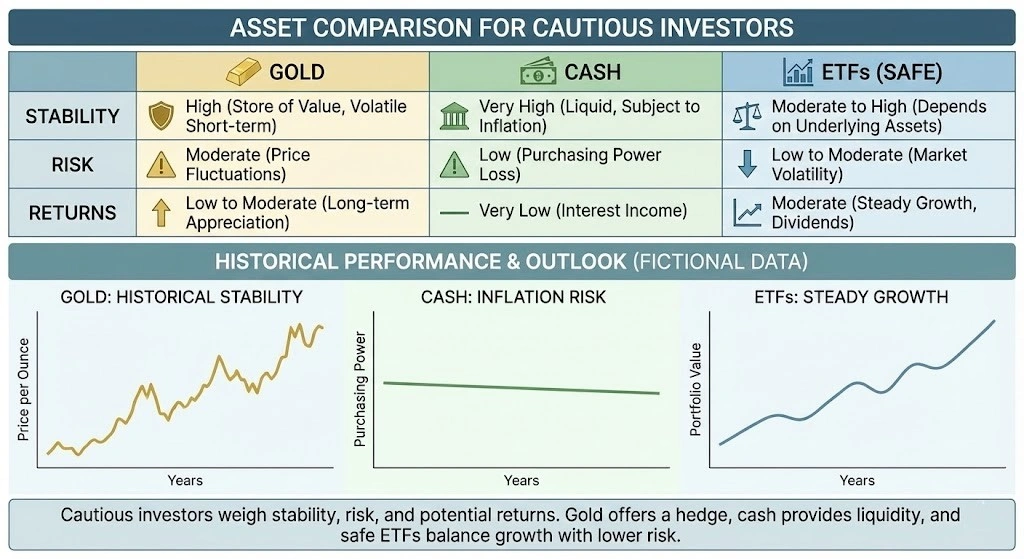
Stocks are powerful long-term growth engines, but they are also the most volatile during crises. Bonds, especially high-quality government bonds, often act as stabilizers because they tend to rise or hold value when stocks fall. Cash provides optionality, which means the ability to act without pressure. Real assets like gold or commodities can offer protection during inflationary crises.
The key is not owning everything equally, but owning assets for specific reasons. Each asset should play a role. When one asset suffers, another should either hold steady or decline less. This reduces overall portfolio stress.
Historical evidence supports this approach. During the 2008 financial crisis, diversified portfolios with bonds and cash recovered faster than all-equity portfolios. During inflation spikes, portfolios with real assets performed better. No asset works in every crisis, but thoughtful combinations improve resilience.
Common crisis-ready asset categories:
- Equities for long-term growth
- High-quality bonds for stability
- Cash for liquidity and flexibility
- Real assets for inflation protection
Diversification That Actually Works in a Crisis
Diversification is often described as “not putting all your eggs in one basket.” While this is true, it is incomplete. A crisis ready investment portfolio requires meaningful diversification, not just a long list of holdings. Owning many assets that behave the same way does not reduce risk.
True diversification focuses on different economic drivers. For example, stocks are driven by earnings growth, bonds by interest rates, and commodities by supply and demand. During crises, assets with different drivers are less likely to collapse simultaneously. This is why Ray Dalio’s concept of “risk parity” emphasizes balancing risk contributions, not dollar amounts.
Geographic diversification also matters. Economic crises often start in one region and spread unevenly. A globally diversified portfolio reduces dependence on any single economy or political system. However, investors must recognize that global markets can still fall together during severe crises. Diversification reduces damage; it does not eliminate it.
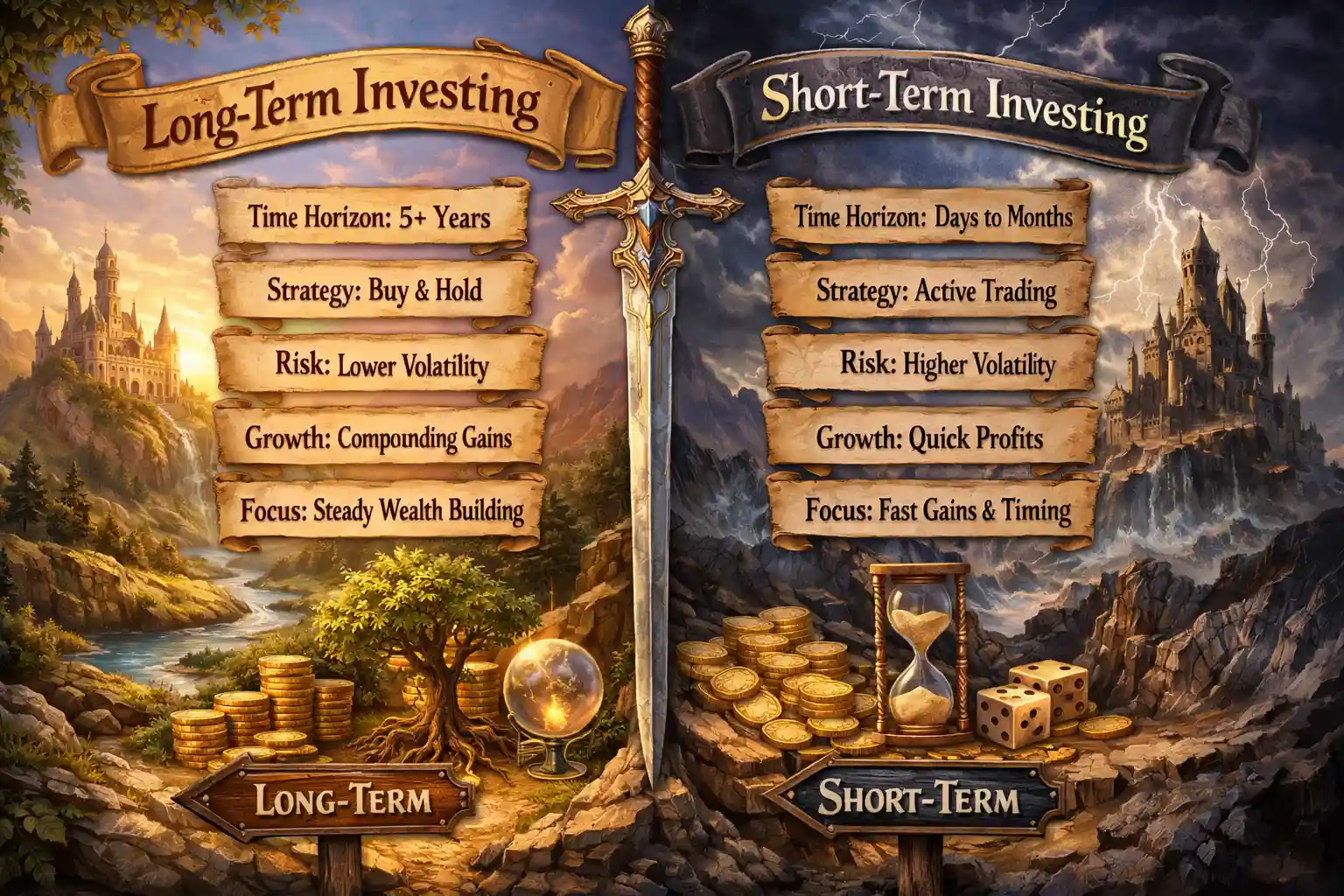
Another overlooked aspect is time diversification. Investing gradually and maintaining a long-term horizon reduces the impact of poor timing. A crisis ready investment portfolio is built to survive long enough for time to work in your favor.
Effective diversification principles:
- Diversify by economic driver, not label
- Avoid overlapping risks
- Include global exposure thoughtfully
- Respect time as a risk-reducing factor
The Importance of Liquidity During Market Crises
Liquidity is the ability to access cash quickly without significant loss. In calm markets, liquidity feels unimportant. In crises, it becomes priceless. A crisis ready investment portfolio always includes sufficient liquidity to meet unexpected needs.
During downturns, job losses, medical expenses, or business disruptions can force investors to sell assets. If the portfolio is fully invested in volatile or illiquid assets, selling becomes painful. Cash and near-cash instruments act as shock absorbers. They allow investors to cover expenses without touching long-term investments at bad prices.
Liquidity also creates opportunity. Market crises often produce exceptional buying opportunities. Investors with cash can buy high-quality assets at discounted prices. This is why Buffett keeps significant cash reserves. He views cash not as a drag, but as a strategic asset.
However, liquidity must be balanced. Too much cash erodes purchasing power over time due to inflation. The goal is not to avoid investing, but to ensure flexibility. A crisis ready investment portfolio holds enough liquidity to survive and act, without sacrificing long-term growth.
Benefits of liquidity in crises:
- Prevents forced selling
- Reduces emotional stress
- Enables opportunistic investing
- Supports financial stability
Behavioral Discipline: The Invisible Foundation of Crisis Readiness
No portfolio can succeed if the investor cannot stick with it. Behavioral discipline is often more important than asset selection. A crisis ready investment portfolio is designed around human psychology, not against it.
During crises, fear dominates. News headlines amplify worst-case scenarios. Social proof pushes investors to follow the crowd. Selling feels like relief, even when it causes long-term harm. Understanding these patterns in advance reduces their power. Behavioral finance research, including work by Daniel Kahneman, shows that humans feel losses more intensely than gains. This loss aversion drives panic selling.
A well-designed portfolio aligns risk with emotional tolerance. If an investor cannot sleep at night during downturns, the portfolio is too aggressive, regardless of age or income. Crisis readiness means choosing a structure you can live with emotionally, even when markets fall sharply.
Clear rules also help. Rebalancing rules, written investment plans, and predefined risk limits reduce emotional decision-making. When actions are planned in advance, fear has less influence.
Behavioral tools for crisis resilience:
- Clear investment policy statements
- Predefined rebalancing rules
- Realistic expectations about losses
- Long-term perspective reinforcement
Long-Term Compounding and Crisis Survival
The ultimate goal of a crisis ready investment portfolio is to protect the ability to compound wealth over decades. Compounding is powerful, but fragile. Large losses early or mid-way can permanently damage long-term results.
History shows that investors who survive crises and stay invested often outperform those who attempt to time markets. After major crashes, markets eventually recover and reach new highs. The challenge is enduring the journey. As Peter Lynch said, “The real key to making money in stocks is not to get scared out of them.”
Crisis readiness does not mean avoiding downturns. It means ensuring downturns do not destroy your plan. When losses are manageable, recovery becomes possible. Over time, this leads to smoother growth and higher confidence.
Compounding rewards patience, discipline, and resilience. A portfolio that survives crises intact has the most valuable asset of all: time.
How crisis readiness supports compounding:
- Reduces catastrophic drawdowns
- Maintains investor confidence
- Enables consistent reinvestment
- Protects long-term financial goals
Conclusion
Building a crisis ready investment portfolio is not about fear. It is about realism. Economic shocks are inevitable, but financial ruin is not. By accepting uncertainty and preparing for it thoughtfully, investors can navigate crises with confidence rather than panic.
A resilient portfolio starts with understanding risk, not avoiding it. It uses asset allocation, diversification, liquidity, and behavioral discipline as tools for survival and growth. Each component serves a purpose, and together they form a structure strong enough to endure stress.
The most important lesson is that preparation happens before crises begin. Once fear dominates markets, it is too late to redesign a portfolio calmly. Building resilience today protects your future self from emotional and financial damage tomorrow.
Practically, investors should review their asset allocation, assess liquidity needs, and reflect honestly on emotional tolerance. Small adjustments made early can prevent large mistakes later. Crisis readiness is a mindset, not a one-time decision.
In the long run, wealth is built not by avoiding every downturn, but by surviving them. A crisis ready investment portfolio allows you to stay invested, stay rational, and stay focused on what truly matters: steady progress over time.