The financial landscape of 2026 presents a unique and formidable challenge for households and individuals carrying debt. After a period of historically low borrowing costs, the shift to a high-interest rate environment has fundamentally changed the calculus of personal finance. What was once a manageable monthly payment can quickly become a significant drain on resources, making the need for proactive and intelligent debt management 2026 strategies more critical than ever before. This is not a time for panic, but for precision. Understanding the current economic forces at play and implementing a robust plan is the key to not just surviving, but thriving, in this new reality. This comprehensive guide will serve as your authoritative roadmap, explaining the mechanisms of high-rate debt, detailing proven management techniques, and offering a long-term perspective to secure your financial future. We will delve deep into the subject, providing actionable steps and expert insights to help you regain control and build a resilient financial foundation.
Table of Contents
Understanding the New Economic Reality
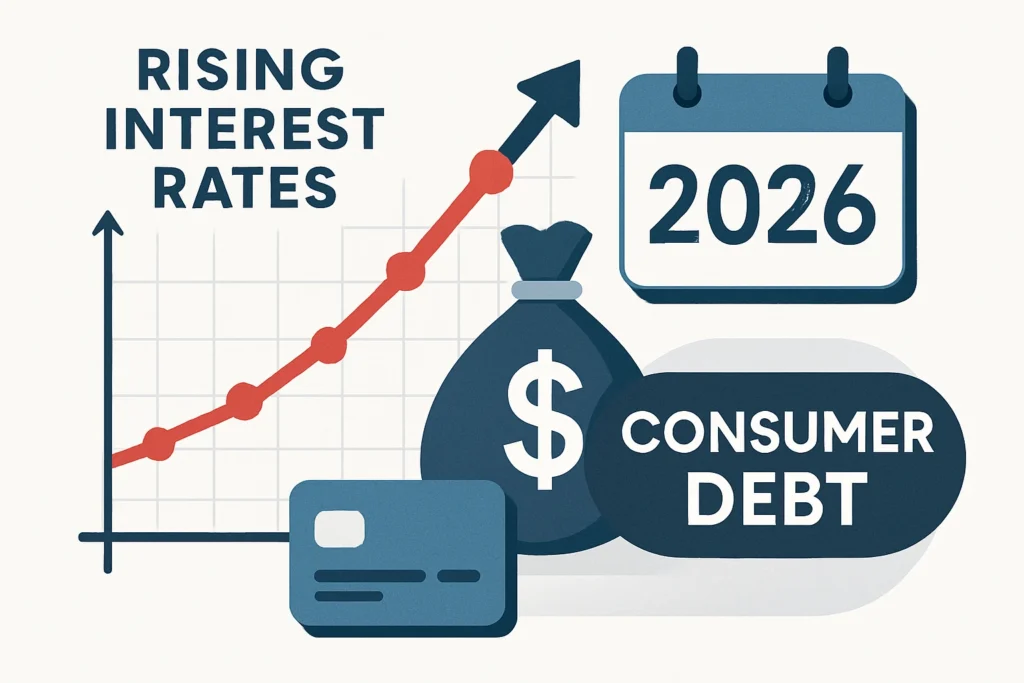
The current high-interest rate environment is a direct result of central bank policies aimed at curbing inflation. While these measures are designed to stabilize the broader economy, their immediate effect on consumer debt is profound. For anyone with variable-rate debt—such as credit card balances, home equity lines of credit (HELOCs), or certain personal loans—the cost of borrowing has increased substantially, often without any corresponding increase in income. This means a larger portion of your monthly payment is now allocated to interest, rather than reducing the principal balance. The psychological impact of this can be just as damaging as the financial one, leading to a feeling of running in place. To effectively manage debt in 2026, the first step is a clear-eyed assessment of how this new reality affects your specific liabilities. It requires moving beyond the minimum payment mindset and adopting a strategic approach that prioritizes the highest-cost debt. This shift in focus is the cornerstone of any successful debt management 2026 plan, demanding discipline and a commitment to understanding the fine print of your loan agreements.
The primary mechanism at play is the relationship between the prime rate and your individual interest rate. As the prime rate rises, so too does the annual percentage rate (APR) on your variable debt, often with a lag of one or two billing cycles. This can create a deceptive sense of stability before the full weight of the rate hikes hits your statement. Furthermore, the high-rate environment often leads to a tightening of credit standards by lenders, making it harder to secure new, lower-interest loans for consolidation or refinancing. This closes off traditional escape routes and forces a reliance on internal, disciplined financial restructuring. The complexity of this situation underscores the need for a warm, authoritative guide to cut through the noise and provide a clear path forward.
| Debt Type | Interest Rate Structure | Risk in High-Rate Environment | Typical Use Case |
|---|---|---|---|
| Credit Cards | Variable | Highest risk; rates often tied directly to prime rate with high margins. | Short-term spending, emergencies. |
| HELOCs | Variable | High risk; monthly payments can fluctuate significantly, impacting housing budget. | Home improvements, large expenses. |
| Mortgages (Fixed) | Fixed | Low risk; payment remains constant regardless of market changes. | Home purchase. |
| Mortgages (Variable) | Variable | Moderate to High risk; rate changes directly affect monthly payment. | Home purchase (often lower initial rate). |
| Student Loans (Federal) | Fixed | Low risk; rates are set at disbursement and do not change. | Education financing. |
The Silent Killer: Compounding Interest
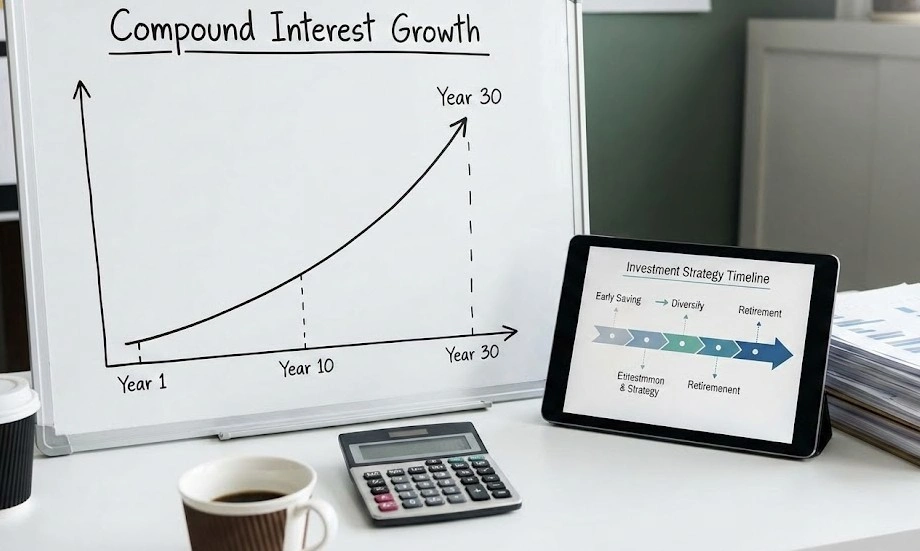
Compounding interest, often hailed as a miracle for savers, becomes a devastating force when applied to high-interest debt. It is the interest on your interest, and in a high-rate environment, it accelerates the growth of your debt balance exponentially. When your APR is 25% and you only make the minimum payment, the interest accrued in the first month is added to your principal, and the next month’s interest is calculated on that larger amount. This vicious cycle is why credit card debt, in particular, can feel insurmountable. The key to breaking this cycle is to ensure your monthly payment exceeds the interest charge, thereby making a meaningful dent in the principal. This requires a granular understanding of your debt statements and a ruthless commitment to allocating every spare dollar toward the highest-interest liabilities first. The difference between paying $50 over the minimum and paying $50 toward the principal can save thousands over the life of the debt.
The Foundation of Effective Debt Management
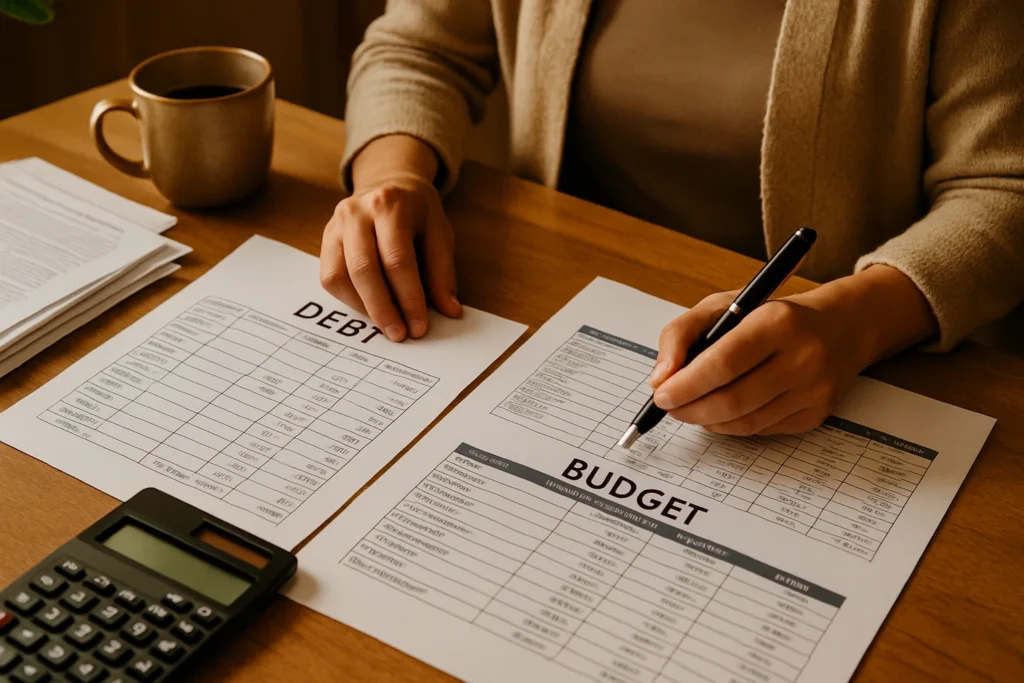
The bedrock of any successful debt management 2026 plan is a comprehensive and honest debt audit. You cannot defeat an enemy you do not fully understand. This process involves gathering every single debt statement—credit cards, personal loans, auto loans, mortgages, and any other liabilities—and creating a master list. This list must include four critical pieces of information for each debt: the total balance owed, the exact interest rate (APR), the minimum monthly payment, and the name of the creditor. This exercise often reveals hidden truths about where your money is truly going and provides the necessary clarity to formulate a targeted attack plan. Without this foundational step, any subsequent strategy, whether it’s consolidation or a payment plan, will be built on shaky ground. The goal is to move from a vague sense of financial stress to a precise, data-driven strategy.
Creating a Crisis-Proof Budget
Once the debt audit is complete, the next step is to construct a budget that is not just a spending tracker, but a powerful debt-reduction tool. In a high-rate environment, every dollar must be assigned a purpose, and that purpose should heavily favor debt repayment. Start by identifying all non-essential expenses—subscriptions, dining out, entertainment—and ruthlessly reallocating those funds. This is not about deprivation, but about prioritization. The budget should be designed to generate “debt-killing cash flow,” which is the surplus money you can direct toward your principal balances above the minimum payments. This surplus is your most powerful weapon against compounding interest. A common mistake is to create a budget that is too restrictive and therefore unsustainable. A successful budget is realistic, allowing for small, necessary indulgences while maintaining a laser focus on the primary goal of debt elimination.
| Budget Category | Action in High-Rate Environment | Potential Savings Impact | Long-Term Benefit |
|---|---|---|---|
| Housing | Negotiate lower rent, consider a roommate, or refinance (if rates drop). | Moderate to High | Reduced fixed costs. |
| Transportation | Carpool, use public transit, or downsize to a more fuel-efficient vehicle. | Moderate | Lower insurance and fuel costs. |
| Food | Meal prep, eliminate dining out, use loyalty programs. | High | Significant monthly cash flow increase. |
| Entertainment | Cancel non-essential subscriptions, utilize free community events. | Moderate | Reallocated funds for debt principal. |
| Debt Payments | Prioritize highest APR debts (Avalanche Method). | Highest | Minimizing total interest paid. |
Strategic Debt Repayment Methods
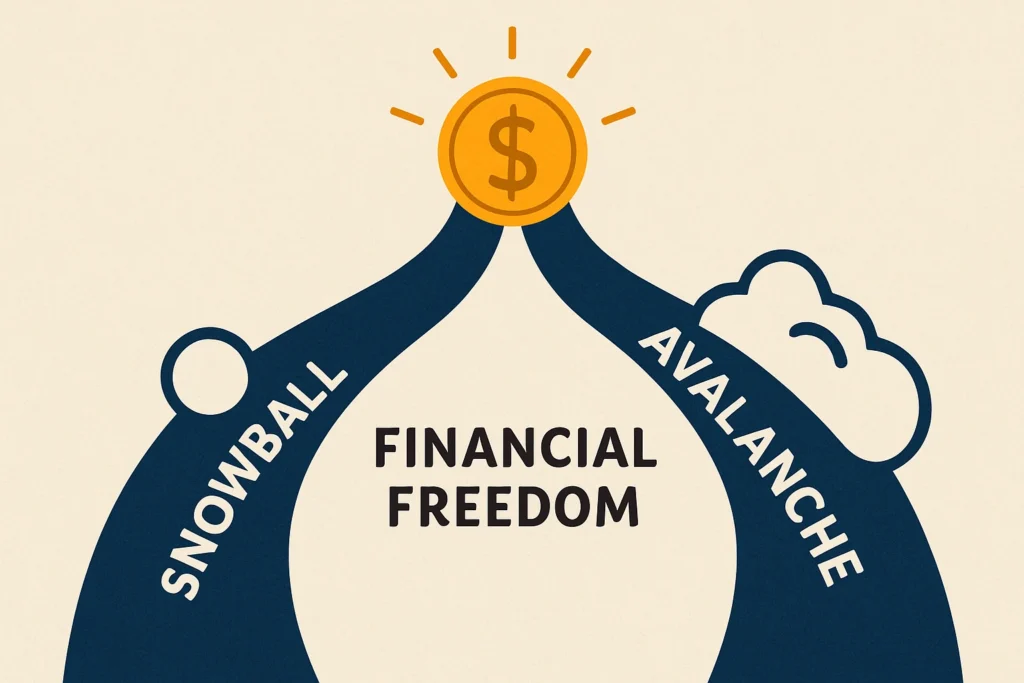
With a clear audit and a debt-killing budget in place, you are ready to choose your repayment strategy. The two most popular and effective methods are the Debt Snowball and the Debt Avalanche. While both are powerful tools for debt management 2026, they appeal to different psychological and financial needs. The Debt Avalanche method is mathematically superior, as it focuses on paying off the debt with the highest interest rate first, regardless of the balance. This minimizes the total amount of interest paid over the life of the debt, which is paramount in a high-rate environment. The psychological reward is delayed, but the financial savings are maximized. Conversely, the Debt Snowball method focuses on paying off the smallest debt balance first, regardless of the interest rate. The rapid elimination of a small debt provides a quick psychological win, building momentum and motivation to tackle the larger debts.
The Debt Avalanche: Maximizing Savings
In a high-interest rate environment, the Debt Avalanche method is generally the recommended strategy for maximizing financial efficiency. By attacking the debt with the highest APR, you are effectively reducing the most expensive drag on your finances. To execute this, list all your debts from the highest interest rate to the lowest. Make the minimum payment on all debts except the one at the top of the list. Direct all your extra cash flow—the surplus generated by your crisis-proof budget—to this highest-rate debt. Once that debt is paid off, you “roll” the entire payment amount (the old minimum payment plus the extra cash) to the next highest-rate debt. This snowballing of payments, combined with the focus on the highest APR, creates a powerful, interest-saving effect. This strategy requires a certain level of financial maturity and discipline, but the long-term rewards are substantial, especially when rates are elevated.
Debt Consolidation and Refinancing
While the current environment makes consolidation and refinancing more challenging, they remain viable options for certain types of debt. Debt consolidation involves taking out a single, lower-interest loan to pay off multiple high-interest debts, such as credit cards. The goal is to simplify payments and, crucially, secure a lower overall interest rate. However, in 2026, securing a consolidation loan with a rate significantly lower than your existing credit card APRs may be difficult. It is essential to shop around and compare the total cost of the new loan, including any origination fees, against the total interest you would pay by continuing with your current debts. A key consideration is the term of the new loan; extending the repayment period, even at a lower rate, can sometimes lead to paying more interest overall.
For homeowners, a cash-out refinance or a personal loan secured by an asset might offer a lower rate, but this carries the significant risk of putting your home or asset on the line. Never consolidate unsecured debt into secured debt without fully understanding the risk of foreclosure or repossession. Use this option only if the interest rate savings are dramatic and your financial stability is rock-solid. For those with excellent credit, a 0% APR balance transfer credit card can be a temporary lifeline, but the clock is ticking. You must have a concrete plan to pay off the transferred balance before the promotional period ends and the high penalty rate kicks in.
Advanced Tactics for High-Rate Debt

One of the most overlooked and powerful tools in debt management 2026 is direct communication with your creditors. Many people assume that the interest rate on their credit card or loan is non-negotiable, but this is often not the case, especially if you have a history of on-time payments or if you are experiencing genuine financial hardship. Call your credit card companies and politely, but firmly, request a lower interest rate. Explain that you are a valued customer and that you are considering transferring your balance to a competitor with a lower rate. You may be surprised to find that they are willing to lower your APR by a few percentage points to retain your business. This simple phone call can save you hundreds or even thousands of dollars in interest over the course of a year.
The Power of the Side Hustle and Asset Liquidation
To accelerate your debt repayment, you must look beyond your primary income source. A side hustle—whether it’s freelance work, driving for a ride-share service, or selling crafts online—can generate a dedicated stream of “debt-only” income. Every dollar earned from this secondary source should be immediately and entirely directed toward your highest-interest debt. This creates a powerful feedback loop: the harder you work on your side hustle, the faster your debt disappears. This strategy is particularly effective because it psychologically separates the debt repayment funds from your regular living expenses, making it easier to commit the entire amount to the principal.
Furthermore, consider a systematic review of your assets. Do you have items of value that are not essential to your daily life? Unused electronics, jewelry, or even a second vehicle can be liquidated to create a lump sum payment. While selling possessions can be emotionally difficult, the long-term freedom gained from eliminating high-interest debt far outweighs the temporary loss of a material item. This is a short-term sacrifice for a long-term gain, a core principle of effective financial planning [1].
| Strategy | Description | Best for Debt Type | Pros | Cons |
|---|---|---|---|---|
| Debt Avalanche | Pay highest APR first. | High-interest credit cards, personal loans. | Maximizes interest savings. | Slower psychological wins. |
| Debt Snowball | Pay smallest balance first. | Multiple small debts. | High motivation and momentum. | Pays more interest overall. |
| Creditor Negotiation | Call to request lower APR. | Credit cards. | Immediate reduction in interest cost. | Requires persistence, not guaranteed. |
| Side Hustle | Dedicated secondary income for debt. | All debt types. | Accelerates repayment significantly. | Requires time and effort. |
Protecting Your Future: Savings and Credit
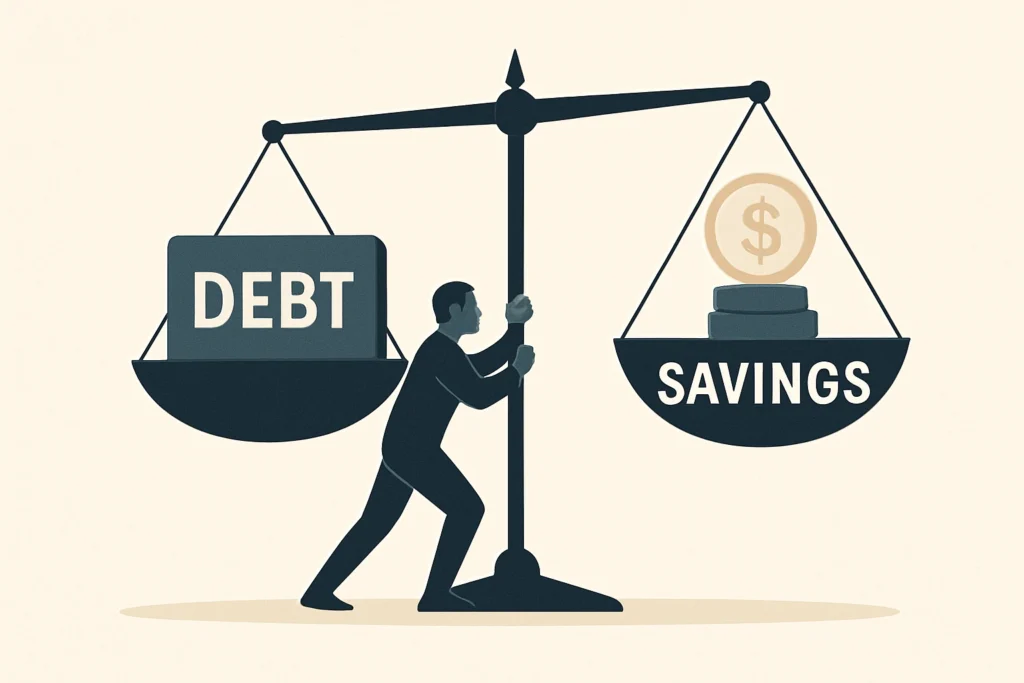
A common pitfall in aggressive debt repayment is neglecting your emergency fund. While it may seem counterintuitive to save money while carrying high-interest debt, an emergency fund acts as a critical shield against new debt. If an unexpected expense arises—a car repair, a medical bill, or a job loss—a robust emergency fund prevents you from immediately reaching for a high-interest credit card, thereby derailing your entire debt management 2026 plan. Financial experts generally recommend having a minimum of $1,000 to $2,000 saved before aggressively tackling debt, and then building it up to three to six months of living expenses once the high-interest debt is eliminated. This is a non-negotiable step in building long-term financial resilience [2].
The Importance of Credit Score Management
Your credit score is your financial report card, and it plays a vital role in your ability to secure favorable interest rates in the future. Paradoxically, as you pay down debt, your credit score should improve, but you must be careful not to damage it during the process. The two most important factors are payment history (35% of your score) and credit utilization (30% of your score). Never miss a payment. Even as you focus on the highest-rate debt, ensure all minimum payments are made on time. Furthermore, as you pay down credit card balances, your credit utilization ratio (the amount of credit you are using compared to your total available credit) will drop, which is a significant boost to your score. Maintaining a low utilization ratio, ideally below 30% and optimally below 10%, signals to lenders that you are a responsible borrower [3].
Long-Term Implications and Wealth Building
The ultimate goal of debt management 2026 is not just to eliminate debt, but to transition into a phase of wealth building. Once the high-interest debt is gone, the cash flow previously dedicated to those payments can be redirected to investments, retirement accounts, and building a substantial savings buffer. This is the moment when the power of compounding interest finally works for you, rather than against you. The discipline and budgeting skills you developed during your debt repayment journey are the same skills required for successful long-term investing. The lessons learned in a high-rate environment—the value of a low-cost lifestyle, the importance of a budget, and the danger of high-interest borrowing—will serve as an invaluable foundation for your future financial success.
Conclusion
The high-interest rate environment of 2026 presents a significant financial challenge, but it is one that can be overcome with a clear strategy and unwavering discipline. Effective debt management 2026 is not a matter of luck; it is a systematic process that begins with an honest debt audit and the creation of a crisis-proof budget. By choosing a strategic repayment method, such as the mathematically superior Debt Avalanche, and supplementing your efforts with proactive creditor negotiation and dedicated side income, you can accelerate your path to freedom. Remember to protect your progress by maintaining a robust emergency fund and diligently managing your credit score. The actions you take today to manage your debt will not only alleviate immediate financial stress but will also lay the groundwork for a future defined by financial security and the ability to build lasting wealth.
Frequently Asked Questions
Is it better to use the Debt Snowball or Debt Avalanche method in a high-interest rate environment?
While the Debt Snowball offers psychological benefits by providing quick wins, the Debt Avalanche method is mathematically superior in a high-interest rate environment. By prioritizing the debt with the highest Annual Percentage Rate (APR), you minimize the total amount of interest paid over the life of the debt, which results in greater long-term savings. The higher the interest rates, the more valuable the Avalanche method becomes.
How much should I have in my emergency fund before I start aggressively paying off debt?
Financial experts generally recommend a two-tiered approach. First, save a small, initial emergency fund of $1,000 to $2,000 to cover minor, unexpected expenses. This prevents you from incurring new debt. Once this is secured, you can aggressively tackle your high-interest debt. After that debt is eliminated, the focus should shift to building a full emergency fund covering three to six months of living expenses.
Can I negotiate my credit card interest rate?
Yes, you absolutely can. Credit card companies often have programs to lower the interest rate for customers who are in good standing or who express a clear intention to pay off their balance. Call the customer service line, explain your situation, and politely request a lower APR. Be prepared to mention that you are considering transferring your balance to a competitor. This simple negotiation can often yield significant savings.
What is the single most important factor for improving my credit score while paying off debt?
The single most important factor is your payment history, which accounts for 35% of your FICO score. Never miss a payment. The second most important factor is your credit utilization ratio (30% of your score), which is the amount of credit you are using compared to your total available credit. As you pay down your balances, this ratio will decrease, which will significantly boost your score.
Should I use a 401(k) loan to pay off high-interest credit card debt?
Generally, no. While a 401(k) loan may offer a lower interest rate, it comes with significant risks. If you leave your job, you may have to repay the loan immediately, or it will be treated as an early withdrawal, subject to income tax and a 10% penalty. Furthermore, you are borrowing from your retirement future, sacrificing potential tax-advantaged growth. It is almost always better to find a solution that does not jeopardize your long-term retirement security [4].
We hope this guide has provided you with the clarity and confidence needed to tackle your debt head-on. The journey to financial freedom is a marathon, not a sprint, and every strategic step you take today brings you closer to your goal. We invite you to share your own debt management 2026 strategies and success stories in the comments below. Your experience could be the inspiration someone else needs to start their own journey.
References
References
[1] CNBC: How to break the cycle of debt
[2] Fidelity: How much to save for emergencies
[3] Morningstar: 5 smart moves to raise your credit score ASAP
[4] PBS NewsHour: Expert tips for paying down debt
[5] CBS News: Retirees should use these 3 strategies to get rid of debt in 2026