The financial landscape is undergoing a seismic shift, driven not by regulatory changes or market crashes, but by the coming-of-age of a generation that views the world and its money through a fundamentally different lens. Generation Z, the cohort born roughly between 1997 and 2012, is rapidly abandoning the traditional banking model, forcing a dramatic re-evaluation of how financial services are delivered. This exodus is more than a preference for a slick mobile app; it is a cultural and economic statement. Understanding these digital banking trends 2026 is crucial for anyone ,from financial institution executives to the Gen Z consumer themselves, to navigate the future of money.
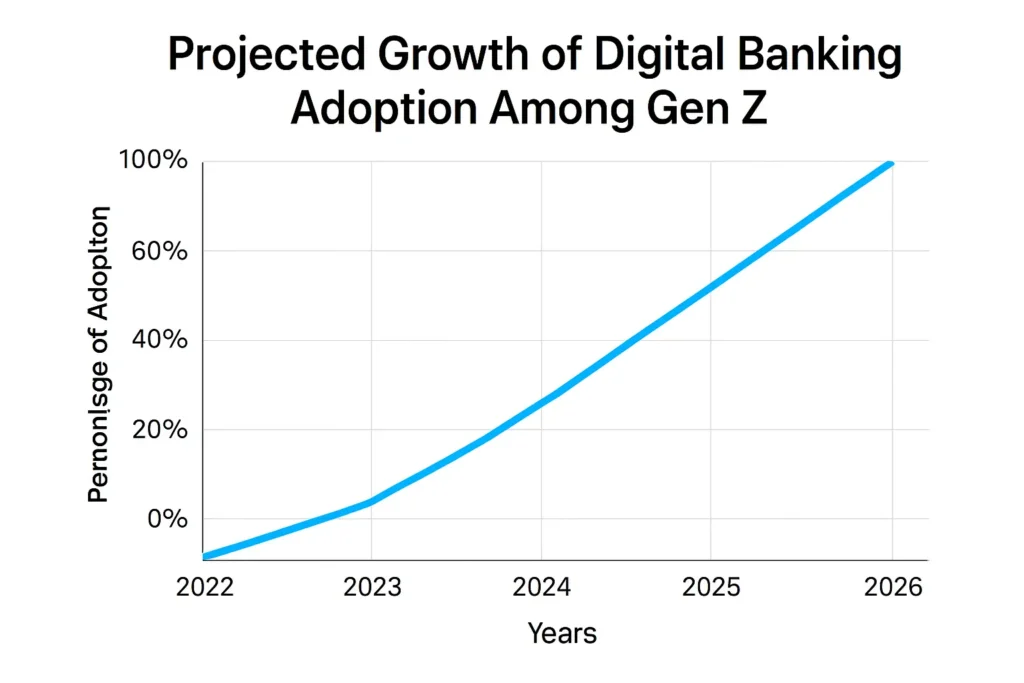
For decades, banking was a physical, trust-based relationship centered around a local branch. Today, for Gen Z, banking is an invisible, instant, and integrated experience. They are digital natives who grew up with seamless technology, and they expect their financial tools to be as intuitive and responsive as their favorite social media platforms. The data confirms this massive shift: Gen Z consumers are two to three times more likely to switch banks than older generations, and a significant majority, over 50%, already prefer non-traditional providers like neobanks and fintechs [1] [2]. This article will explore the core reasons behind this generational move, the innovative trends shaping the future of finance, and what this means for the global economy.
Table of Contents
The Digital Native Divide: Why Traditional Banking Feels Foreign
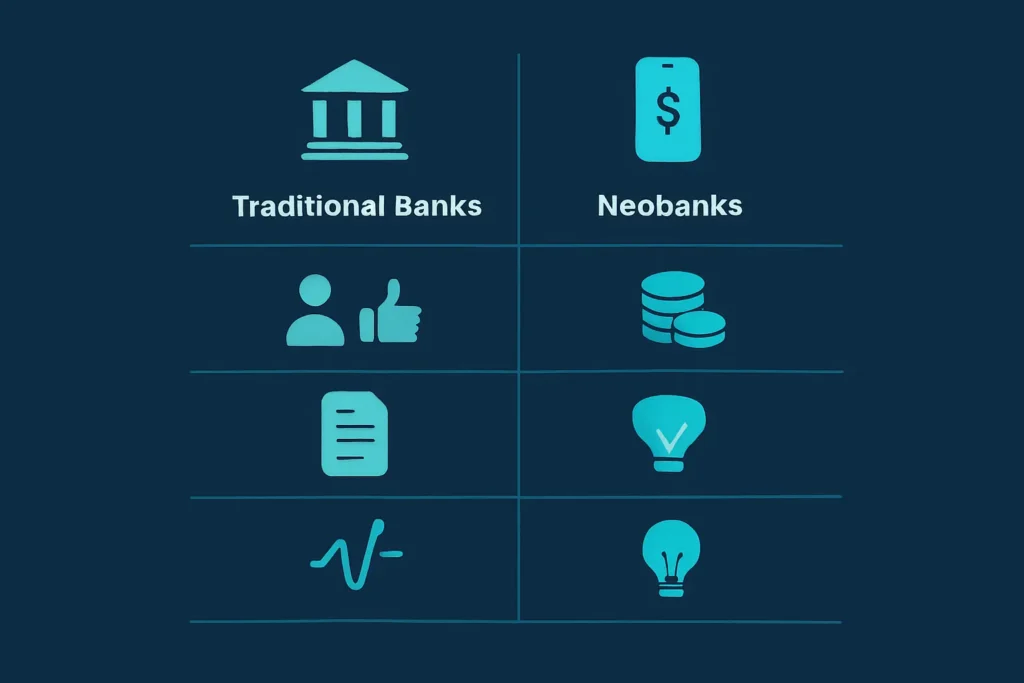
The most immediate and obvious reason for Gen Z’s migration is the stark difference in user experience (UX). Traditional banks, burdened by decades of legacy infrastructure, often struggle to provide the instant, mobile-first experience that Gen Z considers the baseline. Imagine a generation that has never waited more than a second for a video to load or a message to send; they find the multi-day wait for a check to clear or the clunky, desktop-first interface of a legacy bank app to be an anachronism. This is not just about aesthetics; it is about functionality and control.
For a generation that manages nearly every aspect of their lives from education to social connections on a smartphone, the bank must live there too. Neobanks, or digital-only banks, were built from the ground up to meet this need. They offer instant notifications, real-time budgeting tools, and seamless peer-to-peer payments, all within a clean, intuitive interface. This digital fluency means that Gen Z is not just using technology; they are demanding a financial ecosystem that speaks their native language. The friction points of traditional banking, hidden fees, slow transfers, and mandatory branch visits are simply unacceptable in a world defined by instant gratification and transparency. This preference is so strong that 76% of Gen Z consumers prefer mobile banking, with two-thirds using mobile apps as their primary banking method [3]. This overwhelming preference for digital channels is rapidly rendering the physical branch model obsolete for this demographic.
| Feature | Traditional Banks | Neobanks (Digital-Only) | Gen Z Preference |
|---|---|---|---|
| User Experience (UX) | Often clunky, desktop-first, legacy systems | Seamless, mobile-first, intuitive design | High |
| Fees & Costs | Overdraft fees, monthly maintenance fees | Low or no fees, transparent fee structure | High |
| Account Opening | In-person visit, extensive paperwork | Fully digital, minutes to open | High |
| Innovation Cycle | Slow, hampered by legacy infrastructure | Rapid, continuous feature deployment | High |
| Customer Service | Phone trees, branch visits, limited hours | 24/7 in-app chat, AI-driven support | High |
Beyond Convenience: The Quest for Financial and Cultural Alignment
While superior technology is the entry ticket, the deeper reason for the shift is a profound cultural and emotional disconnect. Gen Z grew up in the shadow of the 2008 financial crisis and the subsequent economic uncertainty, inheriting a system they did not build and often distrust. This generation is acutely aware of student debt, economic anxiety, and the volatility of the modern world. Their relationship with money is rooted in skepticism, leading them to prioritize transparency and ethical alignment in their financial partners [4].
Traditional banks often represent the established, opaque institutions that Gen Z feels have failed previous generations. They are looking for financial institutions that reflect their values, such as social responsibility, environmental consciousness, and community support. This is why a significant portion of Gen Z is attracted to neobanks that actively promote ethical investment options, transparent business practices, or even donate a portion of profits to social causes. The concept of “value-based banking” is becoming a powerful differentiator. For Gen Z, a bank is not just a vault for their money; it is a reflection of their identity and their commitment to a better world. This desire for alignment extends to financial education. With 73% of teens expressing a desire for more personal finance education, they are actively seeking partners who can help them navigate their financial future, not just hold their savings [5]. They want tools that are educational, not just transactional, helping them build credit and save effectively.
| Gen Z Financial Priority | Description | Why Traditional Banks Struggle | Neobank Solution |
|---|---|---|---|
| Transparency | Clear, real-time view of all fees and charges. | Hidden fees, complex terms and conditions. | Zero-fee models, instant fee notifications. |
| Ethical Alignment | Support for social and environmental causes. | Investments in industries Gen Z may oppose. | ESG-focused funds, mission-driven banking. |
| Financial Literacy | Tools and guidance to manage debt and build credit. | Focus on selling products, not education. | Gamified learning, credit-building APIs. |
| Personalization | Bespoke products tailored to individual needs. | One-size-fits-all accounts and services. | AI-driven budgeting, customized rewards. |
The Rise of ‘Finetainment’ and Gamified Finance
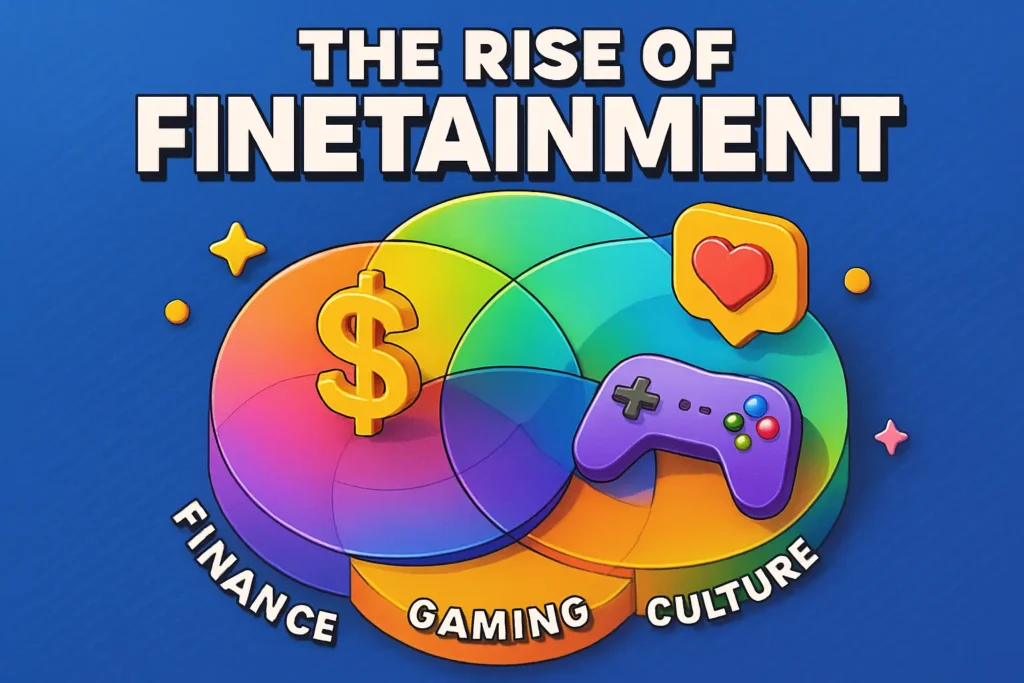
One of the most defining digital banking trends 2026 is the merging of finance with culture and entertainment, a phenomenon often dubbed “Finetainment.” This trend directly addresses Gen Z’s behavioral gap: the largest barrier to financial security for this generation is not a lack of information, but a lack of engagement [4]. Growing up immersed in gaming and social media, Gen Z is highly responsive to gamified loops, instant feedback, and community-driven experiences.
Fintechs are capitalizing on this by transforming mundane financial tasks into engaging activities. This can range from simple progress bars for savings goals to complex, interactive games that teach investment principles. For example, some platforms use gamification APIs to turn saving into a challenge with rewards, tapping into the fact that 65% of Gen Z game for over three hours a day [5]. Furthermore, Gen Z is far more comfortable with non-traditional assets. A striking 56% of Gen Z own cryptocurrency, while 42% do not have a traditional savings account [4]. This indicates a willingness to embrace risk and innovation, viewing finance not as a dry, serious chore, but as a dynamic, cultural activity. They are looking for financial tools that feel less like a spreadsheet and more like a social platform, where they can share progress, compete with friends, and feel a sense of belonging. This cultural fluency is something legacy institutions, with their conservative, risk-averse branding, find nearly impossible to replicate.
| Financial Activity | Traditional Approach | Finetainment Approach | Behavioral Impact |
|---|---|---|---|
| Saving Money | Static savings account, low interest rate. | Progress bars, virtual rewards, savings challenges. | Increases engagement and goal adherence. |
| Investing | Complex brokerage accounts, dense reports. | Micro-investing, fractional shares, social trading. | Lowers barrier to entry, makes it feel accessible. |
| Building Credit | Credit cards with high barriers to entry. | Credit-building APIs, gamified credit score tracking. | Demystifies the process, provides instant feedback. |
| Financial Education | Seminars, dense PDFs, formal advice. | Interactive quizzes, short-form video content, in-app tutorials. | Meets Gen Z where they are (mobile, video-first). |
Anticipatory Banking: The Future of Personalized Finance
The next frontier in digital banking trends 2026 moves beyond simple personalization to anticipatory banking. Personalization is about tailoring a product to a known customer preference; anticipatory banking is about using advanced AI and machine learning to predict a customer’s financial needs before they even realize them. This is the ultimate expression of the seamless, invisible service that Gen Z craves.
One key innovation is the concept of Agentic Banking, where AI agents are empowered to make secure and transparent purchases or financial decisions on a user’s behalf. Imagine an AI that, based on your spending habits and upcoming bills, automatically moves money into a high-yield savings account, pays a utility bill early to secure a discount, or even curates a personalized investment portfolio without you having to lift a finger [5]. This level of proactive service is a game-changer. Another major development is the “One Credential” system, which allows a single digital key to be tied to multiple payment methods debit, credit, installments, and more allowing the user to switch payment methods seamlessly online. This is particularly appealing to Gen Z, who often prefer debit for everyday transactions but need flexible credit options for larger purchases [5]. These innovations are not just technological upgrades; they represent a fundamental shift in the relationship between the bank and the customer, moving from a transactional provider to a proactive, intelligent financial partner.
| Innovation | Description | Gen Z Benefit | Impact on Traditional Banks |
|---|---|---|---|
| Agentic Banking | AI agents execute financial tasks (payments, savings) autonomously and securely. | Effortless money management, reduced cognitive load. | Requires massive investment in AI and data infrastructure. |
| One Credential | Single digital token linked to all payment methods (debit, credit, installments). | Ultimate payment flexibility and simplicity. | Challenges existing siloed product structures. |
| Embedded Finance | Financial services integrated directly into non-financial apps (e.g., a buy-now-pay-later option at a checkout). | Instant access to credit/payments at the point of need. | Threatens the bank’s role as the primary financial intermediary. |
| Real-Time Payouts | Instantaneous transfer of funds, 24/7. | Critical for the gig economy and instant liquidity. | Requires core system modernization and API integration. |
Conclusion: The Wake-Up Call for Legacy Institutions
The shift of Gen Z away from traditional banks is not a temporary fad; it is a permanent reordering of the financial world. The digital banking trends 2026 are clear: the future of finance is mobile, transparent, value-aligned, and deeply engaging. Gen Z is demanding a financial partner that understands their digital-native perspective, their economic anxieties, and their cultural values. They are voting with their feet, choosing fintechs and neobanks that offer superior user experience, ethical alignment, and innovative “Finetainment” models.
For Gen Z, the practical action is to embrace this new landscape thoughtfully. While the allure of instant gratification and gamification is strong, it is crucial to prioritize platforms that offer robust security, clear regulatory compliance, and tools for long-term financial health, such as credit building and high-yield savings. The key is to leverage the best of the new digital tools the budgeting, the instant transfers, the educational content while maintaining a disciplined approach to saving and debt management.
For traditional banks, this is a critical wake-up call. They must move beyond superficial app updates and address the core issues: legacy infrastructure, opaque fee structures, and a lack of cultural relevance. The path forward requires massive investment in AI for anticipatory banking, a complete overhaul of the customer experience, and a genuine commitment to transparency and social values. The financial institutions that survive and thrive in the next decade will be those that stop trying to retrofit old models and instead build a new financial paradigm that is emotionally fluent, culturally aligned, and technologically seamless for the digital-native generation.
Frequently Asked Questions (FAQ)
What is the main reason Gen Z is moving away from traditional banks?
The primary reason is a combination of poor user experience (UX) and a lack of cultural alignment. Traditional banks often have clunky, desktop-first apps and slow processes that don’t meet the expectations of digital natives. Furthermore, Gen Z often distrusts legacy institutions and seeks financial partners that are transparent and align with their social and ethical values. This is a key factor driving the digital banking trends 2026.
What is “Finetainment” and how does it relate to digital banking?
“Finetainment” is the trend of merging finance with culture and entertainment, often through gamification. It involves turning financial tasks like saving and investing into engaging, rewarding activities. This approach is highly effective with Gen Z, who are accustomed to gamified experiences and seek financial tools that are engaging, not just functional.
Are neobanks safer than traditional banks?
In terms of security, most reputable neobanks partner with established, federally insured banks (like those insured by the FDIC in the US). This means that your deposits are typically protected up to the legal limit, just like a traditional bank. However, it is always crucial to verify that any digital banking platform you use is properly regulated and that your deposits are insured.
How can traditional banks compete with the new digital banking trends 2026?
To compete, traditional banks must undertake a fundamental transformation. This includes aggressively modernizing their core technology to enable real-time services, adopting AI for anticipatory and personalized banking, and demonstrating genuine transparency and commitment to social responsibility to bridge the cultural gap with Gen Z.
What is the “One Credential” system?
The “One Credential” system is an emerging innovation that allows a single digital token or key to be linked to all of a user’s payment methods debit, credit, and installment plans. This gives the user ultimate flexibility to choose how they pay at the point of transaction, simplifying their financial life and catering to Gen Z’s preference for seamless, integrated experiences.
Did this article help you understand the forces reshaping the financial world? The conversation around digital banking trends 2026 is just beginning. Tell us in the comments below: What is the single most important feature your bank or neobank could offer you right now? Share your thoughts and join the discussion!
References
[1] eMarketer. (2025). Digital and traditional banks are vying for Gen Z’s business.
[2] Mastercard. (2025). How Gen Z is reshaping digital banking expectations.
[3] YouGov. (2025). Gen Z’s financial behaviors in 2025.
[4] The Financial Brand. (2025). How Gen Z is Turning Money into Culture and Entertainment.
[5] Mastercard. (2025). How Gen Z is inspiring a reinvention of banking. (Note: This is a duplicate of [2] but used for a specific data point).