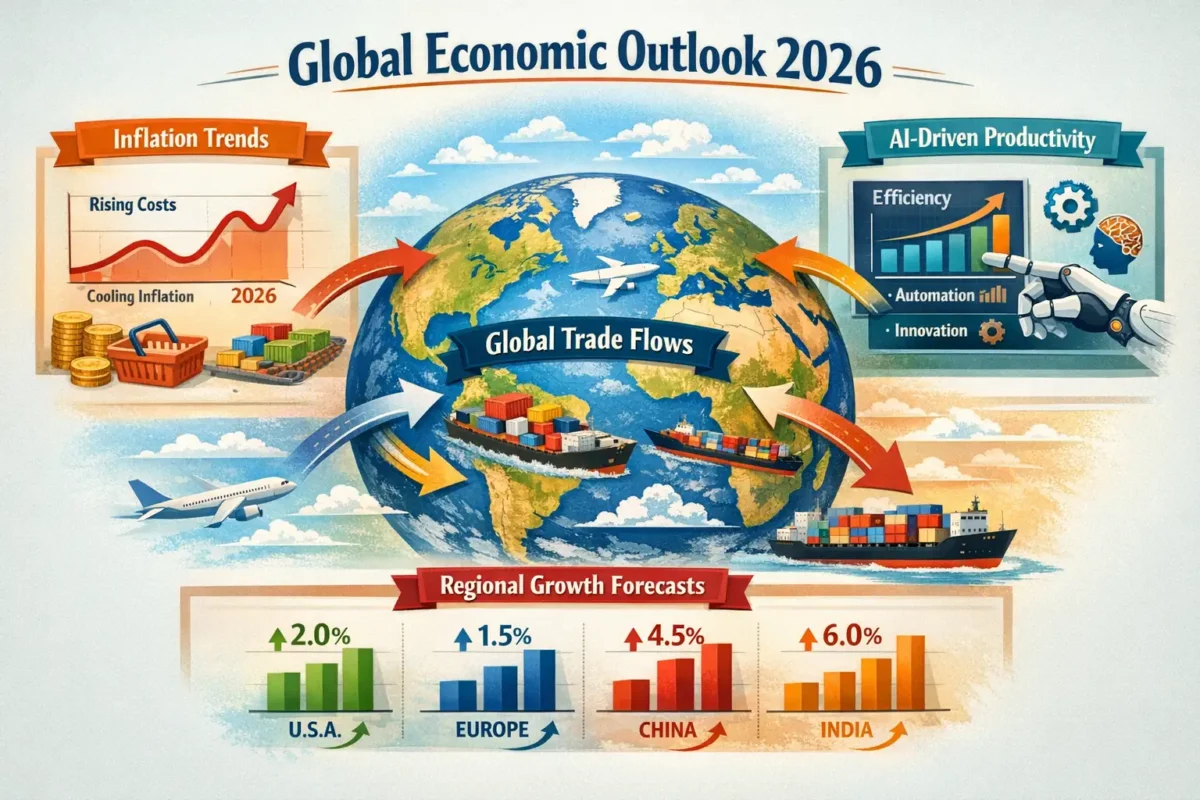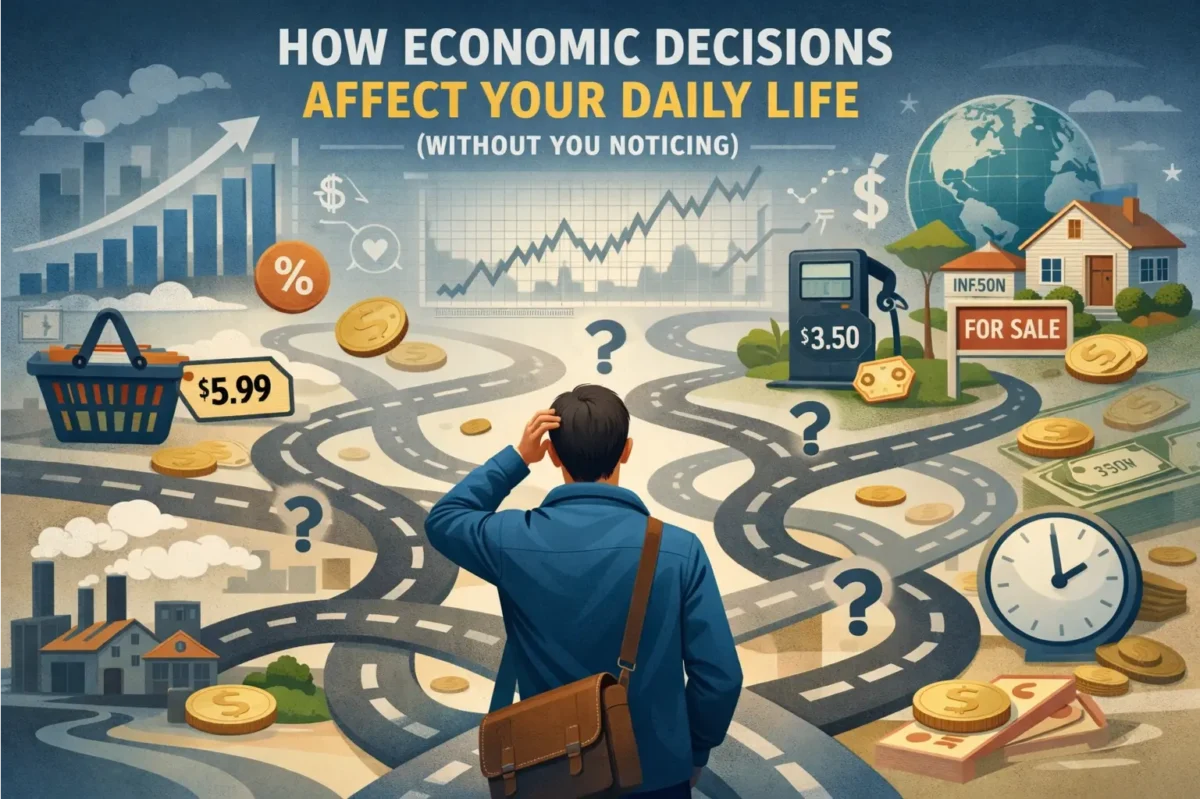
Every single day, from the moment we wake up until we go to bed, our lives are subtly, yet profoundly, shaped by a myriad of economic decisions. These aren’t just the grand pronouncements from central banks or the fluctuating stock market indices; they are the underlying currents that dictate the price of your morning coffee, the availability of your favorite products, and even the interest rate on your mortgage. Often, we navigate these economic landscapes without fully realizing the intricate web of cause and effect. Understanding how economic decisions affect your daily life (without you noticing) is crucial for making informed personal choices and comprehending the broader world around us. This article will delve into the hidden mechanisms through which economic policies, market dynamics, and global events trickle down to impact our individual finances, purchasing power, and overall well-being. We will explore the direct and indirect influences, providing real-world examples and data to illuminate these often-unseen connections, ensuring you gain a clearer perspective on the economic forces at play in your everyday existence.
Table of Contents
The Invisible Hand at Your Grocery Store
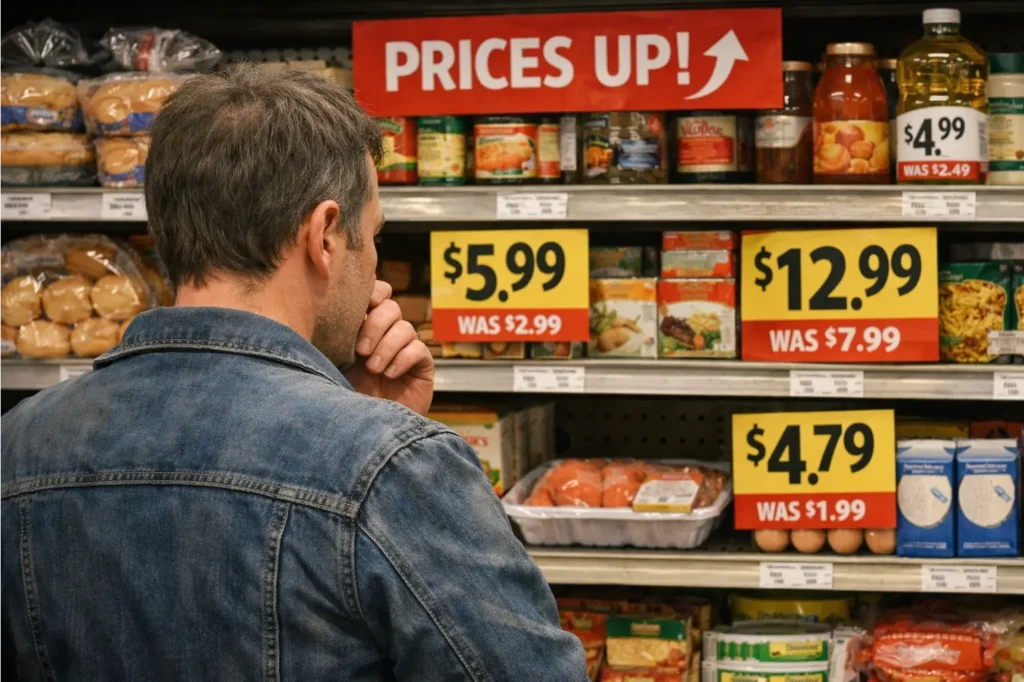
The most immediate and tangible way economic decisions affect our daily lives is through the prices we pay for goods and services, particularly at the grocery store. Inflation, a sustained increase in the general price level of goods and services, is a prime example. When central banks, like the Federal Reserve or the European Central Bank, decide to adjust interest rates, it sends ripples throughout the economy. Lower interest rates can stimulate borrowing and spending, potentially leading to higher demand and, consequently, higher prices. Conversely, higher interest rates aim to curb inflation by making borrowing more expensive, thereby reducing demand. The impact of rising inflation and higher interest rates on household purchasing power has been significant, especially for lower-income households. A report by the Parliamentary Budget Officer (PBO) in Canada noted that since 2022, rising inflation and tighter monetary policy have reduced purchasing power for lower-income households [1]. This is not just an abstract concept; it translates to your grocery bill increasing each month, forcing you to make difficult choices between different products or brands. According to a 2024 report by Statistics Canada, nearly half (45%) of Canadians reported that rising prices were greatly affecting their ability to meet day-to-day expenses [2].
Supply Chain and Global Events
Beyond monetary policy, global events and supply chain disruptions play a critical role. A conflict in a major oil-producing region can increase transportation costs, which are then passed on to the consumer. Similarly, a drought in a key agricultural country can lead to a shortage of a particular commodity, causing its price to skyrocket. These are not just news headlines; they are the reasons why the price of your favorite avocado toast might have doubled in a matter of months. The interconnectedness of the global economy means that a decision made thousands of miles away can have a direct impact on your wallet.
| Economic Factor | Impact on Daily Life | Real-World Example |
|---|---|---|
| Inflation | Increased cost of living | Higher prices for groceries, gas, and housing. |
| Interest Rates | Affects borrowing costs | Higher mortgage payments and credit card interest. |
| Supply Chain | Availability and price of goods | Shortages of certain products and increased prices. |
| Global Events | Volatility in prices | A war or natural disaster can disrupt supply chains. |
The Ripple Effect on Your Savings and Investments
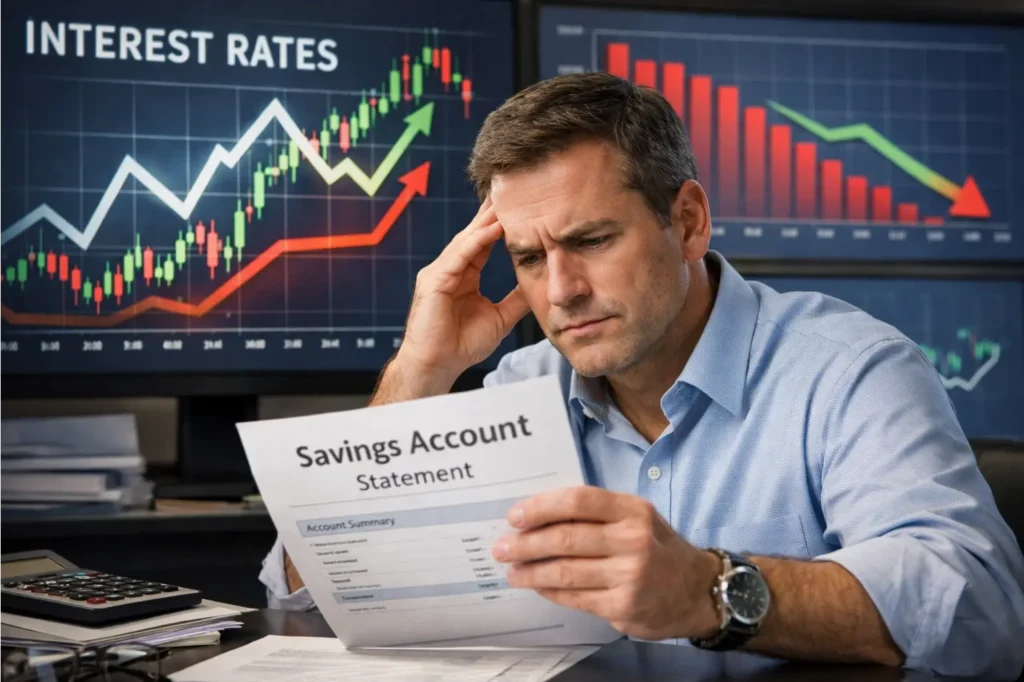
Economic decisions also have a profound, though often less visible, impact on our long-term financial health, particularly our savings and investments. The interest rate set by central banks is a key determinant of the return you earn on your savings accounts and the performance of your investment portfolio. When interest rates are low, the returns on savings accounts are minimal, encouraging people to invest in riskier assets like stocks and real estate in search of higher returns. This can lead to asset bubbles, where the prices of assets become artificially inflated. When these bubbles burst, it can have a devastating impact on the wealth of individuals and the broader economy.
Conversely, when central banks raise interest rates to combat inflation, it can make savings accounts more attractive, but it can also lead to a downturn in the stock market as borrowing becomes more expensive for companies. The International Monetary Fund (IMF) has noted that as inflation recedes, the global economy needs a “policy triple pivot” to navigate the new economic landscape [3]. For individuals, this means that the value of their retirement savings can fluctuate significantly based on the decisions of a handful of policymakers. According to a 2025 Pew Research Center survey, a majority of Americans feel their personal finances are in only fair (40%) or poor (17%) shape, reflecting the anxiety that economic uncertainty can create [4].
[INTERNAL_LINK: How to build a resilient investment portfolio in a volatile market]
Behavioral Economics: The Psychology of Your Financial Choices

Beyond the macroeconomic forces, our daily financial decisions are also heavily influenced by the principles of behavioral economics, which combines insights from psychology and economics to understand why people make the financial decisions they do. Companies and marketers are adept at using these principles to “nudge” us towards certain choices. For example, the way prices are framed can have a significant impact on our purchasing decisions. A product priced at $4.99 feels significantly cheaper than one priced at $5.00, even though the difference is negligible. This is known as the “left-digit effect” and is a powerful tool in the arsenal of retailers.
Another key concept in behavioral economics is loss aversion, which is the idea that people feel the pain of a loss more acutely than the pleasure of an equivalent gain. This is why “free trial” offers are so effective. Once we have a product in our possession, we are more reluctant to give it up, even if we have to pay for it. These are not just clever marketing tricks; they are a reflection of the inherent biases in our decision-making processes. Understanding these biases is the first step towards making more rational and informed financial choices.
| Behavioral Principle | Description | Everyday Example |
|---|---|---|
| Loss Aversion | The pain of losing is psychologically twice as powerful as the pleasure of gaining. | Reluctance to sell a losing stock, hoping it will recover. |
| Framing Effect | Drawing different conclusions from the same information, depending on how it is presented. | A “90% fat-free” label is more appealing than a “10% fat” label. |
| Herd Mentality | The tendency for individuals to follow the actions of a larger group. | Investing in a “hot” stock because everyone else is. |
| Anchoring Bias | Relying too heavily on the first piece of information offered when making decisions. | The initial price quoted for a used car sets the standard for the rest of the negotiation. |
[INTERNAL_LINK: How to avoid common financial biases and make smarter money decisions]
The Future of Work and the Gig Economy
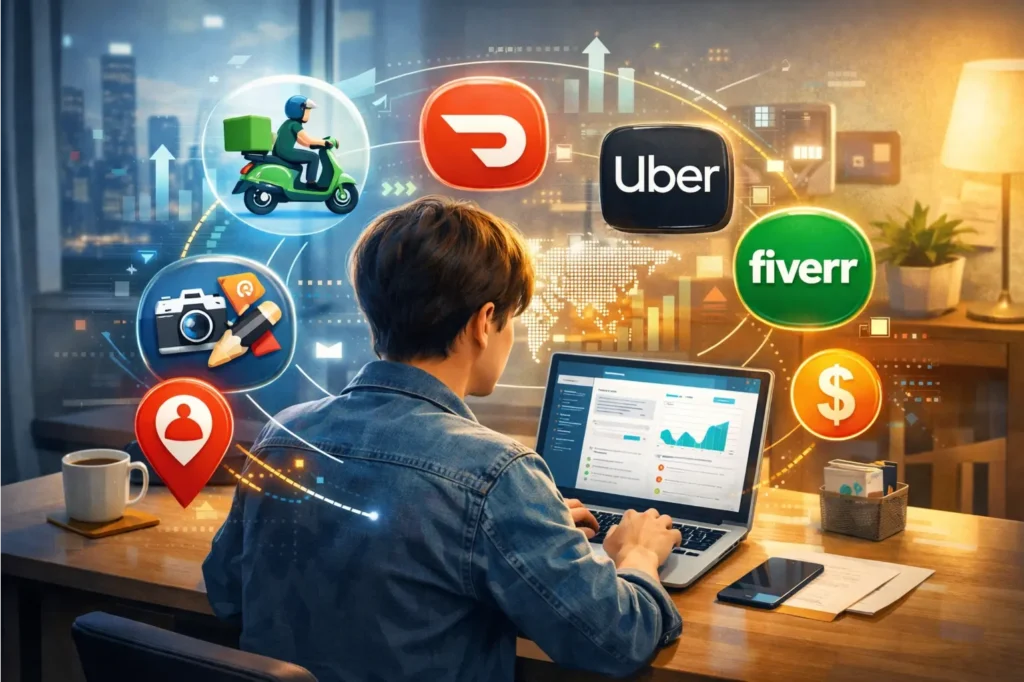
The nature of work itself is being transformed by economic and technological forces. The rise of the gig economy, where people work as independent contractors or freelancers rather than traditional employees, is a prime example. While the gig economy offers flexibility and autonomy, it also comes with a lack of job security, benefits, and a safety net. This shift has profound implications for the financial stability of millions of people.
The World Bank’s Global Findex Database shows that financial inclusion is on the rise, with 40% of adults in developing economies saving in a financial account in 2024, a 16-percentage-point increase since 2021 [5]. However, the rise of the gig economy also presents new challenges for financial inclusion, as gig workers often have irregular incomes and may not have access to traditional financial products. The future of work will require new economic models and social safety nets to ensure that everyone has the opportunity to achieve financial security.
Conclusion: Navigating the Economic Maze
In conclusion, the intricate web of economic decisions, from the grand pronouncements of central banks to the subtle nudges of behavioral economics, has a profound and often unnoticed impact on our daily lives. The price of our groceries, the value of our savings, and even the nature of our work are all shaped by these powerful forces. By understanding how economic decisions affect your daily life, you can become a more informed consumer, a more savvy investor, and a more engaged citizen. The first step is to pay attention, to look beyond the price tag and the interest rate, and to see the underlying economic currents that are shaping your world. The IMF projects that global inflation will decline to 4.5 percent in 2025, offering some relief to households [6]. However, the long-term trend is clear: economic literacy is no longer a luxury, but a necessity for navigating the complexities of the modern world. We encourage you to continue learning about these topics, to ask questions, and to take an active role in your financial future.
FAQ Section
How can I protect my savings from inflation?
To protect your savings from inflation, consider a diversified investment strategy. This could include a mix of stocks, bonds, and real estate, as well as inflation-protected securities. It is also important to have a long-term perspective and not to panic during periods of market volatility. Consulting with a financial advisor can help you create a personalized strategy that meets your specific needs and goals.
What are some simple ways to save money on groceries?
There are several simple ways to save money on groceries. These include planning your meals in advance, making a shopping list and sticking to it, buying in bulk, using coupons, and shopping at discount grocery stores. It is also a good idea to compare prices between different stores and to be mindful of marketing tricks that are designed to encourage impulse purchases.
How can I become more financially literate?
There are many resources available to help you become more financially literate. These include books, podcasts, blogs, and online courses. Many non-profit organizations also offer free financial education workshops and counseling. The key is to be proactive and to make learning about personal finance a lifelong habit.
What is the difference between a traditional job and a gig economy job?
A traditional job typically involves a long-term employment relationship with a single employer, with a regular salary and benefits. A gig economy job, on the other hand, involves working as an independent contractor or freelancer on a project-by-project basis. While gig work offers flexibility, it often lacks the job security and benefits of a traditional job.
How do I know if I am being influenced by behavioral economics?
It can be difficult to know for sure if you are being influenced by behavioral economics, as these nudges are often subtle and subconscious. However, by being aware of the common biases and heuristics that can affect our decision-making, you can become more mindful of your choices. For example, before making a major purchase, take some time to reflect on whether you are being influenced by factors such as framing, anchoring, or loss aversion.
What are your thoughts on how economic decisions affect your daily life? Share your experiences and insights in the comments below. We would love to hear from you!
References
[1] Parliamentary Budget Officer (PBO). (2024, October 8). Impact of rising inflation and higher interest rates on household purchasing power varies by income, says PBO. https://www.pbo-dpb.ca/en/news-releases–communiques-de-presse/impact-of-rising-inflation-and-higher-interest-rates-on-household-purchasing-power-varies-by-income-says-pbo-limpact-de-la-montee-de-linflation-et-des-taux-dinteret-sur-le-pouvoir-dachat-varie-en-fonction-des-revenus-selon-le-dpb
[2] Statistics Canada. (2024, August 15). Nearly half of Canadians report that rising prices are greatly affecting their ability to meet day-to-day expenses. https://www150.statcan.gc.ca/n1/daily-quotidien/240815/dq240815b-eng.htm
[3] International Monetary Fund. (2024, October 22). As Inflation Recedes, Global Economy Needs Policy Triple Pivot. https://www.imf.org/en/blogs/articles/2024/10/22/as-inflation-recedes-global-economy-needs-policy-triple-pivot
[4] Pew Research Center. (2025, May 7). More Americans now say personal finances will be worse a year from now. https://www.pewresearch.org/short-reads/2025/05/07/growing-share-of-us-adults-say-their-personal-finances-will-be-worse-a-year-from-now/
[5] The World Bank. (2025). The Global Findex Database 2025. https://www.worldbank.org/en/publication/globalfindex
[6] International Monetary Fund. (2025). World Economic Outlook, October 2025. https://www.imf.org/en/publications/weo/issues/2025/10/14/world-economic-outlook-october-2025