When you walk into a grocery store in the United States and notice the price of eggs has doubled, or when you check your investment portfolio and see sudden fluctuations in stock values, you’re witnessing the direct impact of government policies on your everyday life. These policies, whether originating from the Federal Reserve, Congress, or regulatory agencies, create ripples that touch everything from the groceries you buy to the returns on your 401(k).
Understanding how government policies affect markets and your daily life isn’t just academic knowledge; it’s practical wisdom that helps you make better financial decisions, protect your wealth, and spot opportunities before they become obvious to everyone else. Whether you’re a professional managing household budgets, an investor building a retirement portfolio, or simply someone trying to make sense of economic news, grasping these connections will help you navigate an increasingly complex financial landscape.
In this comprehensive guide, you’ll learn how different types of government policies, from monetary policy and fiscal spending to regulatory changes and international trade agreements, shape market behavior and influence your personal finances.
We’ll explore real-world examples from recent U.S. history, examine the mechanisms through which these policies work, and most importantly, discover practical strategies you can use to adapt your financial planning in response to policy changes.
Table of Contents
Understanding the Foundation: What Are Government Economic Policies?
Before we can appreciate how government policies affect our daily lives, we need to understand what these policies actually are and why governments implement them. Think of government economic policies as the toolkit that authorities use to steer the economy toward desired outcomes, much like how an engineer uses various tools and techniques to ensure a structure meets safety standards while remaining functional and efficient.
Government economic policies generally fall into three main categories, each serving distinct purposes but often working together to achieve broader economic goals.
Monetary policy involves controlling the money supply and interest rates in an economy. The Federal Reserve, America’s central bank, uses monetary policy to influence inflation, employment levels, and overall economic growth. When you hear about interest rate changes or quantitative easing programs, you’re hearing about monetary policy in action. As former Federal Reserve Chair Janet Yellen once stated, “The Federal Reserve’s monetary policy decisions are guided by our dual mandate from Congress to promote maximum employment and stable prices for the American people.”
Fiscal policy refers to government decisions about taxation and spending. When Congress passes infrastructure bills worth trillions of dollars or adjusts tax rates, these are fiscal policy tools at work. The 2017 Tax Cuts and Jobs Act, which reduced corporate tax rates from 35% to 21% and modified individual tax brackets, represents a significant fiscal policy change that affected every taxpayer and business in the country. According to the Congressional Budget Office, this legislation reduced federal revenues by approximately $1.5 trillion over ten years while aiming to stimulate economic growth.
Regulatory policy encompasses the rules and standards that govern business operations, market behavior, and consumer protection. From building codes that contractors must follow to financial regulations that protect investors, regulatory policies create the framework within which economic activity occurs. The Dodd-Frank Wall Street Reform Act of 2010, implemented after the financial crisis, represents a comprehensive regulatory policy aimed at preventing future financial catastrophes, affecting everything from mortgage lending to investment banking operations.
These three policy categories don’t operate in isolation. A single government objective, such as promoting economic recovery after a recession, might involve all three types of policies working in concert. Understanding this interconnected nature helps explain why policy changes often have cascading effects across multiple sectors of the economy.
The Direct Impact: How Monetary Policy Shapes Your Financial Reality
Monetary policy might sound abstract, but its effects reach directly into your wallet, your mortgage payments, and your investment returns. Let’s explore how this happens through concrete mechanisms that affect your daily financial life.
When the Federal Reserve changes interest rates, it’s essentially adjusting the price of borrowing money throughout the entire economy. Imagine interest rates as a massive lever that, when moved even slightly, shifts the behavior of millions of individuals and businesses simultaneously. The Federal Reserve’s Federal Open Market Committee (FOMC) meets eight times per year to assess economic conditions and adjust the federal funds rate, the interest rate at which banks lend to each other overnight, which then influences rates throughout the economy.
How interest rate changes affect your personal finances becomes clear when we examine specific scenarios. If you have a mortgage with an adjustable rate, an increase in the Fed’s policy rate means your monthly payments will rise, leaving you with less disposable income for other expenses or savings. For someone with a $300,000 mortgage, even a one percent increase in interest rates could add approximately $250 to monthly payments, money that could otherwise go toward children’s education, investments, or emergency savings.
Conversely, higher interest rates benefit savers by increasing returns on deposits and fixed-income investments. A high-yield savings account that yielded 0.5% annually in 2021 might suddenly offer 4.5% or more after the Fed’s aggressive rate increases in 2022-2023, meaningfully improving the growth of your emergency fund or short-term savings. This creates an interesting dynamic: borrowers feel the squeeze while savers enjoy better returns, redistributing financial advantages across different segments of society.
The impact extends beyond direct interest payments to influence asset prices, particularly in real estate and stock markets. Higher interest rates typically reduce property values because potential buyers can afford smaller mortgages with higher borrowing costs, cooling demand. According to the National Association of Realtors, existing home sales dropped approximately 35% from peak 2021 levels to late 2023 as mortgage rates climbed from near 3% to over 7%, demonstrating the powerful effect of monetary policy on housing markets.
Inflation control represents another crucial aspect of monetary policy that touches your daily life every time you shop for groceries or fuel your vehicle. Central banks often raise interest rates specifically to combat rising inflation, the general increase in prices across the economy. By making borrowing more expensive, the Fed reduces the amount of money circulating in the economy, which helps cool down demand and moderate price increases.
For American consumers, inflation became painfully visible in 2021-2022 when prices rose at rates not seen in four decades. The Consumer Price Index peaked at 9.1% year-over-year in June 2022, meaning the average American family needed $9.10 to purchase what cost $100 the previous year. Everything from gasoline and groceries to rent and utilities experienced significant price increases. As Federal Reserve Chair Jerome Powell stated in 2022, “Inflation is far too high, and we understand the hardship it is causing. We’re strongly committed to bringing inflation back down.”
The Fed responded with the most aggressive interest rate hiking cycle since the 1980s, raising the federal funds rate from near zero to over 5.25% in just 16 months. This policy action aimed to cool inflation by reducing demand, though it also risked triggering a recession. By late 2023 and into 2024, inflation had moderated significantly toward the Fed’s 2% target, demonstrating how monetary policy, though sometimes painful in the short term, can address macroeconomic imbalances.
Understanding these monetary policy mechanisms helps you anticipate changes in your financial environment. When you hear news about potential interest rate increases, you can prepare by locking in fixed-rate loans if you’re planning major purchases, or you might increase your allocation to fixed-income investments to benefit from higher yields. This proactive approach transforms abstract policy announcements into concrete financial strategies.
Fiscal Policy in Action: Government Spending and Taxation
While monetary policy works through interest rates and money supply, fiscal policy affects your life through the government’s budget decisions, how much it collects in taxes and how it spends those revenues. These decisions create immediate and visible impacts on employment, infrastructure, business opportunities, and household budgets.
Government infrastructure spending creates particularly visible effects across American communities. When the federal government passes major legislation like the $1.2 trillion Infrastructure Investment and Jobs Act of 2021, these investments generate employment opportunities, boost demand for construction materials and services, and create ripple effects throughout the economy.
This infrastructure package included funding for roads, bridges, public transit, broadband internet, water systems, and electric vehicle charging stations. For professionals in construction, engineering, manufacturing, and related sectors, government infrastructure programs directly determine project pipelines and career prospects. These projects don’t just benefit those directly employed in construction; they support entire supply chains, from steel producers and concrete suppliers to equipment manufacturers and professional services firms.
The multiplier effect of government spending means that each dollar the government invests in infrastructure generates additional economic activity beyond the initial expenditure. When the government builds a new highway, it employs construction workers who spend their wages at local businesses, which in turn employ more workers, creating a positive cycle of economic activity. Economists estimate multiplier effects between 1.5 and 2.5 for infrastructure spending, meaning each dollar of government investment generates substantially more in total economic output.
Taxation policies represent the other side of fiscal policy, determining how much money households and businesses contribute to government revenues. The U.S. tax system includes federal income taxes, payroll taxes for Social Security and Medicare, corporate taxes, and various state and local taxes. Changes to any of these rates directly affect your take-home pay and household budget.
The 2017 Tax Cuts and Jobs Act provides a clear example of how tax policy creates widespread impacts. This legislation nearly doubled the standard deduction (from $6,350 to $12,000 for individuals), reduced individual tax rates across most brackets, eliminated personal exemptions, and capped state and local tax (SALT) deductions at $10,000. For a married couple earning $100,000 annually with two children, these changes typically reduced federal income taxes by several thousand dollars, increasing disposable income for consumption or savings.
However, the policy’s effects varied significantly based on individual circumstances. Families in high-tax states like California, New York, and New Jersey who previously deducted substantial state and local taxes found themselves paying more under the $10,000 SALT cap. According to the Tax Policy Center, approximately 65% of households received tax cuts from the legislation, while about 6% experienced tax increases, with effects concentrated among higher-income households in high-tax states.
Corporate tax changes also affect individuals indirectly through employment, wages, and investment returns. The reduction in corporate tax rates from 35% to 21% aimed to make U.S. companies more competitive globally and encourage domestic investment. Proponents argued this would boost job creation and wage growth, while critics contended the benefits would primarily accrue to shareholders rather than workers. Research from various economic institutions shows mixed results, with some companies increasing capital investment and worker bonuses while others primarily returned cash to shareholders through dividends and stock buybacks.
Government subsidies and support programs represent another fiscal policy tool that directly affects household budgets. Programs like the Earned Income Tax Credit (EITC), Child Tax Credit, Supplemental Nutrition Assistance Program (SNAP), and subsidies under the Affordable Care Act provide financial support to millions of Americans. Changes to these programs create immediate impacts on family finances.
The expanded Child Tax Credit implemented temporarily in 2021 provides an instructive example. This policy increased the credit from $2,000 to up to $3,600 per child under age 6 and $3,000 per child ages 6-17, while making it fully refundable and providing monthly advance payments rather than annual tax refunds. According to the U.S. Census Bureau, this policy helped reduce child poverty by approximately 30% during its implementation period. When the expanded credit expired at the end of 2021, families immediately felt the financial impact, demonstrating how fiscal policy changes directly affect household budgets and economic security.
Understanding fiscal policy helps you anticipate changes in your tax liability, identify opportunities created by government spending priorities, and plan major financial decisions around policy changes. If Congress is debating tax legislation, understanding potential changes allows you to time income recognition, charitable contributions, or major purchases to optimize your tax situation within legal frameworks.
Regulatory Policies: The Rules That Shape Market Behavior
While monetary and fiscal policies often grab headlines, regulatory policies create the fundamental framework within which economic activity occurs. These policies might seem less dramatic, but they profoundly affect market efficiency, consumer protection, and business operations in ways that touch your daily life constantly.
Financial market regulations protect investors and maintain market integrity, directly affecting anyone with savings, investments, or retirement accounts. Securities regulations require companies to disclose financial information accurately and prohibit insider trading, helping ensure that all investors have access to relevant information. When these regulations work effectively, they build confidence in markets, encouraging investment and capital formation that drives economic growth.
The Securities and Exchange Commission (SEC) serves as the primary regulator of U.S. financial markets, establishing rules for public companies, investment funds, and market intermediaries. These regulations affect your investment options, the information available to guide investment decisions, and the protections you enjoy as an investor. When you invest in stocks, bonds, or mutual funds, SEC regulations provide assurance that companies have met disclosure requirements and that market manipulation is prohibited and monitored.
The aftermath of the 2008 financial crisis prompted significant regulatory reforms through the Dodd-Frank Act, which established new rules for banks, created the Consumer Financial Protection Bureau (CFPB), and implemented provisions to prevent future financial catastrophes. As former President Barack Obama stated when signing the legislation, “These reforms represent the strongest consumer financial protections in history.”
Consumer protection regulations affect countless daily transactions, from the terms of your credit card agreement to your rights when returning defective products. These regulations establish minimum standards for product safety, truthful advertising, and fair business practices. While you might not think about these regulations consciously, their absence would be immediately apparent through inferior products, misleading marketing, and difficulty resolving disputes with businesses.
The Consumer Financial Protection Bureau, created in 2010, focuses specifically on protecting consumers in financial transactions. The bureau regulates mortgages, credit cards, student loans, and other financial products, establishing rules that limit predatory practices and ensure transparency. For example, CFPB regulations require clear disclosure of credit card terms, prohibit certain deceptive practices, and provide consumers with pathways to resolve disputes. These protections save American consumers billions of dollars annually in fees and interest charges by promoting competition and preventing exploitation.
Environmental and safety regulations affect product quality, workplace conditions, and long-term sustainability. The Environmental Protection Agency (EPA) sets standards for air and water quality, regulates hazardous waste disposal, and enforces environmental protection laws. While these regulations create compliance costs for businesses, they deliver substantial public benefits through cleaner air and water, reduced health problems, and environmental preservation.
Consider automobile emissions standards, which have progressively tightened over decades. These regulations increased vehicle costs by requiring catalytic converters, fuel injection systems, and other emission control technologies. However, they also delivered dramatic improvements in air quality, particularly in major cities. According to EPA data, despite substantial growth in vehicle miles traveled, aggregate emissions of key pollutants have declined by 70-90% since 1970, preventing hundreds of thousands of premature deaths and millions of cases of respiratory illness.
Occupational Safety and Health Administration (OSHA) regulations protect worker safety across industries. These standards reduce workplace injuries, illnesses, and fatalities, directly benefiting workers while also reducing costs for employers through lower workers’ compensation claims and decreased absenteeism. Since OSHA’s creation in 1970, workplace fatality rates have decreased by more than 65%, demonstrating how regulatory policy can improve outcomes through establishing and enforcing safety standards.
Understanding regulatory policies helps you navigate compliance requirements if you run a business, recognize your rights as a consumer or investor, and anticipate how regulatory changes might affect markets or industries. When government agencies announce new regulations, whether environmental standards, financial disclosure requirements, or consumer protection rules, these changes create both challenges and opportunities that astute individuals can identify and address proactively.
International Trade Policies: Global Connections, Local Effects
In our interconnected global economy, international trade policies create effects that ripple across borders, influencing prices, employment, and business opportunities in seemingly distant markets. For Americans, whose economy represents the world’s largest consumer market and a major trading nation, understanding these international policy dimensions proves particularly relevant.
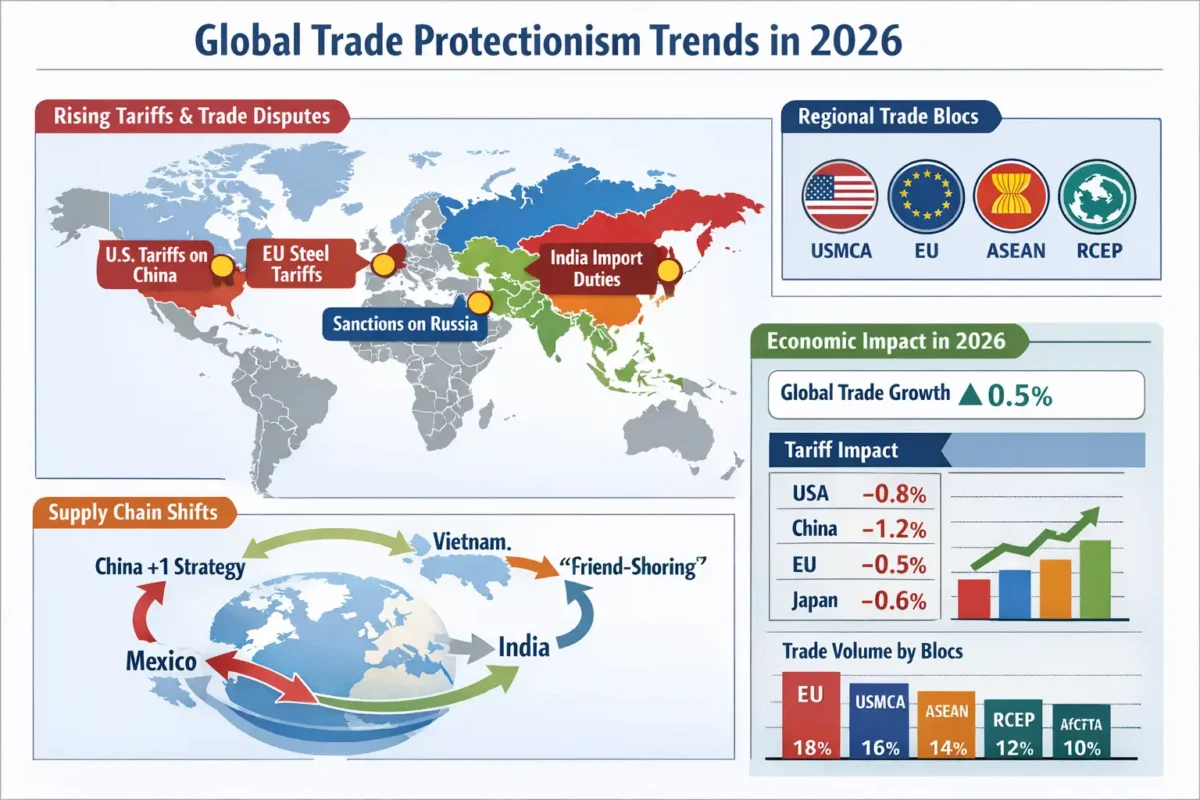
Tariffs and trade agreements represent the most direct tools governments use to shape international commerce. When the U.S. government imposes tariffs on imported goods, it makes those products more expensive for domestic consumers and businesses, protecting American industries from foreign competition but raising costs for buyers. Conversely, free trade agreements eliminate or reduce tariffs between participating countries, lowering prices and expanding market access for businesses.
The United States-Mexico-Canada Agreement (USMCA), which replaced NAFTA in 2020, exemplifies how trade agreements affect American consumers and businesses. This agreement eliminates tariffs on most goods traded between the three countries, making imports from Mexico and Canada cheaper for American consumers while providing tariff-free access to those markets for U.S. exporters. According to the U.S. International Trade Commission, USMCA was estimated to add approximately $68 billion to U.S. GDP and create 176,000 jobs over six years, though actual outcomes depend on various economic factors.
Trade tensions and tariff wars create uncertainty that affects markets and investment decisions. The U.S.-China trade disputes that escalated in 2018-2019 disrupted global supply chains, increased costs for businesses dependent on Chinese imports, and created significant volatility in stock markets. The Trump administration imposed tariffs on hundreds of billions of dollars of Chinese imports, arguing this would protect American manufacturing and reduce the trade deficit. China retaliated with tariffs on American exports, particularly affecting agricultural products.
Even if you don’t directly import goods from China, these trade policies affected your daily life. Tariffs on Chinese-made goods increased prices for electronics, clothing, furniture, and countless other products that Americans purchase regularly. A study by economists at the Federal Reserve Bank of New York, Princeton University, and Columbia University estimated that the 2018-2019 tariffs cost the typical American household approximately $831 annually through higher prices and reduced product variety.
American farmers experienced particularly severe impacts from retaliatory Chinese tariffs on agricultural exports. Soybean farmers saw export values plummet as China, previously the largest market for U.S. soybeans, redirected purchases to Brazil and other suppliers. As agricultural economist Chad Hart noted, “The trade war hit farmers harder than the farm crisis of the 1980s in terms of how quickly income fell.” The federal government implemented approximately $28 billion in aid payments to farmers affected by trade disruptions, representing fiscal policy intervention to cushion the impact of trade policy changes.
Currency policies and dollar strength represent another international dimension that affects American consumers and businesses. When the U.S. dollar strengthens relative to other currencies, imports become cheaper for American consumers, beneficial for those purchasing foreign-made goods, but U.S. exports become more expensive for foreign buyers, potentially hurting American manufacturers and farmers who sell abroad. Conversely, a weaker dollar makes imports more expensive but helps exporters by making their products more competitive internationally.
For Americans traveling abroad, dollar strength directly affects purchasing power. When the dollar strengthens against the euro, your vacation budget stretches further in Europe; when it weakens, international travel becomes more expensive. Similarly, American companies with foreign operations experience currency effects on their earnings, which then affects stock prices and investment returns.
The interconnected nature of global trade means that policies implemented in Washington or Beijing can affect prices at your local store, job prospects in your industry, and returns on your investments. Following international trade developments helps you anticipate changes in product availability and pricing, understand pressures on industries where you might work or invest, and recognize opportunities created by shifting trade patterns.
Real-World Case Studies: Policy Changes and Market Responses
Examining specific examples of how government policies have affected markets and daily life helps transform abstract concepts into concrete understanding. Let’s explore several significant policy changes and their observable impacts to illustrate these dynamics.
The COVID-19 pandemic policy response provides a dramatic example of how government policies can massively influence economic outcomes. When the pandemic forced widespread business closures in March 2020, unemployment skyrocketed to 14.7%, the highest rate since the Great Depression. The government responded with unprecedented fiscal and monetary policy interventions.
The CARES Act, passed in March 2020, provided approximately $2.2 trillion in economic relief, including direct stimulus payments of $1,200 per adult, expanded unemployment benefits providing an additional $600 weekly, and the Paycheck Protection Program (PPP) offering forgivable loans to small businesses that maintained employees. Subsequent legislation added trillions more in relief over the following year. As Senator Mitch McConnell stated, “This is not even a stimulus package. It’s emergency relief, emergency relief. That’s what this is.”
These fiscal interventions, combined with Federal Reserve actions including slashing interest rates to zero and implementing massive bond-purchasing programs, prevented an even deeper economic catastrophe. Unemployment fell rapidly from its peak, and many households actually emerged from 2020 with higher savings than before the pandemic due to stimulus payments combined with reduced spending opportunities during lockdowns.
However, these policies also contributed to subsequent inflation. The massive increase in money supply combined with supply chain disruptions and pent-up demand as the economy reopened created significant inflationary pressure. By 2022, as discussed earlier, inflation reached 9.1%, forcing the Fed to rapidly reverse its accommodative policies. This episode demonstrates how policy responses to crises can successfully address immediate problems while creating new challenges that require subsequent policy adjustments.
The 2022-2023 interest rate hiking cycle provides another instructive example. Following years of near-zero interest rates, the Federal Reserve began aggressively raising rates in March 2022 to combat inflation. The Fed raised the federal funds rate from 0-0.25% to 5.25-5.5% in just 16 months, the fastest tightening cycle in decades and the highest rates since 2001.
American households experienced these policy changes through multiple channels. Mortgage rates jumped from around 3% in late 2021 to over 7% by late 2022, dramatically reducing housing affordability. The monthly payment on a $300,000 mortgage increased by approximately $750 due to rate increases alone, pricing many prospective buyers out of the market. Existing homeowners with fixed-rate mortgages were insulated from direct payment increases but saw their home equity values decline as higher rates cooled the housing market.
Credit card interest rates, which are typically variable and track policy rates, also increased substantially. The average credit card APR rose from around 16% in early 2022 to over 20% by late 2023, increasing debt service costs for the approximately 45% of American households that carry credit card balances month to month. According to Federal Reserve data, this added billions in annual interest charges for consumers.
However, savers enjoyed substantial improvements in returns. High-yield savings accounts that paid 0.5% or less in 2021 offered 4-5% by 2023, providing meaningful real returns for the first time in over a decade. Money market funds, Treasury bills, and certificates of deposit all offered attractive yields, rewarding savers and retirees who relied on interest income.
Stock markets experienced significant volatility and declines in 2022 as investors adjusted to the new interest rate environment. The S&P 500 fell approximately 18% for the year, its worst annual performance since 2008, as higher discount rates reduced the present value of future corporate earnings. Technology stocks, which had soared during the pandemic, experienced particularly severe declines, with the Nasdaq Composite falling approximately 33% in 2022.
By 2024, inflation had moderated substantially, falling to around 3% and approaching the Fed’s 2% target. The economy avoided the recession many economists had predicted, demonstrating that monetary policy tightening, while painful, can successfully address inflation without necessarily causing severe economic contractions. This example illustrates how policy changes create different effects for different groups and how understanding these dynamics helps individuals adapt their financial strategies.
The Inflation Reduction Act of 2022 represents a significant fiscal policy initiative combining climate investment, healthcare provisions, and tax changes. Despite its name, criticized by some as misleading since the legislation’s near-term inflation impact was limited, the act included approximately $400 billion in spending and tax credits over ten years, primarily focused on clean energy investments and healthcare cost reductions.
For consumers, the legislation’s most direct impacts include:
- Electric vehicle tax credits up to $7,500 for new EVs and $4,000 for used EVs meeting specified criteria, making electric vehicles more affordable for qualifying buyers
- Home energy efficiency tax credits covering up to 30% of costs for solar panels, heat pumps, and other qualifying improvements, potentially saving homeowners thousands on energy upgrades
- Medicare prescription drug price negotiations and out-of-pocket cost caps, reducing healthcare expenses for seniors
- Enhanced health insurance subsidies under the Affordable Care Act, lowering premiums for millions of Americans
For someone considering purchasing an electric vehicle or making home energy improvements, these tax credits substantially affect the financial calculus. A $40,000 electric vehicle effectively costs $32,500 after the $7,500 credit, while $20,000 in solar panel installation costs only $14,000 after the 30% credit. These incentives aim to accelerate adoption of clean energy technologies by making them more financially attractive to consumers.
The legislation also includes corporate tax provisions, including a 15% minimum tax on corporations with over $1 billion in profits and a 1% excise tax on stock buybacks. These provisions aim to ensure large profitable corporations pay minimum tax levels while raising revenue to offset the legislation’s spending. The impacts on corporate behavior, investment decisions, and ultimately employment and wages will become clearer over time.
These case studies illustrate several important principles about how government policies affect markets and daily life. First, policies often respond to changing economic conditions rather than operating in a vacuum. Second, policy effects distribute unevenly across different groups, creating winners and losers. Third, understanding policy changes helps you anticipate effects and adjust your financial strategies accordingly. Finally, policies frequently involve tradeoffs between competing objectives, requiring balanced implementation that considers multiple stakeholder interests.
Practical Strategies: Adapting Your Finances to Policy Changes
Understanding how government policies affect markets provides valuable knowledge, but the real benefit comes from applying this understanding to improve your financial decision-making. Let’s explore practical strategies you can use to adapt your personal finances and investment approach in response to policy changes.
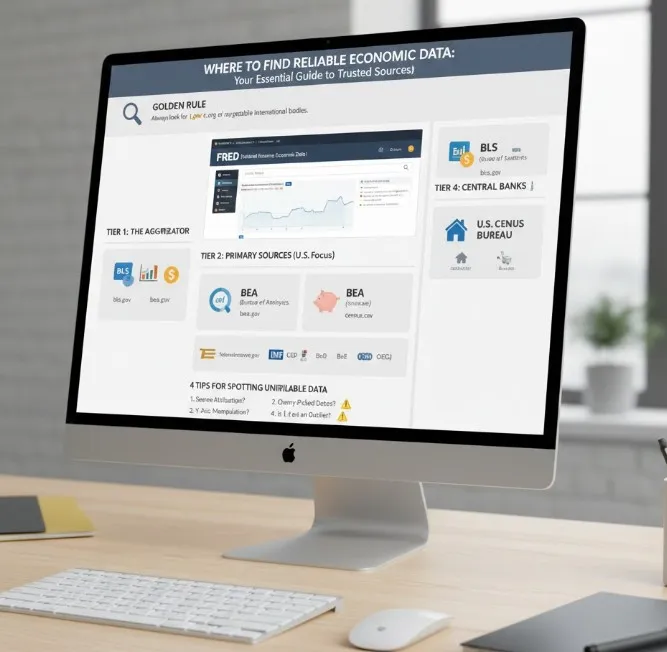
Monitoring policy announcements and economic indicators represents the foundational step in policy-aware financial planning. You don’t need to become an economist or spend hours daily following news, but developing awareness of major policy trends helps you anticipate changes that might affect your finances. Key sources include Federal Reserve announcements about interest rate decisions, Congressional budget presentations and major legislation, and regulatory updates from agencies like the SEC, CFPB, and EPA.
For American households, monitoring Federal Reserve communications proves particularly valuable. The Fed publishes detailed statements after each FOMC meeting explaining its policy decisions and economic outlook. The Fed Chair’s press conferences and Congressional testimony provide additional insight into policymakers’ thinking. Reading or watching these communications, or at least following media summaries, helps you understand the likely direction of interest rates over coming months.
Economic indicators like inflation rates (Consumer Price Index), employment figures (monthly jobs reports), and GDP growth provide context for understanding policy decisions. The Fed raises interest rates when inflation rises above target levels, so elevated inflation readings often signal potential rate increases ahead. Similarly, weak economic growth might prompt fiscal stimulus or monetary easing. Developing basic literacy in reading these indicators transforms policy announcements from mysterious technical events into understandable responses to observable economic conditions.
Useful resources include:
- Federal Reserve website (federalreserve.gov): Policy statements, economic data, and educational resources
- Congressional Budget Office (cbo.gov): Analysis of fiscal policy and budget projections
- Bureau of Labor Statistics (bls.gov): Employment, inflation, and wage data
- Financial media outlets: Wall Street Journal, Bloomberg, CNBC, Financial Times for policy coverage and analysis
Adjusting your debt and savings strategy based on interest rate expectations can deliver tangible financial benefits. When interest rates appear likely to increase, several strategies become relevant:
- Refinance existing variable-rate debt to fixed rates before increases take effect. If you have an adjustable-rate mortgage, home equity line of credit, or variable-rate student loans, locking in fixed rates protects you from payment increases.
- Accelerate major purchases requiring financing if you’re planning them anyway. Buying a home or vehicle before rate increases can save thousands in total interest costs.
- Maintain savings flexibility by avoiding long-term fixed deposits that lock in current low rates. Keep funds in high-yield savings accounts or short-term instruments that allow you to capture higher rates as they rise.
- Pay down high-interest debt aggressively since credit card rates will increase with policy rate hikes, making existing balances even more expensive.
When interest rates seem likely to decline, opposite strategies apply:
- Consider variable-rate debt if you expect rates to fall, allowing your borrowing costs to decrease automatically
- Lock in current yields on savings and bonds before rates decline. Purchasing longer-term CDs or Treasury bonds preserves current yields even as rates fall later.
- Refinance fixed-rate debt after rates decline to reduce your borrowing costs
The 2022-2023 rate hiking cycle provided clear examples of these strategies in action. Homeowners who refinanced mortgages to fixed rates in 2020-2021 when rates were near historic lows locked in payments around 3%, saving substantially compared to the 7%+ rates available by late 2022. Conversely, those who kept savings in traditional bank accounts earning 0.1% rather than moving to high-yield accounts or Treasury bills as rates rose missed out on significant returns.
Diversifying investments across policy scenarios helps protect your portfolio against unexpected policy changes and their market effects. Different asset classes respond differently to policy changes, so maintaining appropriate diversification reduces vulnerability to any single policy outcome:
- Stocks generally benefit from economic growth and moderate inflation but suffer when interest rates rise sharply or recession threatens
- Bonds provide income and stability but lose value when interest rates increase (though you still receive promised payments if held to maturity)
- Real estate offers inflation protection and rental income but becomes less attractive when mortgage rates rise, affecting property values
- Commodities and inflation-protected securities provide protection against inflation, gaining value when inflation rises
- Cash and short-term instruments preserve capital and provide flexibility to capitalize on opportunities as markets adjust to policy changes
For someone building a diversified portfolio, this might mean maintaining exposure to multiple asset classes rather than concentrating entirely in one area. A balanced approach might include stocks for growth potential, bonds for stability and income, some real estate exposure (through REITs or direct ownership), and adequate cash reserves for emergencies and opportunities.
Tax planning around fiscal policy changes can save substantial amounts. When tax legislation appears likely, strategic timing of income and deductions can optimize your tax situation:
- Accelerate or defer income depending on expected rate changes. If tax rates are rising, recognizing income before the increase takes effect saves taxes. If rates are falling, deferring income to future years at lower rates reduces total taxes.
- Time capital gains realization strategically based on rate expectations and your income level. Long-term capital gains rates remain preferential, but timing matters.
- Maximize retirement contributions which provide current tax deductions while building long-term wealth. Policy changes sometimes modify contribution limits or eligibility, so understand current rules.
- Consider Roth conversions during years when you’re in lower tax brackets or when future rate increases seem likely. Converting traditional IRA funds to Roth IRAs requires paying taxes now but eliminates future tax obligations.
The 2017 tax law changes created planning opportunities for those who understood the implications. Taxpayers in high-tax states who would be affected by the SALT deduction cap accelerated property tax payments in December 2017 to claim deductions under old rules. Business owners structured operations to benefit from the new pass-through deduction. Understanding policy changes before they take effect creates opportunities for strategic action.
Building financial resilience against policy uncertainty represents perhaps the most important long-term strategy. Policy changes create uncertainty, but building a strong financial foundation helps you weather various scenarios:
- Maintain adequate emergency funds (3-6 months of expenses) in liquid accounts, providing a buffer against job loss, unexpected expenses, or investment losses during policy-driven market volatility
- Avoid excessive leverage that makes you vulnerable to interest rate increases or economic downturns. Manageable debt levels preserve financial flexibility.
- Invest consistently for long-term goals rather than trying to perfectly time markets around policy changes. Regular contributions to retirement accounts through various market conditions (dollar-cost averaging) reduces timing risk.
- Continuously develop valuable skills that make you resilient to labor market changes. Economic restructuring driven by policy changes (like clean energy initiatives or automation) affects employment, but adaptable workers with in-demand skills remain valuable.
- Stay informed without becoming paralyzed by news. Understanding policy trends helps you make better decisions, but don’t let policy uncertainty prevent taking necessary financial actions.
Financial advisor and author Ric Edelman advises, “The best investment strategy is one you can stick with through various market environments. Policy changes will come and go, but your long-term financial success depends on consistent, disciplined behavior aligned with your goals.”
The Future Landscape: Emerging Policy Trends to Watch
While we can’t predict specific future policies with certainty, understanding current trends and likely future challenges helps you anticipate potential policy changes and their effects on markets and daily life. Several significant policy areas deserve attention as they develop over coming years.
Climate and energy policy will increasingly affect investments, employment, and daily costs. The transition toward renewable energy, electric vehicles, and reduced carbon emissions represents a massive structural change in the economy, driven partly by policy incentives and regulations. The Inflation Reduction Act’s clean energy provisions signal continued policy support for this transition, likely expanding over time as climate concerns intensify.
For individuals, this suggests several implications. Electric vehicle adoption will accelerate with continued policy support, affecting not just automakers but the entire transportation ecosystem including charging infrastructure, electricity grids, and petroleum industries. Employment will shift toward clean energy sectors and away from fossil fuel industries, creating opportunities in some areas while challenging workers in others. Home energy costs and efficiency will increasingly matter as electricity becomes more central to heating, cooling, and transportation.
Investment implications include growing opportunities in renewable energy companies, battery technology, electric vehicle manufacturers, and related infrastructure, alongside potential challenges for traditional energy companies that don’t successfully adapt. Understanding these policy-driven trends helps you position investments and career development accordingly.
Healthcare policy remains perpetually debated, with proposals ranging from incremental reforms to fundamental restructuring. Recent policies like the Inflation Reduction Act’s Medicare prescription drug provisions signal ongoing efforts to control healthcare costs, likely continuing with additional price regulation, transparency requirements, and potentially expanded coverage programs.
Healthcare represents nearly 18% of U.S. GDP and affects every household’s finances through insurance premiums, out-of-pocket costs, and taxes that fund Medicare and Medicaid. Policy changes in this area create significant financial impacts. Understanding proposed healthcare reforms helps you anticipate changes in insurance costs, coverage options, and potential tax implications while making informed decisions about health savings accounts, insurance coverage, and retirement healthcare planning.
Digital asset regulation is emerging as governments worldwide grapple with how to regulate cryptocurrencies, decentralized finance, and digital assets. The U.S. approach remains somewhat unclear, with various regulatory agencies asserting jurisdiction and Congress debating comprehensive legislation. Future policy will likely bring greater clarity, potentially including:
- Securities regulation determining which digital assets qualify as securities subject to SEC oversight
- Consumer protection requirements for cryptocurrency exchanges and wallet providers
- Tax reporting and enforcement mechanisms addressing cryptocurrency transactions
- Possible central bank digital currency (CBDC) development competing with private cryptocurrencies
These policy developments will affect anyone holding or considering investing in digital assets, potentially creating both restrictions and legitimacy that influences adoption and valuation.
Debt and deficit policy represents a growing concern as federal debt reaches historically high levels relative to GDP. Interest payments on federal debt have grown substantially, particularly as interest rates increased in 2022-2023, consuming a larger portion of the federal budget. This creates pressure for future policy changes addressing the debt trajectory through some combination of spending reductions, tax increases, or potentially concerning outcomes like inflation or financial crisis if left unaddressed.
Understanding this debt dynamic helps you anticipate potential future policy changes including tax increases (possibly on upper-income households), spending reforms to major programs like Social Security and Medicare, or continued high deficits with associated economic risks. These potential changes affect retirement planning, tax planning, and investment strategies over long time horizons.
Key Takeaways and Practical Action Steps
Government policies profoundly affect markets and your daily life through multiple interconnected mechanisms. From the interest rates on your mortgage and savings accounts to the prices you pay at grocery stores and gas pumps, from your employment prospects and wage growth to the returns on your retirement investments, policy decisions create effects that ripple through the economy and touch virtually every aspect of your financial life.
Core principles to remember:
- Monetary policy operates primarily through interest rates, affecting borrowing costs, savings returns, asset prices, and inflation
- Fiscal policy works through government spending and taxation, directly affecting your tax burden, government services, infrastructure quality, and overall economic demand
- Regulatory policy establishes the rules governing market behavior, consumer protection, workplace safety, and environmental quality, creating costs but also delivering substantial benefits
- Trade policy influences prices through tariffs and market access, affecting what you pay for goods while impacting employment in export-dependent and import-competing industries
- Policy effects distribute unevenly, creating winners and losers across different groups, with impacts varying based on individual circumstances
Practical actions you can take:
- Develop policy awareness by following major announcements from the Federal Reserve, Congress, and regulatory agencies without becoming obsessed with daily news cycles
- Adjust debt and savings strategies based on interest rate trends, refinancing when beneficial and maintaining flexibility to capture better yields as rates change
- Maintain portfolio diversification across different asset classes that respond differently to policy changes, reducing vulnerability to any single policy outcome
- Engage in strategic tax planning around fiscal policy changes, timing income and deductions to optimize your tax situation within legal frameworks
- Build financial resilience through adequate emergency funds, manageable debt levels, consistent long-term investing, and continuous skill development
- Stay informed about emerging policy trends in areas like climate, healthcare, digital assets, and fiscal sustainability that will shape long-term economic conditions
- Advocate for policies that align with your values and interests by voting, contacting representatives, and participating in public discourse about policy decisions
As economist John Maynard Keynes noted, “The ideas of economists and political philosophers, both when they are right and when they are wrong, are more powerful than is commonly understood. Indeed, the world is ruled by little else.” Understanding how government policies affect markets and your daily life empowers you to navigate this policy-driven environment more effectively, protecting your financial security while capitalizing on opportunities created by economic change.
The intersection of government policy and personal finance isn’t just abstract economics; it’s the practical reality that shapes your financial outcomes every day. By developing awareness of these connections and adapting your financial strategies accordingly, you transform from a passive recipient of policy effects into an active participant who can anticipate changes, adjust strategically, and build lasting financial security regardless of the policy environment.
Sources:
- Federal Reserve – Monetary Policy
- U.S. Bureau of Labor Statistics – Consumer Price Index
- Congressional Budget Office – Budget and Economic Outlook
- U.S. Securities and Exchange Commission – Investor Information
- Tax Policy Center – Tax Facts and Figures
- National Association of Realtors – Housing Statistics
- Federal Reserve Bank of New York – Research and Data
- Consumer Financial Protection Bureau
- U.S. Census Bureau – Income and Poverty
- International Monetary Fund – World Economic Outlook